UK
UK Ireland
 Scotland
 London

Chelmsford City Council's Planning Committee has endorsed the final outline planning application for Chelmsford Garden Community, a key step forward for the flagship development.
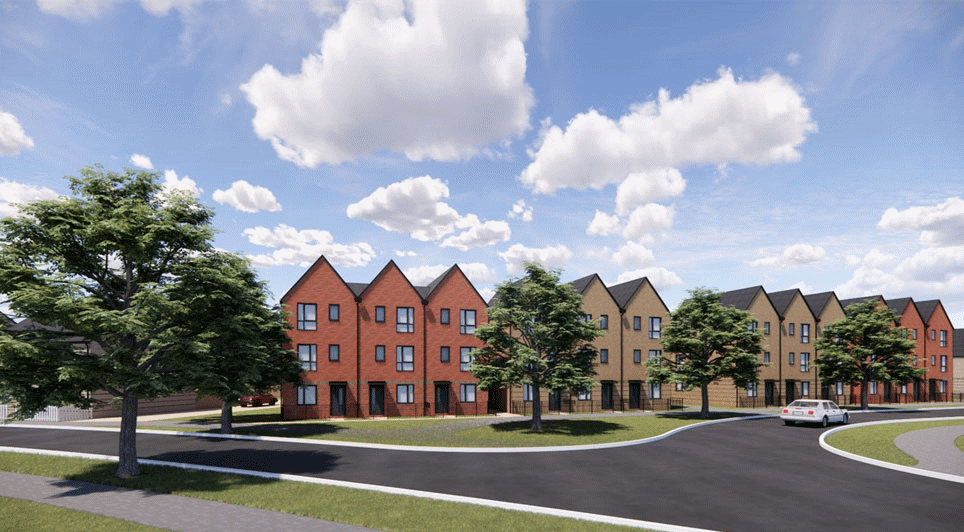
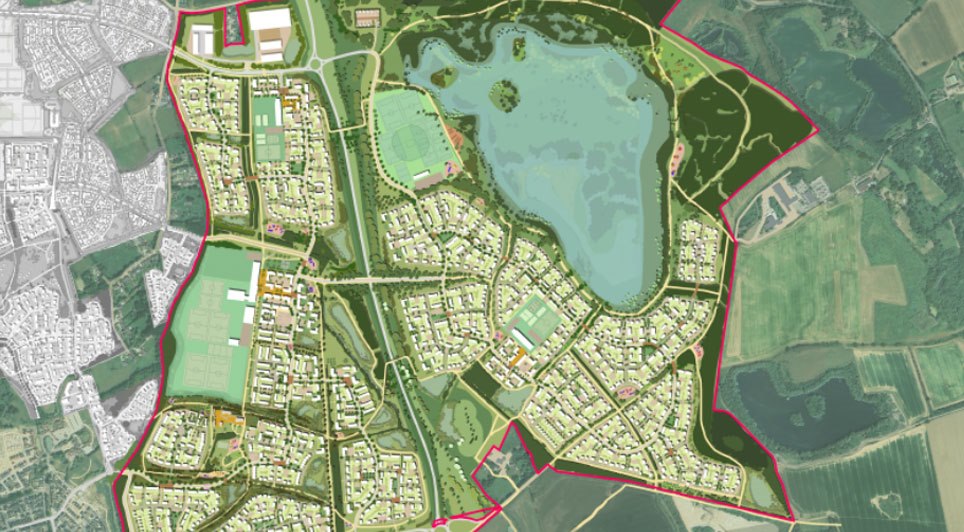
The approval permits three linked villages delivering 3,500 homes, with at least 665 affordable properties. The plans also include new primary schools and an all-through school, a 104-hectare destination country park with a lake, a village hall and stewardship offices, flexible employment space, and more than seven hectares of sports facilities.
Set within a long-term strategy for sustainable growth over the next two decades, this latest decision builds on previous consents for Zones 1 and 3 and follows the success of existing Garden Community neighbourhoods such as award-winning Beaulieu.
With housing, education, community services, green spaces and transport planned together, the scheme is intended to create well-connected neighbourhoods where residents can live sustainably and feel part of a cohesive community.
Councillor Richard Lee, Cabinet Member for Planning and Place-Shaping, said: "This approval is a fantastic step forward for Chelmsford Garden Community and for the people who will eventually live in and around it. It means we can move ahead with well-planned neighbourhoods that bring new homes, schools, green spaces, local facilities and better connections together from the very beginning.
"The focus has always been on creating places where residents can put down roots, access everyday services close to home and enjoy a strong sense of community. This decision helps secure those long-term benefits for Chelmsford and the surrounding area."
Designed around walkable neighbourhood principles, the villages aim to locate most daily needs within easy reach. Each will feature homes, green areas and a village centre with facilities such as schools, shops and community spaces. Employment premises—from business hubs to co-working areas—will support local jobs, aligning with the ambition to provide one job per home.

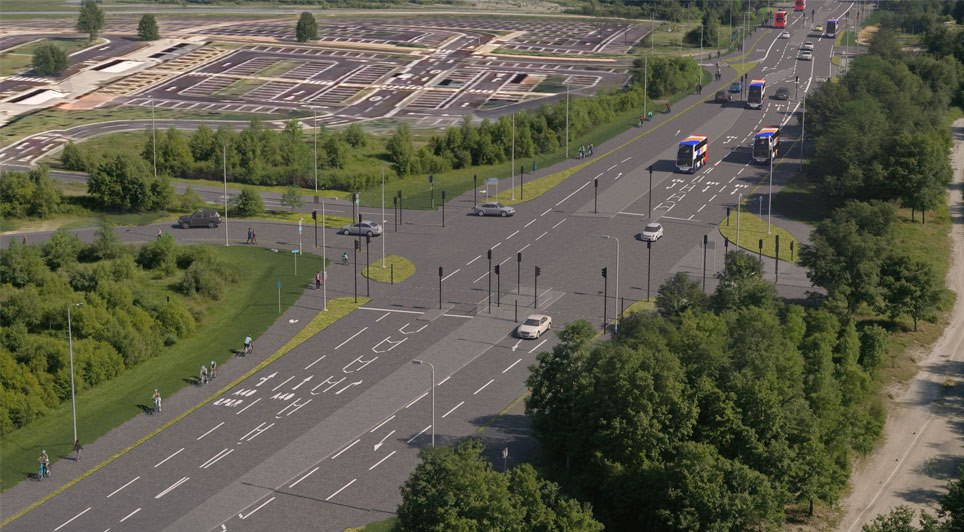
Walking, cycling and bus routes will connect residential areas to village centres, supported by a mobility hub in each neighbourhood. Most homes are planned to be within 400 metres of a bus stop, with a funded network of services for 10 years linking the development to destinations including Beaulieu Park Station and the city centre while patronage grows towards long-term commercial viability.
The consent clears the way for three distinct villages—Hawthorn, Park Farm and Willow Hill—each with a unique character within a wider, integrated community.
Park Farm will act as a civic heart with a community centre, shops, cafés, other local facilities and an all-through school arranged around a pedestrian square, alongside Park Farm Meadows, a new destination play park. It will provide 1,259 homes and facilities including: an all-through school offering primary, secondary and nursery accommodation with future sixth-form provision; a healthcare facility; a mobility hub; a community centre; a stewardship office; and community, retail, commercial and co-working space.
Willow Hill will reflect historic field patterns with green corridors, tree-lined routes and buildings inspired by traditional farmsteads, supported by an employment hub. It will deliver 563 homes and facilities including: a primary school and day nursery; the Willow Hill Employment Hub; co-working space; mixed retail space; flexible community uses; and a mobility hub.
Hawthorn will sit beside Dukes Wood Nature Park, with lower-density housing, softer edges and access to nearby countryside. Historic wartime buildings could be retained and repurposed as local landmarks. It will provide 1,678 homes and facilities including: a primary school and nursery accommodation; local retail provision; flexible co-working, employment and community floorspace; the Dukes Wood Sports Hub; and a mobility hub.
Nature is embedded throughout the scheme, with 130 hectares—more than half the site—set aside for parks, woodlands, wetlands and landscaped green-blue corridors. Dukes Wood Nature Park and Park Farm Meadows will offer accessible spaces for recreation, relaxation and wildlife, complemented by smaller parks, play areas and tree-lined streets. New planting, wetlands and linked corridors will promote biodiversity and nature recovery, with discovery trails and circular routes encouraging people to explore local natural and historic features.
An infrastructure-first approach will deliver early active travel connections alongside key roads, public transport links and community facilities. The Chelmsford North East Bypass, running north–south through Zone 2, is central to the plans. New links will connect the villages and surrounding areas, including the Northern Radial Distributor Road, which will tie the bypass to Essex Regiment Way via Willow Hill. A new access from Beaulieu Parkway will prioritise buses, while two active travel bridges and a new vehicular bridge will cross the bypass to maintain connections between Hawthorn and the rest of the development. Coordinated junctions, crossings and walking and cycling routes are intended to ensure infrastructure keeps pace with growth.