UK
UK Ireland
 Scotland
 London

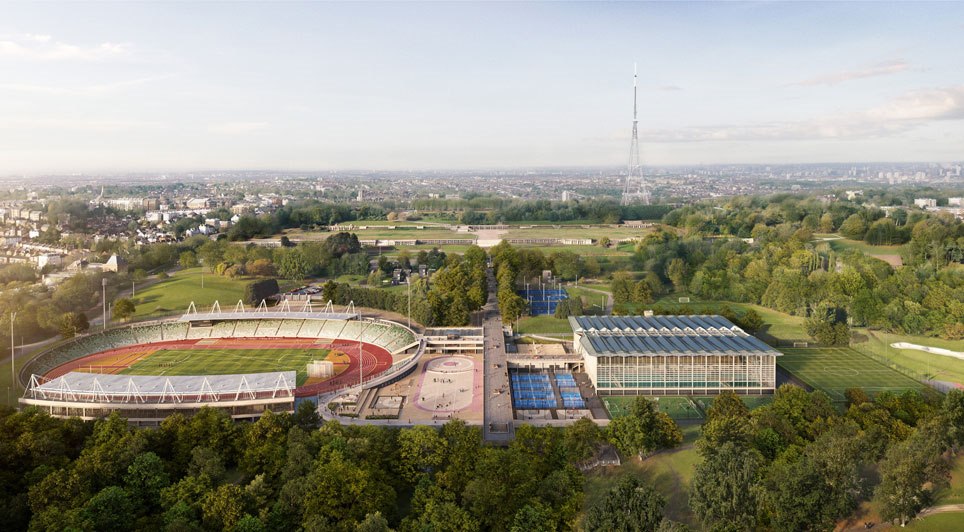
The global credit crisis has occupied news headlines in recent months and its repercussions are starting to be felt across the UK economy. The construction industry is no exception, indeed some areas such as private housing and office construction are among the first to see its impact. However, other construction sectors will be relatively insulated from the financial markets problems, while the 2012 Olympics should provide a lift to industry confidence as work rapidly gathers momentum over the next two years.
Both the general housing and commercial property markets had been cooling during the course of 2007 in response to higher interest rates prior to the credit crunch. The subsequent turmoil in financial markets has exacerbated the downturn as bank finance for house purchase and large commercial schemes alike has become scarce.
New house sales have slowed sharply since the start of the year and developers are now concentrating on building out existing sites and reducing work in progress. Persimmon has recently announced that at present it will not be opening up any new sites. A 20% drop in the number of homes covered by new planning applications during the first quarter of 2008 indicates that they are not alone in adopting this approach.

The flow of new office schemes securing planning approval has also fallen back, especially in London. Accordingly whilst, a strong development pipeline should ensure continued growth in on-site activity during 2008, the value of new projects reaching contract award is set to weaken over the next 18 months.
In contrast, Government funded projects should provide a steadying influence to overall construction workload over the next two years as public sector bodies implement investment plans outlined in the Government's 2007 Comprehensive Spending Review. Public sector activity will be centred upon the Government's priority areas of health, education and new social housing provision.
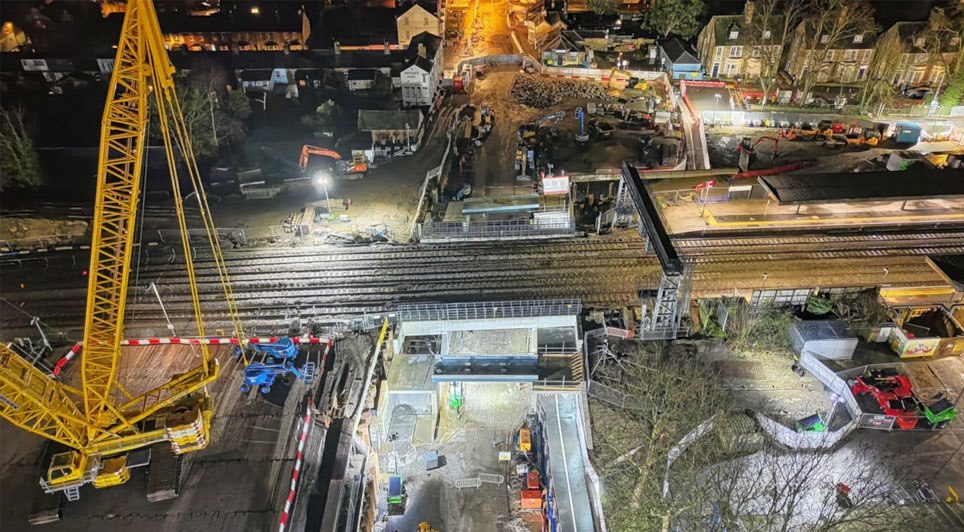
Encouragingly the prospects for the infrastructure sector have also brightened. An increase in water industry work should lift sector activity over the next couple of years as water companies strive to deliver their five year investment programmes agreed with the industry regulator. In addition, investment by the electricity and gas industries is set to remain an important driver for sector growth. Rail related projects are also set to grow as Network Rail presses on with schemes in its new investment programme including Thameslink.
Overall construction output volumes during 2008 are expected to be flat as the anticipated strengthening public sector and infrastructure work offset a weakening in private housing output. However given the continued problems in the financial markets, fewer private sector projects are expected to progress to start on site during the year; restricting industry workload during 2009.
By Allan Wilén