UK
UK Ireland
 Scotland
 London

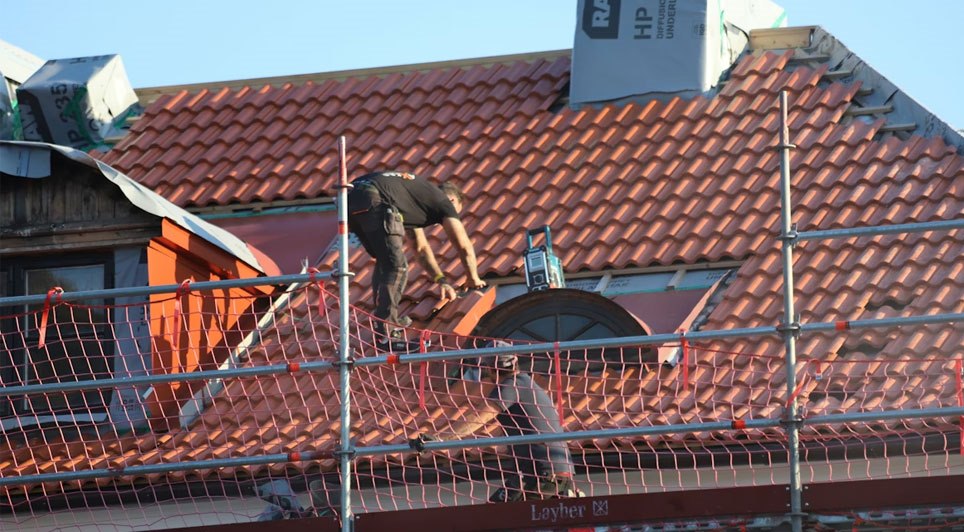
One in 17 British carpenters born in the 1940s will die of mesothelioma - a cancer of the lining of the lung caused by asbestos - according to new research published in the British Journal of Cancer.
In the largest global study of its kind - funded by Cancer Research UK and the Health and Safety Executive (HSE) - more than 600 patients with mesothelioma and 1,400 healthy people were interviewed to examine UK rates of the disease linked to different occupations.
The researchers have calculated that men born in the 1940s who worked as carpenters for more than 10 years before they reached 30 have a lifetime risk for mesothelioma of about one in 17.
For plumbers, electricians and decorators born in the same decade who worked in their trade for more than 10 years before they were 30, the risk is one in 50 and for other construction workers one in 125.

For every case of mesothelioma, asbestos also causes about one case of lung cancer so the overall risk of asbestos related cancer for this particular group of carpenters is about one in 10.
The risk was also increased in other industries and the study showed that two-thirds of all British men and one quarter of women had worked in jobs involving potential asbestos exposure at some time in their lives.
The risk of mesothelioma for the rest of the UK population who haven't experienced these occupational exposures is about one in 1,000 and these apparently unexposed cases account for 60% of all mesotheliomas in women and 15% in men.
Professor Julian Peto, Cancer Research UK epidemiologist and lead researcher based at the London School of Hygiene and Tropical Medicine, said: "By getting information on all the jobs people had ever done we have shown that the risk in some occupations, particularly in the building industry, is higher than we previously thought.
"New regulations introduced in 1970 reduced exposure to asbestos in factories but heavy exposure to the much larger workforce in construction and various other industries continued."
Steve Coldrick, Head of HSE's Disease Reduction Programme, said: "We must continue to remember that asbestos maintained in good condition on-site is not a threat unless it's disturbed and the fibres become airborne. Also, other potential 'risk factors' such as residence in certain types of housing, living near industrial sites, or engagement in DIY activity, were not associated with an increased risk."
(GK/JM)