UK
UK Ireland
 Scotland
 London

The cost to refurbish the Big Ben tower clock in London has more than doubled in price to over £60 million, it has been revealed.
With Sir Robert McAlpine being confirmed as the contractor for the project, the scheme's cost has rocketed from its original £29m valuation to £61m.
The new costs figure follows 16 months of detailed analysis of the work required to refurbish the Elizabeth Tower and Great Clock.
Reasons for the increased costs include an increased understanding of what work is needed. A lot more information is now known about the condition of the stonework following a further stone survey undertaken after the initial estimate. With the design having gone through a Detailed Design and Technical Design process, the company now understands the extend of the refurbishment work required throughout the Elizabeth Tower.
In addition, it was found that the processes for completing the works was more complex, and therefore more expensive, than previously thought. Examples include re-glazing the clock faces, stripping and repainting metal work within the tower, and the associated sequencing which the works can be completed to ensure a high quality of workmanship: the gilding cannot be completed until all the stripping and repainting of the metal work has been completed.

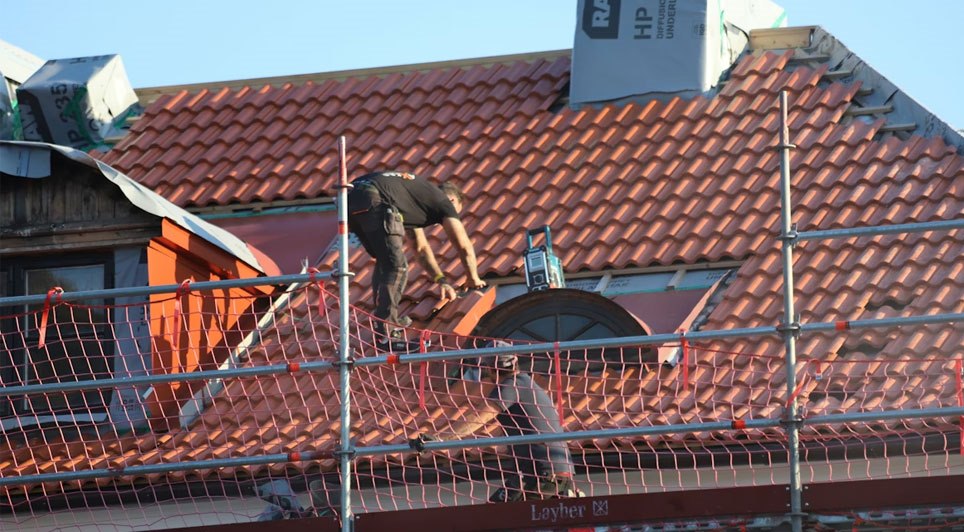
Ground conditions at the site have also proved to be more complex than anticipated and will require additional work. As an example, the quantity of utility services discovered in the ground in Speaker’s Green and New Palace Yard, was greater than what had previously been identified through the surveys and historic record information. This meant that further ground works were required to support the weight of the scaffolding.
Overall, the total cost of the project, including VAT, Risk and Optimism Bias and the transferred fire safety work costs, is therefore now estimated at £61m as opposed to £29m as estimated in spring 2016.
In a statement, the Clerk of the House of Commons, the Clerk of the Parliaments and the Director General said they acknowledge there have been estimating failures.
"In advance of tendering contracts, the initial high level estimates were set at a lower level to avoid cost escalation from the market," the statement said.
"Subsequent estimates, using better data and more extensive surveys, better reflect the true likelihood of the costs. We believe that we now have a more accurate estimate of the cost of the works and will report regularly to the committees on the progress of work."
The authorities of both Houses had already agreed to an internal audit review of progress on the Elizabeth Tower project, and this will now include analysis of the reasons for the increase in estimated costs.
(LM)