UK
UK Ireland
 Scotland
 London

The Construction Products Association (CPA) has lowered its 2018 growth forecasts for the UK's construction industry.
Issues such as a slowing economy, Brexit, falling real wages and rising costs has resulted in growth being revised from 1.2% to 0.7%, the lowest growth figure in six years.
While output for 2017 is expected to rise to 1.6% (previous forecasts put growth at 1.3%), this will be attributed to a sharp rise from new contracts and activity in the £6.9 billion public housing repair, maintenance and improvements to deal with short-term urgent measures that will need to be made in light of the Grenfell Tower fire.
Both infrastructure activity and private housebuilding are expected to be the primary drivers of growth over the next two years, helping to offset a sharp fall in the commercial and industrial sectors.
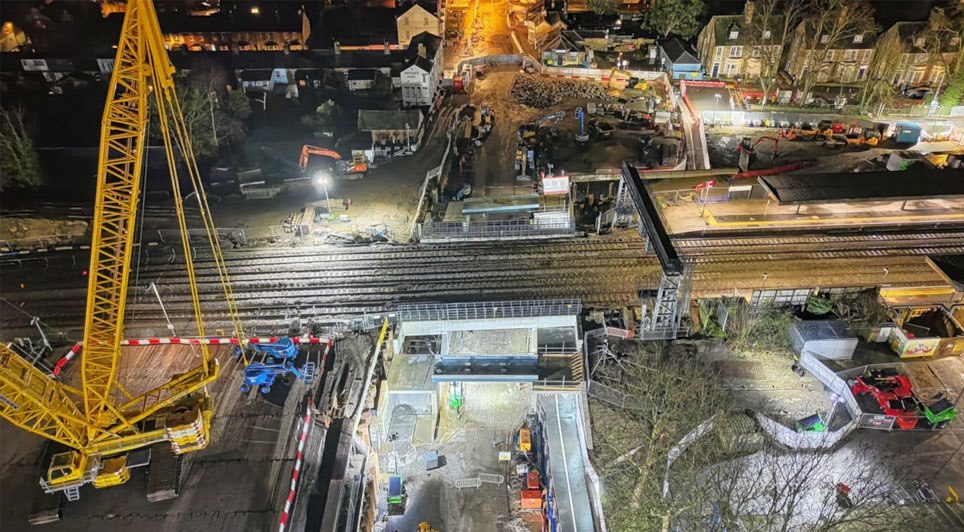
Growth in infrastructure will be due to major projects in rail and water & sewerage such as HS2 and the Thames Tideway Tunnel, with activity forecast to grow by 7.4% in 2017 and 6.4% in 2018. Growth will be reliant on delivery of these projects and the extent of the continued delays to main works at Hinkley Point C have resulted in it no longer included in the CPA forecasts.

The CPA said: "Growth for the industry in 2018 will also be heavily reliant on private housebuilding, however the sector is still reliant on Help to Buy equity loans to drive housebuilding numbers.
"The policy is in place until 2021, which is expected to support demand for new build and drive growth in private housing starts of 3.0% in 2017 and 2.0% in 2018. However, this is slower than in previous years given uncertainties over the strength of consumer confidence and falls in real earnings.
"Looking further ahead, growth for 2019 is projected to be 1.8%, but given the unprecedented economic and political uncertainties following the lack of a significant majority for the UK government as the UK leaves the EU, the risks around this forecast are considerable."
Noble Francis, Economics Director at the CPA, said while firms are still reporting activity remains high, there are "clear signs" that output it slowing.
"Next year, in particular, will be difficult for the industry," he said. "Prospects for construction have been adversely affected by slowing UK economic growth and falling real wages on one side and sharp rising costs on the other. A fall in new investment, especially where it is large international investment looking for a long-term rate of return, is forecast to lead to declines in the commercial and industrial sectors."
However, Shraga Stern, Director of construction firm Decorean, disagreed with the CPA's prediction.
"We do not share the expectation of a slower year. In fact, we predict that 2018 will be a bumper twelve months for the industry," he said.
"Not only will housebuilding remain top of the agenda – with the need for housing always rising – but with significant infrastructure projects set to take place, as well as the increase in maintenance and conversion work, we are surprised to read these downward expectations.
"We are confident not just because of what we see in the wider industry, but also looking at our own pipeline of work."
(LM)