UK
UK Ireland
 Scotland
 London

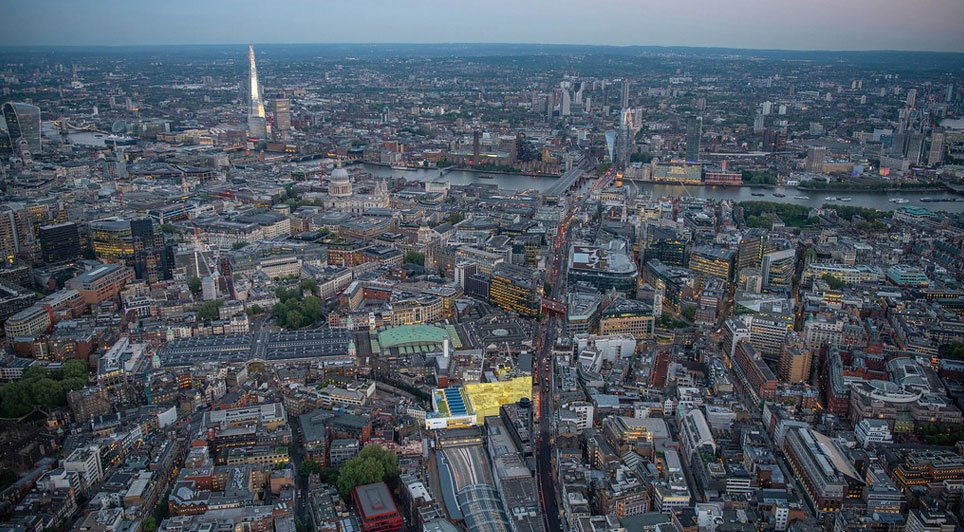
In a bid to save energy costs and cut carbon emissions; the UK's two most populous urban areas are switching to LED lighting. London and Manchester have put plans in place to replace their current streetlights with energy-efficient LED technologies to help lower costs of lighting the streets and help the country meet energy consumption targets by 2020.
At a cost of just under £11million, 35,000 LED streetlights will be implemented in the nation's capital from next year – this accounts for roughly 70% of the city’s total street lights. Furthermore, a new system will also be introduced to remotely manage the brightness and energy output of the lights so they are in-line with the flow of traffic. This could mean that the lights will be low at times of inactivity – leading to greater savings.
The capital anticipates that these measures would save roughly £1.85million in energy costs every year meaning that the investment would be made back in less than 6 years and could reduce the carbon emissions by more than 9,700 tonnes a year.
Mayor of London, Boris Johnson, enthused about the scheme: "With tens of thousands of lights marking the way on our road network it makes complete sense to focus energy and resources on bringing them up to 21st-century standards. This is the largest investment to modernise street lighting on major roads in our capital's history and will not only cut carbon emissions and save money but will also lead to even better and safer roads for Londoners."

The city has already implemented LED lighting solutions in test areas such as the Upper Thames Street Tunnel. This has proved to be a great success – cutting energy costs by more than 60% and reducing maintenance and upkeep costs.
In an even bigger scheme, Manchester city officials have proposed a £32million plan to replace every single streetlight in the city with LED technology. All 56,000 streetlights are being considered for replacement in a major shape-up of the city centre and surrounding areas. It is believed that this will lead to a greater quality of light throughout a city known for being wet and overcast.
The plan will take 3 years to implement but officials believe that the strategy could cut energy costs by two-thirds and vastly decrease harmful carbon emissions. Officials are keen for the plan to get the go-ahead so the city can reap the rewards, an official report read:
"Given the projected increases in energy costs and these technological advances, it has become viable to investigate the installation of LED lanterns across all of Manchester, which would deliver various long-term benefits to the city. There will be significantly less glare, less upward light pollution and less light interference into people’s homes.
"On main traffic routes the new lights will offer safety benefits, the main improvement being more evenly distributed light and less glare for the motorist. Evidence also indicates that the new lights will remove the tiring effects of driving in and out of the bright and dark spots evident with present lighting technology."
Astute Lighting Director, Anwar Adam, is excited by the prospect of the UK embracing LED technology: "This echoes the movements made by some of the world’s biggest cities. New York and Los Angeles have both made the transition to LED lighting in the past couple of years and are enjoying the fruits of their labour with vastly decreased energy costs. I hope that the rest of the country follows suit and make the same decision as Manchester and London."
The UK has been set energy targets by the EU that it needs to hit by 2020 and many officials believe that the widespread implementation of LED technology will be a positive contributing factors towards meeting these targets.
(CD/MH)