UK
UK Ireland
 Scotland
 London

Construction union UCATT have learnt that a major new campaign, which is trying to block Treasury proposals to change the way construction companies operate, is being directed by leading PR Lobbyists Brunswick Group.
Last summer the Treasury opened a consultation on proposals to end bogus self-employment in the construction industry. Under the Treasury’s proposals all construction workers would be deemed to be employees for taxation purposes, unless they supplied their own plant, materials or supplied labour. It is hoped that the deeming proposals will be included in the 2010 budget.
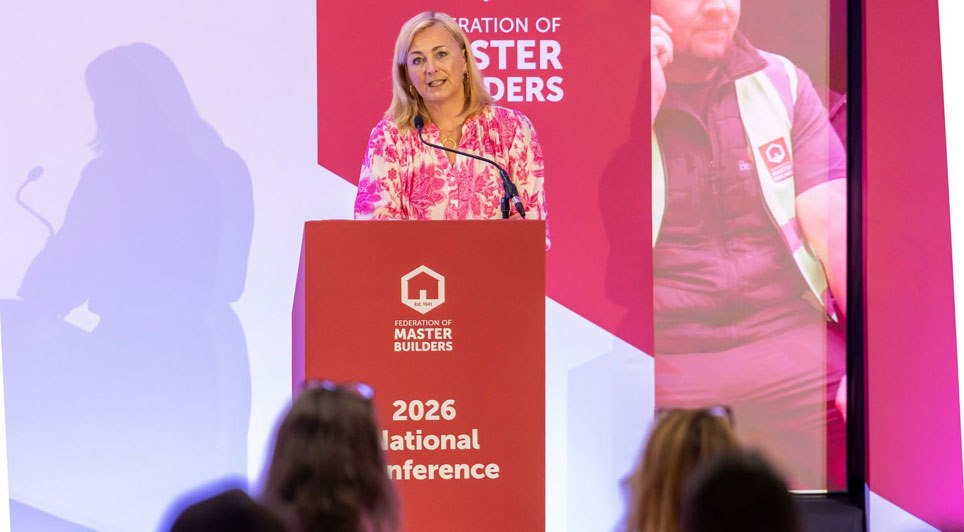
Late last year the campaign to oppose the Government's plans called Stop the Unfair Building Tax was launched. The Home Builders Federation, the Federation of Master Builders and housing companies Barratts and Persimmons, are the key backers of the scheme. The campaign has already developed a highly sophisticated website.
UCATT has learnt that Brunswick are organising the campaign on behalf of the organisations and companies involved. Brunswick has contacts with both the Labour Government and the Conservative opposition.
Alan Ritchie, General Secretary of construction union UCATT, said: "Bogus self-employment corrupts the construction industry and now lobbyists are trying to block the campaign to end the corruption."

The subtax campaign is particularly controversial as it is aimed at ordinary building workers and claims that they will lose 20% of their take home pay under the Government's plans. The website also features a "loss calculator" which seriously overestimates how much workers would lose.
The loss calculator estimates that a skilled construction worker earning the industry minimum rate of £10.30 and earning just under £21,000 a year would be £3,119.87 a year worse off, when the true figure of paying slightly higher national insurance contributions would see a decrease in pay of £364 a year (£7 a week). However workers deemed to be employed for tax purposes would have a far stronger case of claiming holiday pay worth £2,307.20 per annum and other benefits.
The campaign fails to mention that the real losers in the Government's plans are construction companies who have used bogus self-employment as a secret tax subsidy. A company paying a worker the minimum craft rate (just below £21,000) would have to pay employers national insurance contributions of £1,941.56.
Mr Ritchie, added: "This campaign is pretty despicable. It is deliberately playing on the fears of construction workers and spreading gross distortions of the truth.
"The big winners from bogus self-employment are the bosses, yet that is barely mentioned in their material. Is that because they realise these hidden tax subsidies are indefensible?"
The involvement of companies such as Persimmon in the campaign is ironic. Large housebuilding companies are notorious for not directly employing construction workers. Therefore changes in the manner in which construction workers are taxed would have a major effect on their business models.
Following the collapse of the housing market in 2008, Persimmon wrote to UCATT and said: "One of the company's proposals within the current redundancy exercise is to change the way in which work is carried out and in the current market with the uncertainty of the availability of work this would result in it not retaining directly employed gangs...There is a potential that no directly-employed gangs will be working in Persimmon Homes Midlands after the completion of this exercise."
In 2008 Professor Mark Harvey in The Evasion Economy estimated that bogus self-employment affected 400,000 construction workers and cost the Exchequer £1.7 billion in lost national insurance contributions and tax revenues.
In UCATT's response to the Treasury consultation the union called for all workers deemed to be employees for taxation purposes be granted full employment rights.
(CD/GK)