UK
UK Ireland
 Scotland
 London

Construction union UCATT have pledged to play a full and active role in the Government's Inquiry into Construction Safety, despite having some reservations about the appointment of the inquiry's Chair Rita Donaghy.
Ms Donaghy, the former chair of ACAS, lacks a background in health and safety, construction or a similar dangerous industry. Despite this UCATT will be working closely with her in order to ensure that the inquiry is able to identify why the number of deaths of construction workers is so high and make suitable recommendations to reduce fatality levels.
Alan Ritchie General Secretary of UCATT, said: "It is our members, ordinary construction workers, who are needlessly being killed and maimed on building sites. It is our duty to ensure that Rita Donaghy is fully up to speed with all the different factors which reduce safety in the construction industry."

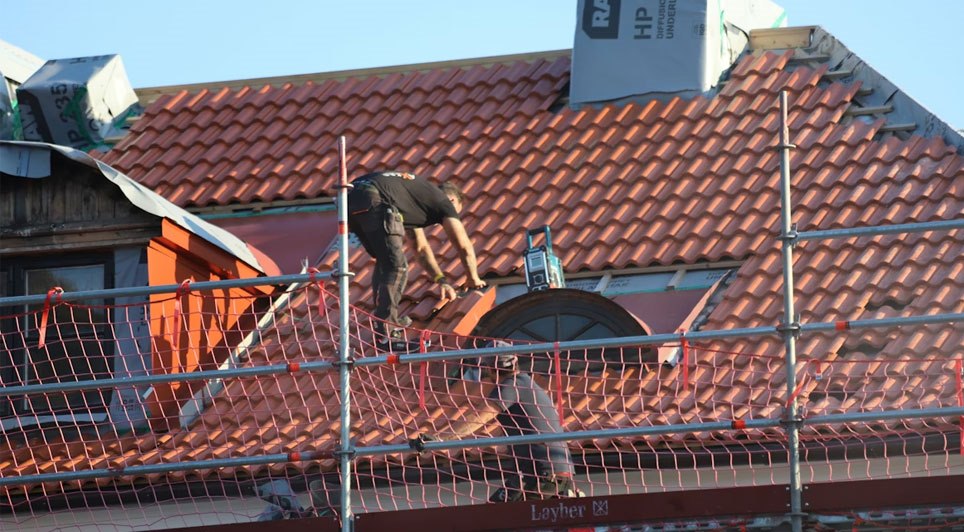
Construction is the most dangerous industry in Britain. Last year 72 workers were killed at work. In 2006/7 the figures were even higher with 79 workers dying. The most recent statistics have also revealed a sharp rise in major injuries suffered by construction workers.
Within weeks of the Government's intention to hold a safety inquiry being announced in July, the Health and Safety Executive began to attempt to downgrade the inquiry's significance.
UCATT have worked closely with the Department of Work and Pensions (DWP) who are overseeing the inquiry to ensure that the terms of reference allow the Chair the maximum scope to investigate all parts of the industry.
Mr Ritchie, added: "There are some very powerful vested interests who do not wish this inquiry to succeed or simply to produce weak recommendations. We will ensure that the inquiry does not descend to that level. Rita Donaghy must be given sufficient support in order to be able to show genuine independence and strength of purpose."
UCATT will be producing evidence about how the casualised nature of the industry leads to low safety standards and causes accidents. This will include how workers forced to work bogusly self-employed through the Construction Industry Scheme are placing themselves at greater risk of being killed or injured at work.
(CD/JM)