UK
UK Ireland
 Scotland
 London

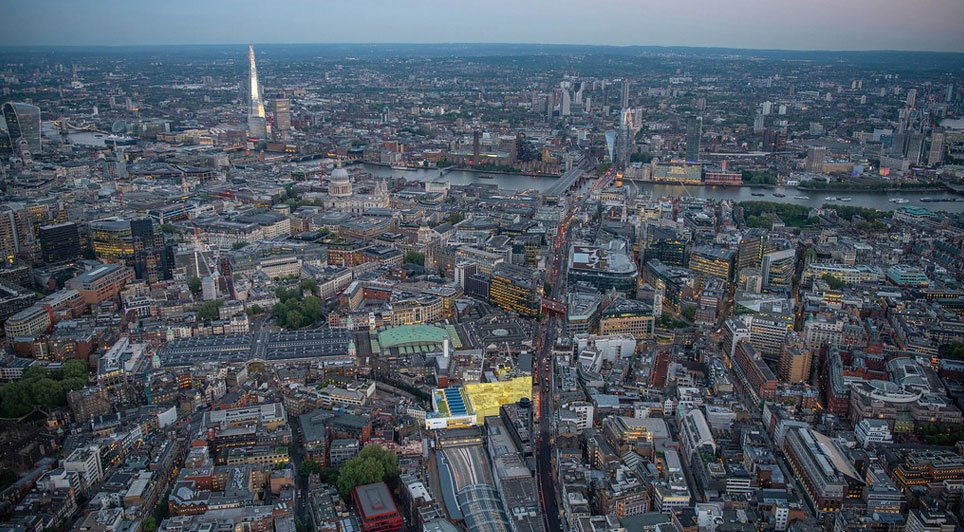
The City of London has been named the second home capital of the country, with one in four homes owned by people who do not live there on a full time basis, a new survey revealed today.
The National Housing Federation (NHF) found 1,148 homes were registered as second homes in the capital's financial heartland, which has seen waiting lists for affordable homes soar by 115% over the last five years.
But the Top Ten second home locations in England are dominated by rural and coastal areas, which have seen a boom in second home ownership in recent years.
Nearly one in five homes on the Isles of Scilly (18.85%) are second homes, while the South West can lay claim to be the holiday home capital of England with five locations in the region featuring in the Top Ten.
In South Hams, Devon, (9.94%) and North Cornwall, (9.41%) nearly one in ten houses are now second homes, while the stunning coastlines of Penwith, Cornwall, (8.15%) and Purbeck, Dorset (6.88%) also ensure their inclusion on the list.

Wealthy house-buyers were also attracted to the Georgian splendour of Berwick-upon-Tweed, Northumberland (9.10%) and the Broads of North Norfolk (9.06%), while the Lake District (South Lakeland 7.28%) also predictably features in the chart.
On average waiting list for affordable homes in the Top Ten second home locations have soared by 66% over the last four years.
Nearly 240,000 homes in England are officially registered as second homes. Booming demand for properties in some of the country’s top beauty spots have however pushed prices well beyond the reach of local people.
The average income of people living in the Top Ten second homes locations is just over £20,000, while the average house price is £354,000, meaning people would need to borrow more than 17 times their income to buy a house.
Even after taking out the two London locations, the average house price is still 15 times the average income.
NHF Chief Executive David Orr said: "People have every right to buy a second home and live wherever they want to.
"But we must recognise the fact that second home ownership has, in many cases, priced local people out of these highly desirable locations, which has had a damaging impact on community life and increasingly seen services and shops close down as a result.
"In the last five years, waiting lists have soared by 66% in the ten areas with the highest proportion of second homes - and we need to be bold and brave if we are to address this crisis, which is affecting not only rural beauty spots but urban areas too.
"The Government needs to find additional ways of freeing up more public land for new affordable homes and restrict the right to buy council houses in areas of acute shortage if we are to prevent these locations becoming enclaves for the very rich and elderly."
(CD/JM)