UK
UK Ireland
 Scotland
 London

Hundreds of small and medium sized contractors (SMEs) have sought professional advice over redundancies in 2008, according to figures released by the National Federation of Builders (NFB).
Nearly 1,200 calls have been made to the NFB employment helpline so far this year, compared to a total of 997 calls for the whole of 2007 as the economic downturn continues to bite.
As well as a crisis affecting the housing industry, contractors have reported order books falling across most other sectors as the UK economy continues to slide towards an expected recession.
The NFB's helplines, which advise membership on a range of issues including taxation, health & safety and legal issues, have seen an 134% increase in calls in the first half of 2008 compared to the same period last year.
It says the increase demonstrates how many SMEs are being forced to restructure in order to survive the downturn.

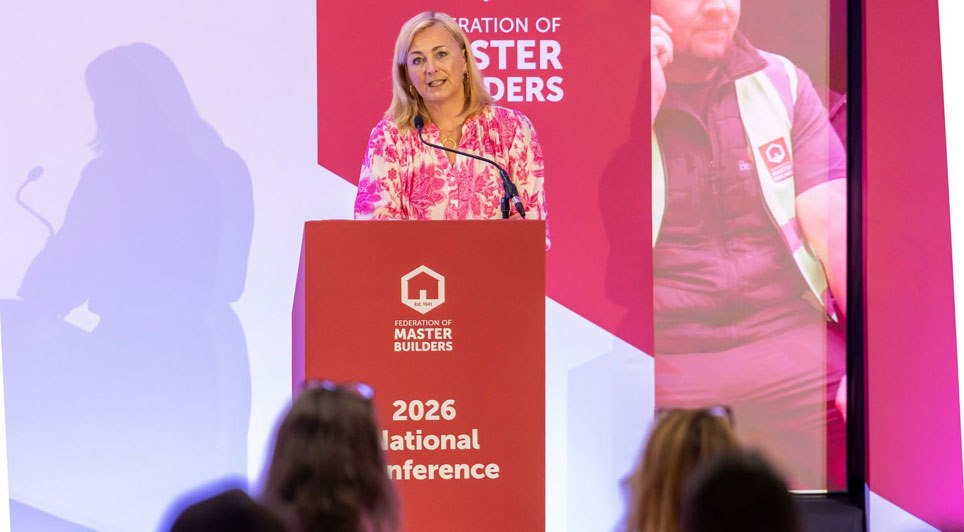
Julia Evans, Chief Executive of the NFB said: "These latest figures provide the clearest evidence yet that the tightening market is taking its toll on the industry’s SMEs. Rising material costs, late or non-payment and falling order books are among the multiplying barriers to running a profitable, stable construction company."
Figures published by the Construction Confederation and Construction Products Association in August reported a 53% fall in inquiries for new work. Meanwhile, PricewaterhouseCoopers announced that 449 contractors fell into insolvency in the second quarter of 2008.
Ms Evans added: "But that doesn’t mean smaller firms are destined for failure. Changing conditions create winners as well as losers.
"Not everybody who calls our helplines will necessarily need help with restructuring and we are often able to talk them through other options.
"The important thing is not to bury your head in the sand but face up to the challenges. Now is the time to focus on the basic principle involved in running a watertight business. For example, companies should be keeping on top of late payments and perform due diligence on all new customers.
"While cost control is key, it's important not to cut back on areas that will help you survive a downturn, such as training and business improvement initiatives. This can help you capitalise when the market picks up.
"Membership of a good trade body can also offer genuine value for money. For example our members save thousands of pounds on legal fees by accessing our free helplines."
(CD/NS)