UK
UK Ireland
 Scotland
 London

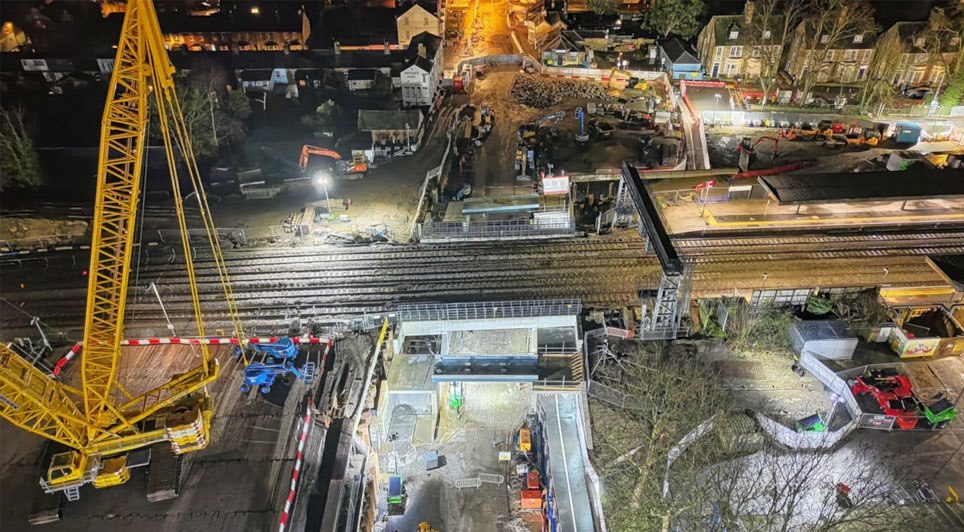
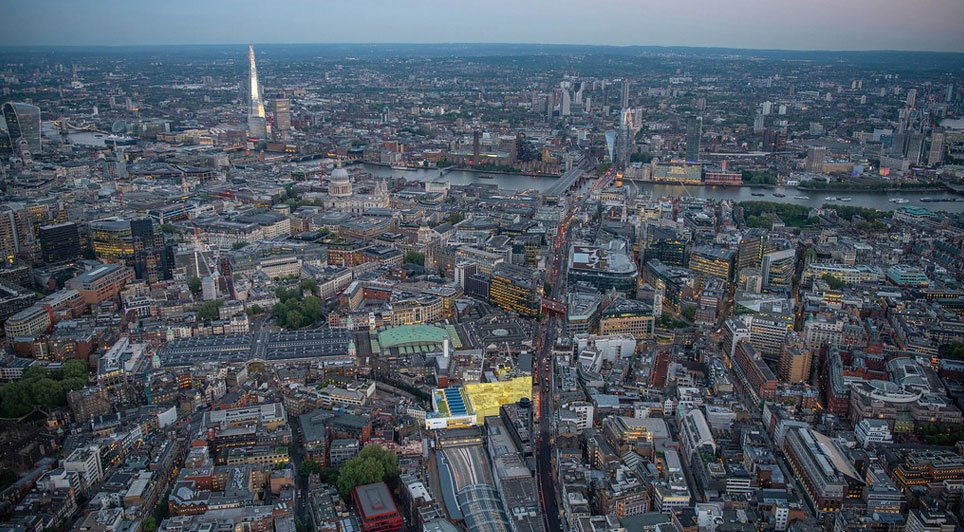
St Pancras International is back in business after an £800 million reconstruction.
Work on the station began in 2001 enabling it to accommodate Eurostar trains in addition to Mainline services, Thameslink and high-speed commuter services to Kent.
On the new Eurostar 186mph rail-link passengers can travel to Paris in two hours and 15 minutes; the £5.8 billion line cuts journey times by 20 minutes. Journey times to Brussels have been reduced by 25 minutes to one hour and and 51 minutes.
At St Pancras brick and stonework has been cleaned, the roof was reglazed with 18,000 panes of self-cleaning glass and repainted in its original light blue.

The station will house upmarket shops and you can sip bubbly at the longest champagne bar in Europe. The elaborate gothic hotel at the front of the station, vacant since the 80s, will reopen as a five-star hotel and apartments in 2009.
Some groups are unhappy with the St Pancras development, economist Paul Herrington, who has been travelling from St Pancras from Leicester for 30 years, said: "Commuters seem to have been treated very much as second-class citizens in the planning of the whole enterprise."
Residents and cyclists are due to stage protests at the station. One group of residents claim that London's poor are being "squeezed out" of the area while London Cycling Campaign has described bicycle access as "sub-standard".
However the terminal stands in contrast to the majority of the 2,500 rail stations in the UK, two thirds of which don't have toilets or waiting areas, according to the National Audit Office.
(GK/JM)