UK
UK Ireland
 Scotland
 London

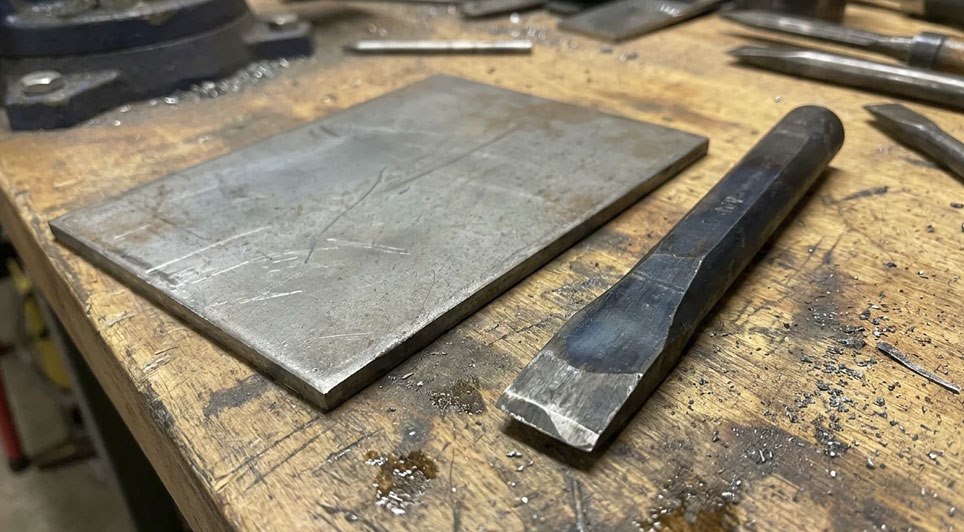
Mild steel and high carbon steel are both carbon steels — the difference is how much carbon they contain, and that one variable changes everything. Mild steel has little carbon, so it is soft, ductile, easy to weld and cheap. High carbon steel has far more, making it hard and strong but brittle and difficult to weld. For almost all building and fabrication work you want mild steel; high carbon steel belongs in tools and springs. This guide explains the difference, the carbon percentages, and which to use.
Mild Steel vs High Carbon Steel: The Quick Answer
Use mild steel for structural and general fabrication work — beams, frames, sheet, brackets, anything that must be welded, bent or machined. Use high carbon steel where hardness and the ability to hold an edge or spring back matter — cutting tools, blades, springs and high-strength wire. Mild steel is the everyday building metal; high carbon steel is a specialist material. The choice is driven by how the part is made and what it must do, not by "which is stronger".
What Is Carbon Steel?
Carbon steel is iron alloyed mainly with carbon. The amount of carbon defines the type and is the single biggest control on its properties:
• Low carbon (mild) steel — roughly 0.05–0.25% carbon. Soft, ductile, weldable, inexpensive.
• Medium carbon steel — roughly 0.30–0.60% carbon. A balance of strength and ductility; used for shafts, gears and axles.
• High carbon steel — roughly 0.60–1.25% carbon. Hard and strong but brittle; used for tools and springs.
As carbon content rises, hardness and strength go up, but ductility, toughness and weldability go down. That trade-off is the heart of the mild vs high carbon comparison.
What Is Mild Steel?
Mild steel (low carbon steel) is by far the most widely used steel in UK construction and fabrication. Its low carbon content makes it ductile — it bends rather than snaps — and gives it excellent weldability with standard equipment, so it can be cut, formed, drilled and joined easily. It is also the cheapest carbon steel. Structural grades such as S275 and S355 are low carbon steels, used for beams, columns, sheet and plate. Typical uses include structural steelwork,
RSJ beams, sheet metal, box section, angle, and general engineering parts. See our steel grades and standards guide for how the grades compare.
What Is High Carbon Steel?
High carbon steel contains much more carbon, which lets it be hardened and tempered to a high hardness. That makes it ideal for anything that must take and keep a sharp edge or resist wear — knife and tool blades, drill bits, saw blades, springs and high-tensile wire. The downside is that it is brittle, has low ductility, and is difficult to weld without cracking, so it is unsuitable for general structural use. It also rusts like any carbon steel and is usually protected or kept oiled. You will rarely buy high carbon steel for building work — its place is in the toolbox, not the structure.

Mild Steel vs High Carbon Steel Compared
• Carbon content -
Mild (low carbon) steel - ~0.05–0.25%
High carbon steel - ~0.60–1.25%
• Hardness
Mild (low carbon) steel – Lower
High carbon steel - High (can be hardened)
• Ductility
Mild (low carbon) steel - High (bends, doesn't snap)
High carbon steel - Low (brittle)
• Weldability
Mild (low carbon) steel – Excellent
High carbon steel - Poor (prone to cracking)
• Machinability
Mild (low carbon) steel – Good
High carbon steel - Harder to machine
• Cost
Mild (low carbon) steel – Lowest
High carbon steel - Higher
• Typical use
Mild (low carbon) steel - Structural steel, sheet, fabrication
High carbon steel - Tools, blades, springs, wire
Which Should You Choose?
For construction, fabrication and general engineering — anything that must be welded, bent, drilled or carry structural load — mild steel is the correct choice, and grades S275 or S355 cover most needs. Only reach for high carbon steel when you specifically need a hard, wear-resistant or springy material, such as a cutting edge or a spring. If you need more strength than standard mild steel without losing weldability, the answer is usually a higher structural grade (S355) or a high-strength low-alloy steel — not high carbon steel, which would sacrifice the weldability your job depends on.
Buy Mild Steel at Rackerman
Rackerman supplies mild steel cut to size for UK trade and DIY — including mild steel sheet in S275, mild steel Durbar chequer plate, plus box section, angle, flat bar and RSJ beams. For outdoor use, mild steel can be supplied galvanised — see our galvanised steel guide. Comparing materials? Our steel vs aluminium guide covers the other common choice.
Browse mild steel at Rackerman
Frequently Asked Questions
What is the difference between mild steel and high carbon steel?
The difference is carbon content. Mild steel has about 0.05–0.25% carbon, making it soft, ductile and easy to weld. High carbon steel has about 0.60–1.25% carbon, making it hard and strong but brittle and difficult to weld. Mild steel suits structures; high carbon steel suits tools.
Is high carbon steel stronger than mild steel?
High carbon steel is harder and can reach higher strength once hardened, but it is also brittle with low ductility. Mild steel is less hard but far tougher and more ductile, so it absorbs load without snapping — which is why structures use mild steel, not high carbon steel.
What carbon content is mild steel?
Mild steel, also called low carbon steel, typically contains around 0.05–0.25% carbon. This low level keeps it ductile, weldable and inexpensive. Structural grades such as S275 and S355 fall within the low carbon range.
Can you weld high carbon steel?
High carbon steel can be welded but is prone to cracking because of its carbon content, and needs careful preheating, low-hydrogen techniques and post-weld treatment. For this reason it is avoided in welded structures. Mild steel, by contrast, welds easily with standard equipment.
What is high carbon steel used for?
High carbon steel is used where hardness and wear resistance matter — cutting tools, knife and saw blades, drill bits, springs and high-tensile wire. Its ability to be hardened and hold an edge is its key advantage, but it is unsuitable for general structural or fabrication work.
Is mild steel the same as carbon steel?
Mild steel is a type of carbon steel — specifically the low carbon variety. "Carbon steel" covers low, medium and high carbon grades; mild steel is the low carbon end. So all mild steel is carbon steel, but not all carbon steel is mild steel.
Which is cheaper, mild or high carbon steel?
Mild steel is cheaper. Its lower carbon content and huge production volumes make it the most economical carbon steel, which is another reason it dominates construction and general fabrication. High carbon steel costs more and is reserved for applications that need its hardness.
What grade of mild steel is used for construction?
Structural mild steel in the UK is usually grade S275 or S355, both low carbon steels. S355 has a higher yield strength than S275 and is the common modern choice for beams and columns. Both weld and fabricate readily, unlike high carbon steel.