UK
UK Ireland
 Scotland
 London

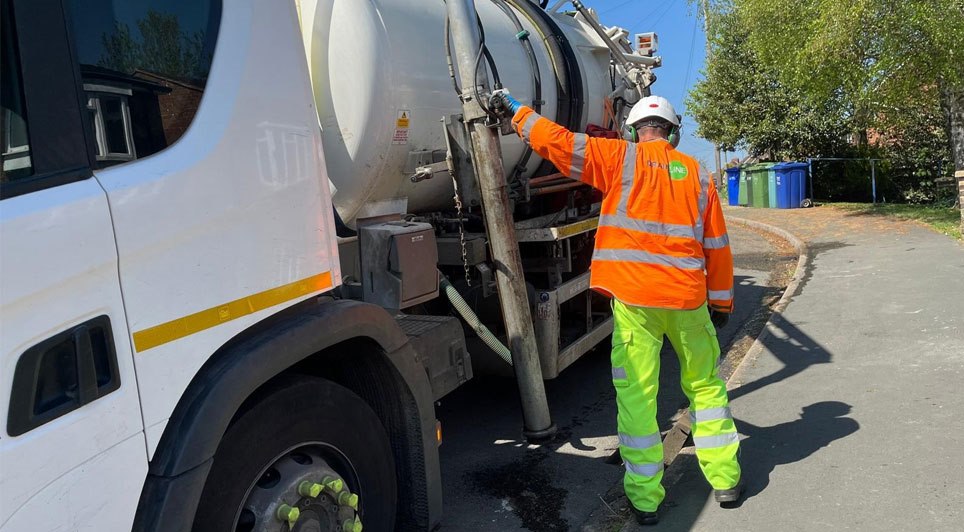
Oxfordshire County Council has approved an additional £4 million to repair and replace damaged roadside gullies over the next two years, aiming to improve highway drainage and reduce the risk of flooding.
The decision is based on evidence gathered during a countywide effort last year to inspect and cleanse every highway gully. Oxfordshire has about 147,000 gullies, and a 12-month inspection and cleaning drive began in April 2025, covering every gully and catchpit.
Working with partners M Group and Drainline, the council inspected all assets and cleaned 135,254 at least once — roughly 92 per cent of the total. Some sites could not be serviced, despite repeat visits, due to issues such as parked cars or seized lids; these have been logged for follow-up visits.
Others were found to have more complex defects and have been added to the latest programme for further investigation and repair, confirmed by Councillor Liz Leffman, Oxfordshire County Council's Cabinet Member for Highways Construction and Repairs, on Thursday.

The extra £4m takes overall planned spending on drainage maintenance and repairs to £9.42m. The funding will expand the volume of drainage infrastructure repairs and investigations and help ensure that routine gully cleansing is as effective as possible.
Cllr Leffman said: "Given the wet winter we had last year, and the extensive flooding that it caused, it's important to maintain and clear gullies and make sure that broken infrastructure is replaced.
"We have a lot of broken gullies, due to many years of under investment. We know that by repairing them we will significantly improve drainage, particularly over the winter period. That's why we have invested £4m over the next two years on gully infrastructure.
"This work will help to minimise network disruption, protect communities and property, and support safe, reliable travel. The programme will also prioritise preventative interventions, reduce reactive maintenance costs and strengthen our ability to respond to increasingly severe weather events."
Under the plan, high-risk locations will be cleaned annually, with other areas moving to a two-year cycle. Priorities will be set using risk-based data, including findings from last year's countywide programme, flood mapping and formal flood investigation reports.
In 2025–26, crews removed about 2,346 tonnes of material from gullies. The waste was processed at a zero-to-landfill specialist facility: water was treated and discharged if not needed for the wash plant, while sand and aggregate were recovered and sold. Remaining rubbish went to a materials recovery facility for recycling or energy recovery, with nothing knowingly sent to landfill.
The council says the programme is designed to bolster resilience, reduce disruption and support safe, reliable travel across the county.