UK
UK Ireland
 Scotland
 London


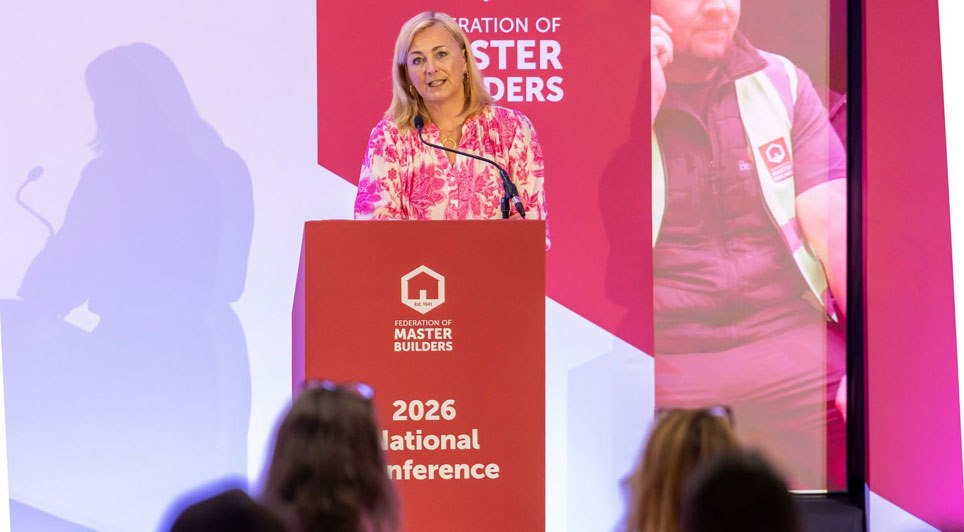
The Construction Industry Training Board (CITB) and the Federation of Master Builders (FMB) have launched a new RMI (Retrofit) Sector Skills Plan, developed with input from the Sector Advisory Group on which NFRC sits. NFRC has welcomed the plan and its aims.
Focusing on domestic retrofit and on heritage and traditional buildings, the plan has £3.8 million allocated to fund tailored strategies, projects and interventions for each area. NFRC is part of the advisory group that informed the plan and will help determine funding allocations.
The plan sets three core objectives: to deliver funding in line with new domestic retrofit research; to improve competence across the RMI/retrofit workforce; and to streamline training initiatives while creating clear standards. These priorities align with NFRC's ongoing work to clarify competence requirements for roofing, expand access to training and CPD, and professionalise the sector.

RMI activity is central to upgrading the UK's 30 million-plus homes and is valued at £40.7 billion. However, the sector has long faced limited recognition of key skills, a lack of minimum competence standards, and stop–start government policy.
NFRC members undertake a significant share of RMI work, particularly as retrofit increasingly involves roofs through insulation, ventilation and solar installations. Poor-quality retrofit poses real risks, potentially damaging buildings and harming occupants. A skilled, competent workforce is essential to deliver retrofit safely and at the required scale.
The plan is underpinned by new research commissioned by CITB's RMI Sector Skills Advisory Group and conducted by Oxford University and Nottingham Trent University. The report, Energy Retrofit, Repair, Maintenance and Improvement of Homes in Great Britain: Towards a Sector Skills Strategy, outlines three guiding principles: deepen understanding of the technical, market, institutional and policy context for retrofit; foster collaboration across the training ecosystem and with external partners, including devolved and place-based approaches; and clarify goals through a shared vision for career pathways, quality standards and funding reform.
It further recommends that future funding prioritise coordination, competence and quality assurance, supported by independent assessment and certification.
Members are encouraged to read the full report and watch the summary video on CITB's website. Those with programme ideas to strengthen the UK's RMI skills landscape, and who think NFRC should seek funding through the sector skills plan, are invited to contact NFRC via the email link provided in the original notice.