UK
UK Ireland
 Scotland
 London

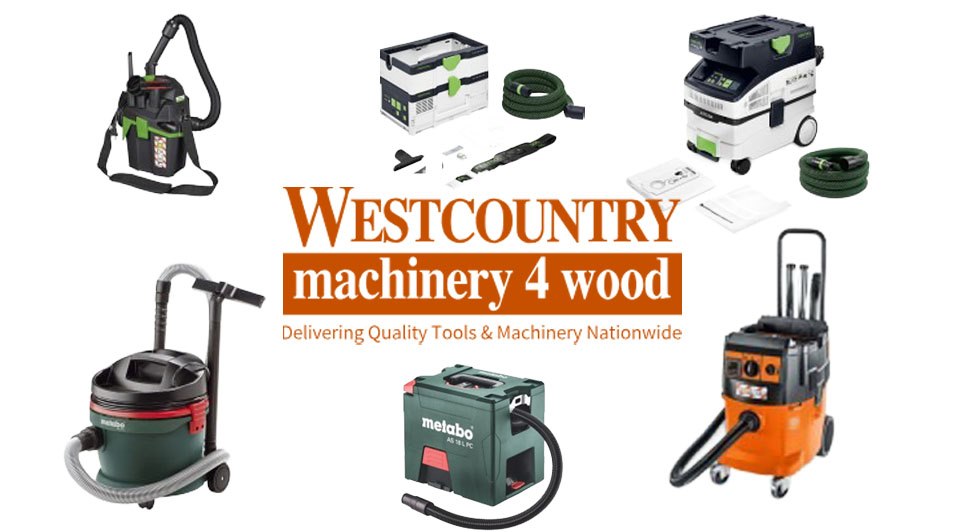
Dust extraction is often viewed as a housekeeping issue, but for woodworking professionals, construction contractors and manufacturing businesses, selecting the correct dust extraction equipment is a critical health and safety requirement. Understanding the differences between Dust Class L, Dust Class M and Dust Class H can help businesses protect workers, comply with regulations and create safer working environments. Dust generated from woodworking, construction and manufacturing processes can contain hazardous particles that may cause serious health issues if inhaled over time. Exposure to fine airborne dust has been linked to respiratory illnesses, asthma, bronchitis and certain forms of cancer. In particular, wood dust, silica dust and asbestos-containing materials require careful management through effective dust extraction systems.
Dust extraction equipment is categorised into three classes according to the level of hazard posed by the dust being collected. Dust Class L is designed for low-risk materials such as household dust, soil, lime and general building debris. These systems are suitable for applications where dust concentrations present a relatively low health risk. Dust Class M is intended for medium-risk dusts including wood dust, concrete dust, cement, plaster and many common construction materials. For many professional woodworking and construction environments, M Class extraction is considered the minimum requirement due to the potential health risks associated with fine airborne particles.

Dust Class H represents the highest level of protection and is required when working with highly hazardous materials such as asbestos, mould spores, lead dust, bacteria and other carcinogenic substances. These systems provide extremely high filtration efficiency and are designed to prevent dangerous particles from re-entering the workplace atmosphere. Choosing the wrong dust extraction class can expose workers to unnecessary risks while potentially compromising regulatory compliance.
As awareness of workplace health and safety continues to increase, businesses are placing greater emphasis on effective dust management. Investing in the correct dust extraction equipment not only helps protect employees but can also improve productivity, reduce maintenance costs and create cleaner, more efficient working environments. Understanding dust classes is therefore an essential step in selecting the right dust extraction solution for any workshop, construction site or manufacturing facility.
For any further information, please visit Westcountry Machinery4Wood at www.machinery4wood.co.uk/Dust-Classes-Explained/C411841