UK
UK Ireland
 Scotland
 London

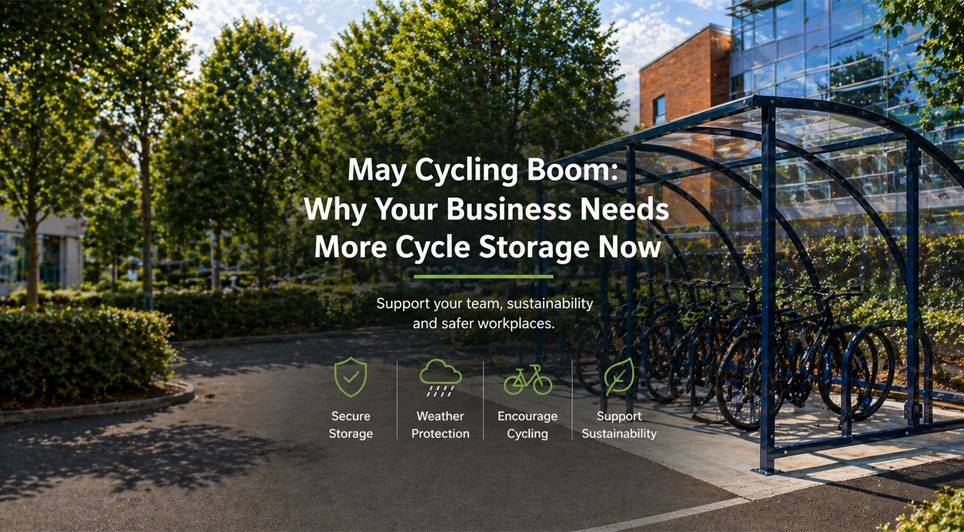
As spring progresses and temperatures rise across the UK, many businesses experience a noticeable increase in employees choosing to cycle to work. Longer daylight hours, improved weather conditions, increasing fuel costs, and a growing focus on health and sustainability all contribute to what has become a familiar seasonal trend: the June cycling surge.
For employers, this presents an important opportunity. As more staff embrace active commuting, the demand for secure, convenient, and weather-protected cycle storage increases. Businesses that are prepared can support healthier commuting habits, improve employee satisfaction, and strengthen their sustainability credentials. Those that are not may find existing facilities quickly becoming inadequate.
Why More Employees Are Cycling to Work
Workplace cycling has steadily gained momentum in recent years, supported by a combination of economic, environmental, and lifestyle factors.
Some of the key drivers behind this growth include:
• Rising fuel and commuting costs
• Increased awareness of physical and mental wellbeing
• Corporate sustainability and ESG commitments
• Investment in cycling infrastructure across UK towns and cities
• Government-backed active travel initiatives
• Growing adoption of electric bikes
For many employees, cycling offers a cost-effective and practical alternative to driving or relying on public transport. As participation continues to increase, businesses need to ensure their facilities evolve to meet changing commuting patterns.
When Existing Cycle Storage Is No Longer Enough
Many organisations underestimate how quickly demand for cycle parking can increase during spring and summer.
A bike rack that comfortably accommodated a handful of cyclists during winter may become overcrowded as warmer weather encourages more employees to cycle regularly. Without sufficient facilities, bicycles can begin appearing in unsuitable locations around a site, creating security concerns and reducing the professional appearance of the workplace.
Employees are often reluctant to cycle if they have concerns about:
• Theft or vandalism
• Exposure to poor weather
• Limited storage availability
• Inadequate security measures
• Difficult access arrangements
Providing secure cycle storage removes many of these barriers and encourages long-term adoption of active commuting.
Supporting Employee Health and Wellbeing
Cycling is widely recognised as one of the most accessible forms of daily exercise.
Employees who cycle regularly often benefit from improved cardiovascular health, reduced stress levels, and enhanced overall wellbeing. For employers, this can contribute to a more engaged and productive workforce.

Potential workplace benefits include:
• Reduced absenteeism
• Improved concentration and productivity
• Higher levels of employee satisfaction
• Better workplace morale
By investing in cycling facilities, businesses can demonstrate a genuine commitment to employee wellbeing rather than simply promoting it in policy documents.
Helping Businesses Meet Sustainability Goals
Reducing transport-related emissions remains a priority for many organisations working towards environmental targets.
Providing secure cycle storage encourages staff to choose lower-carbon travel options and can form part of a broader sustainable travel strategy.
Cycle storage can help businesses support:
• Environmental, Social and Governance (ESG) objectives
• Corporate sustainability programmes
• Green travel plans
• Net-zero commitments
• Environmental accreditation schemes
Unlike some sustainability initiatives that operate behind the scenes, cycle shelters provide a visible demonstration of environmental commitment for employees, visitors, and stakeholders.
Improving Recruitment and Retention
Workplace facilities increasingly influence how employees evaluate potential employers.
Modern job seekers often look for organisations that support healthier lifestyles, sustainable commuting, and employee wellbeing. Practical amenities such as secure cycle parking can help create a more attractive working environment.
Facilities that are particularly valued by cyclists include:
• Covered cycle shelters
• Secure bike compounds
• Accessible storage areas
• Changing and shower facilities
• Support for active travel schemes
For businesses competing for talent, these additions can help differentiate them from competitors.
Reducing Pressure on Car Parking
Many workplaces face ongoing challenges with limited parking capacity.
Encouraging more employees to cycle can reduce congestion on-site and ease demand for valuable parking spaces. This can be particularly beneficial for organisations operating in urban areas or on sites where parking expansion is difficult or expensive.
Industries that often benefit include:
• Office environments
• Schools and colleges
• Industrial and manufacturing facilities
• Healthcare settings
• Town and city-centre businesses
Cycle storage offers a relatively low-cost solution compared with creating additional vehicle parking infrastructure.
Security Matters
Security remains one of the most important considerations for employees deciding whether to cycle to work.
Investing in high-quality cycle storage helps protect bicycles from theft, vandalism, and weather-related damage. Covered shelters can also extend the lifespan of bikes by reducing exposure to rain, frost, and UV damage.
Providing secure storage reassures employees that their investment in cycling is supported by their employer.
Choosing the Right Cycle Storage Solution
Not all cycle storage systems are suitable for every site. Organisations should consider both current and future demand when assessing requirements.
Key factors include:
Capacity
Storage facilities should accommodate existing users while allowing room for future growth.
Security
Robust construction, secure access arrangements, and optional locking systems can provide additional protection.
Weather Protection
Covered cycle shelters improve user experience and help protect bicycles from the elements.
Accessibility
Storage areas should be convenient to access without compromising security.
Durability
Commercial cycle shelters should be designed to withstand long-term outdoor use and changing weather conditions.
Planning Ahead for Growing Demand
As cycling participation continues to increase, many organisations are reviewing their facilities before peak summer demand arrives.
Suppliers such as
Tamstar Ltd have seen growing interest from businesses looking to expand workplace cycling infrastructure through covered cycle shelters, secure compounds, and commercial bike storage systems.
By planning ahead, organisations can avoid capacity issues, support active travel initiatives, and ensure their sites are prepared for increasing numbers of cyclists.
Conclusion
The annual increase in workplace cycling during June reflects a broader shift towards healthier and more sustainable commuting choices across the UK.
Businesses that invest in appropriate cycle storage facilities can support employee wellbeing, reduce parking pressures, strengthen sustainability credentials, and create a more attractive working environment.
As cycling becomes an increasingly important part of modern commuting, secure and well-designed cycle storage is rapidly moving from a desirable workplace feature to an essential one. For organisations planning future workplace improvements, now may be the ideal time to assess whether existing cycle storage facilities are ready to meet growing demand.