UK
UK Ireland
 Scotland
 London

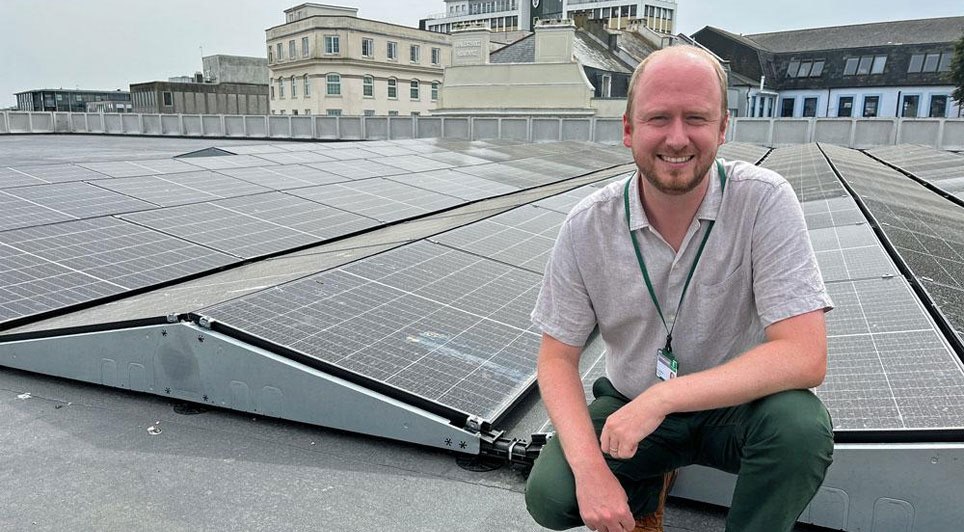
Plymouth's plans for a series of heat networks have moved forward after the appointment of a specialist delivery partner to take the project into its next phase.
Heat networks, also known as district heating, distribute warmth from a handful of larger sources through underground, water-filled pipes to multiple buildings. The systems can provide heating, hot water and, where needed, cooling.
Following a competitive tender, Vital Energi has been chosen to help shape and deliver the programme, enabling businesses — and, in time, some homes — across the west and north of the city to connect and lower their heating costs.
Under the agreement, Vital Energi will invest in, construct, operate, maintain and expand the networks in partnership with the Council, drawing on experience from successful schemes in Leeds, Glasgow and Solihull.
Plymouth was selected in 2024 for the Government's Heat Network Advanced Zoning Programme and the Council has since been progressing the first phase.
A key advantage of heat networks is the ability to capture waste heat from local sources such as manufacturing, water treatment and data centres, bolstering energy security while offering a lower-carbon, more stable alternative to conventional energy.

Councillor Tom Briars-Delve, Cabinet Member for the Environment and Climate Change, said: "I'm really pleased to take the next step in this project which will completely revolutionise how thousands of people are able to heat their homes and businesses in the future.
"Put simply, heat networks in Plymouth will secure affordable, local energy for the long term whilst supporting economic growth, creating green jobs and new skills opportunities across the city.
"We have secured the biggest green investment in Plymouth's history and these heat networks will continue to benefit the city for future generations."
Mike Cooke, Managing Director of Vital Energi, added: "This new heat network unlocks massive opportunities for Plymouth's businesses and local community.
"We're looking forward to meeting potential customers to map out the positive prospects of connecting to the scheme will bring.
"What makes this Advanced Zoning Programme scheme truly exciting is that it isn't just about making the city's energy infrastructure more secure and resilient, it's a long-term economic boost that brings direct investment and new jobs to the community."
The emerging masterplan identifies two principal zones, with exact boundaries due to go out to consultation next month.
The first, covering the south and west of the city, would draw on major waste-heat sources including South West Water's Central Plant and the Devonport Energy from Waste facility.
The second centres on Derriford in the north, using heat from the NHS medical waste incinerator and building on the existing ground source heating system at Marjon University.
Early phases will prioritise commercial and public buildings, with a longer-term ambition to extend the network to social housing and then wider residential areas.
The initial zonal roll-out is expected to begin in 2028, with the first buildings receiving heat in 2029, and expansion continuing across both zones thereafter.
Find out more about heat networks and the upcoming consultation: www.plymouth.gov.uk/heat-networks