UK
UK Ireland
 Scotland
 London

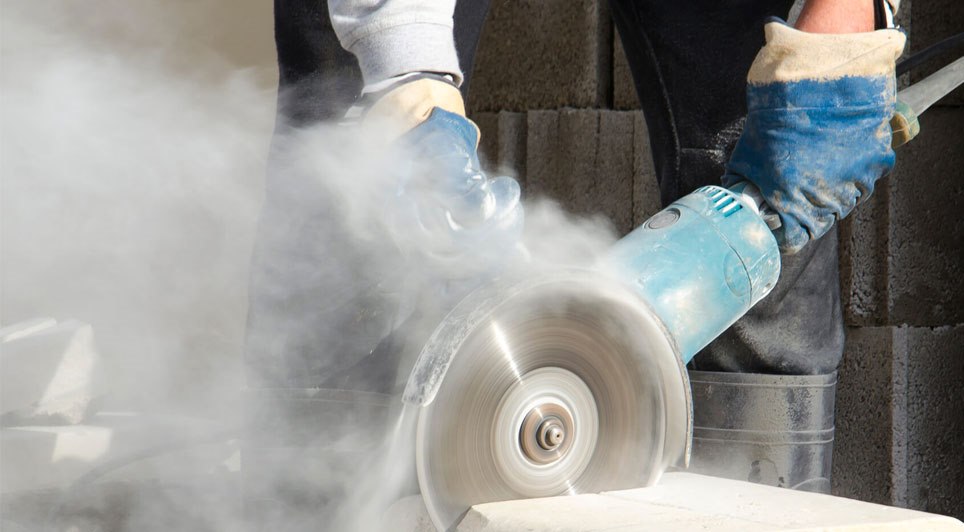
The Health and Safety Executive (HSE) has unveiled a comprehensive suite of measures aimed at safeguarding workers from the hazards associated with engineered stone dust. The initiative targets the prevention of silicosis, a fatal lung condition caused by inhaling silica dust during stone-cutting processes.
Central to the announcement is new guidance stating that the dry cutting of engineered stone is unacceptable. Instead, the HSE has mandated water suppression techniques as the required legal standard for businesses. This move follows a two-year research period which revealed that dry fabrication can result in respiratory crystalline silica (RCS) exposure levels five to ten times higher than wet methods.
To ensure compliance, the HSE is embarking on a massive nationwide inspection regime. Over the next year, inspectors will visit more than 1,000 fabricators across Great Britain, with the first of these site visits already underway. Enforcement action will be taken against any businesses found to be failing these legal requirements.
The intervention follows the tragic deaths of two young workers from silicosis in recent years, which led to urgent calls for reform from medical experts, trade unions, and MPs. Engineered stone, commonly used for kitchen and bathroom surfaces, can contain up to 95% crystalline silica. Unlike natural stone, exposure to engineered stone dust can lead to permanent lung damage in just a few months or years.

Mike Calcutt, Deputy Director in HSE's Engagement and Policy Division, stated: "Today's guidance marks our most significant intervention in the engineered stone sector to date, and not without good reason. Silicosis is incurable, but it is entirely preventable. No worker should lose their life to a lung disease caused by their job, and that is why we have taken this action.
"To every employer in this sector: the guidance is now published, the expectations are clear, and our inspectors are coming. Those who are cutting corners are not just putting their workers at risk — they are undercutting the businesses doing things properly. We will create a level playing field."
The HSE has released its first-ever COSHH (Control of Substances Hazardous to Health) guidance specifically for the engineered stone industry. The instructions for employers are clear: they must transition to low-silica engineered stone, utilise on-tool water suppression, manage mist, provide correct respiratory protective equipment (RPE), and implement consistent health surveillance.
Sir Stephen Timms, Minister for Social Security and Disability, commented: "Every worker deserves to come home safe, without fear of losing their life to a preventable, deadly lung disease caused by their job. This new guidance gives businesses clear, unambiguous instructions on what the law requires, and this spring and summer HSE will carry out more than 1,000 inspections across the industry to make sure those standards are enforced, and the lives of workers protected."
Industry bodies have also welcomed the clarity. Kevin Bampton of the British Occupational Hygiene Society and Nigel Fletcher of the Worktop Fabricators Federation (WFF) both expressed support for the evidence-based guidance. The WFF noted that its quality mark will only be granted to fabricators who meet these rigorous safety standards.
The HSE's campaign will continue through 2026 and 2027, focusing on raising awareness and driving industry-wide compliance. Workers or employers with safety concerns are encouraged to contact the HSE directly.