UK
UK Ireland
 Scotland
 London

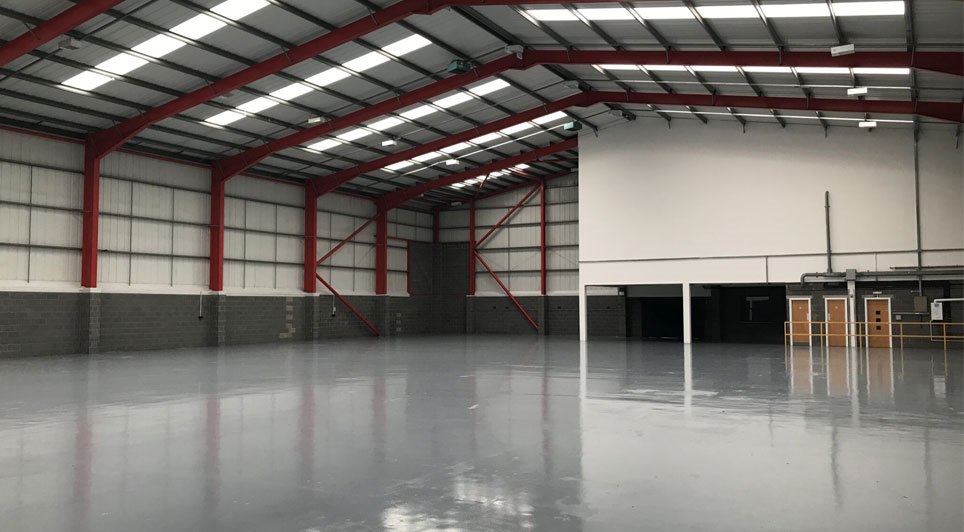
As warehousing demands continue to grow, many businesses find themselves running out of space long before they’re ready to relocate. Expanding into a larger facility isn’t always practical, whether due to cost, disruption, or location constraints.
This is where mezzanine floors come in.
A mezzanine floor allows businesses to unlock unused vertical space within their existing warehouse, creating additional capacity without increasing their footprint. But when is the right time to invest in one?
At Doity Engineering, we work with businesses across the UK to identify exactly when a mezzanine becomes the most effective solution. Here are the key signs your warehouse may need one.
1. You’re Running Out of Floor Space
One of the most obvious indicators is a lack of usable floor space.
If aisles are becoming congested, storage areas are overflowing, or stock is being stored inefficiently, it’s often a sign that your warehouse has reached its capacity at ground level.
How a mezzanine helps:
A mezzanine creates additional floor area above your existing operations, allowing you to expand storage, picking zones, or workspaces without disrupting what’s already in place.
2. You Have Unused Vertical Space
Many warehouses have significant headroom that goes unused.
If your building has the height but not the floor space, a mezzanine floor can transform that empty volume into a fully functional area.
The Doity approach:
We design mezzanines that maximise available height while ensuring compliance with building regulations, fire safety requirements, and operational practicality.

3. Your Operations Are Becoming Inefficient
As businesses grow, workflows can become more complex and less efficient.
Common signs include:
• Longer picking times
• Congested walkways
• Poor separation between processes
• Increased handling of goods
How a mezzanine helps:
A well-designed mezzanine can create dedicated zones for storage, picking, packing, or offices, improving flow and overall productivity.
4. You Need Additional Office or Workspace
Warehouses are no longer just storage facilities. Many businesses need office space, meeting rooms, or production areas within the same building.
How a mezzanine helps:
A mezzanine floor can be used to create office space above the warehouse floor, allowing you to separate administrative and operational functions without sacrificing storage capacity.
5. Relocating Isn’t Cost-Effective
Moving to a larger premises can be expensive and disruptive, with costs extending far beyond rent or purchase price.
These may include:
• Business downtime
• Staff disruption
• New fit-out costs
• Logistics and relocation expenses
How a mezzanine helps:
Installing a mezzanine is often a far more cost-effective way to increase capacity while staying in your current location.
6. Your Business Is Growing (or Planning To)
Growth is a positive challenge, but it needs to be supported by the right infrastructure.
If your business is expanding, whether through increased stock, staff, or operations, your warehouse needs to keep up.
The Doity approach:
We design mezzanine floors with future growth in mind, including modular systems that can be expanded or reconfigured as your business evolves.
7. You Want a Flexible, Long-Term Solution
Unlike permanent structural extensions, mezzanine floors can be adapted over time.
This is particularly valuable for businesses in leased buildings or those with changing operational needs.
The Doity advantage:
Our modular mezzanine systems are designed for flexibility, allowing businesses to reconfigure or even relocate their mezzanine if required.
Why Timing Matters
Installing a mezzanine floor too late can mean prolonged inefficiencies, lost productivity, and unnecessary operational pressure. On the other hand, investing at the right time can unlock growth, improve workflow, and maximise the value of your existing space.
At Doity Engineering, we help businesses assess their current setup and identify the most effective solution, whether that’s installing a new mezzanine or optimising an existing one.
Final Thoughts
A warehouse doesn’t need to be full before a mezzanine becomes worthwhile. In many cases, the best time to invest is when you start to see early signs of space constraints or inefficiency.
By acting early, businesses can stay ahead of growth, improve operations, and avoid the cost and disruption of relocating.
If you’re starting to question whether your warehouse is working as efficiently as it should, it may be time to look up, not out.