UK
UK Ireland
 Scotland
 London

Managers across the UK are increasingly expected to support staff experiencing serious mental distress, including suicidal thoughts, yet suicide-specific training is still not a standard requirement for people in management roles.
As workplace conversations around mental health have become more open, line managers are often the first people employees turn to when something is wrong. While this reflects progress in reducing stigma, it has also placed managers in difficult situations they may not feel prepared for.
Awareness Alone Does Not Prepare Managers for High-Risk Conversations
Many organisations have invested in mental health awareness initiatives, policies and employee assistance programmes. However, awareness does not equip managers with the skills needed to respond safely when a conversation involves suicide risk.
Without practical guidance, managers may feel unsure what language to use, how to respond appropriately, or where professional boundaries lie. This uncertainty can increase anxiety for both the individual seeking support and the manager trying to help.
The Gap Between Expectation and Preparation
Suicide First Aid training focuses on recognising warning signs, starting safe and compassionate conversations, and signposting to appropriate support, rather than placing managers in the role of counsellor or clinician.

The aim is to provide clarity and confidence, enabling managers to act responsibly while understanding when and how to escalate concerns.
Workplace guidance such as BS 30480: Suicide and the Workplace highlights the importance of early intervention, safe conversations and clear referral pathways. However, many organisations are still in the early stages of translating this guidance into practical capability for managers.
High-Risk Sectors Feel the Pressure Most
The issue is particularly relevant in sectors such as construction, where mental health pressures are well recognised and early support can be critical.
In construction workplaces in particular, the importance of moving beyond awareness towards early, confident support is becoming increasingly clear.
"Managers Are Expected to Act — But Rarely Shown How"
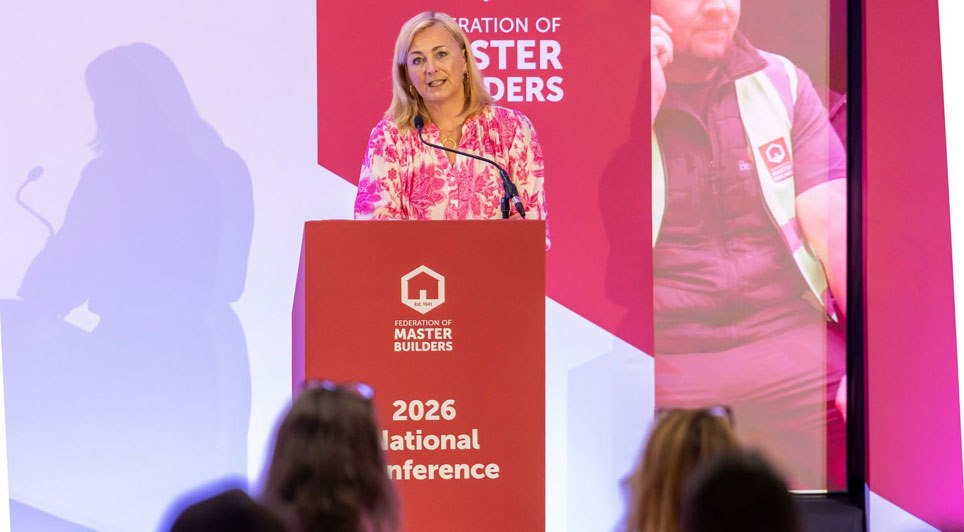
Catherine Storer, Director at Essential Site Skills, said: "Managers are often the first to notice when something isn’t right, but many have never been shown how to handle a conversation involving suicide risk. There's a growing expectation that managers will know what to do, yet suicide-specific training is still not standard in most organisations.
This isn't about turning managers into therapists. It's about giving them the confidence to respond safely, listen without judgement, understand their boundaries, and know where to direct someone for further support when it matters most."
A Safeguarding Issue, Not Just a Wellbeing Initiative
As expectations on employers continue to evolve, organisations are increasingly recognising that supporting managers with appropriate training is not simply a wellbeing initiative, but a safeguarding responsibility.
Equipping managers with the skills to respond confidently and appropriately helps protect individuals at risk, supports those in leadership roles, and reduces uncertainty at the most critical moments.