UK
UK Ireland
 Scotland
 London

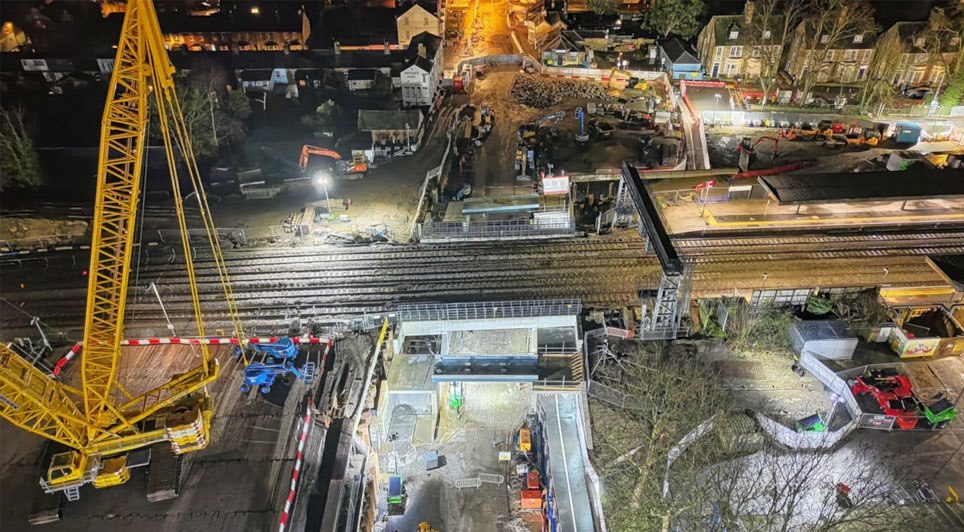
Trains have resumed normal service through the historic Blackheath tunnel between Blackheath and Charlton stations today, Monday, 28 July, following the completion of a pioneering 10-week repair programme.
The essential works on the 175-year-old Victorian structure are expected to significantly improve reliability and safety for passengers.
The South Eastern Railway confirmed that services on the Woolwich and Bexleyheath routes have returned to their normal timetable. During the closure, trains to Cannon Street via Charlton and Blackheath stations were diverted via Greenwich.
Engineers employed a unique strengthening and waterproofing process, believed to be the first of its kind in the UK, and potentially globally. This involved injecting expansive grout into the surrounding sand and gravel to compress and knit the loose material, followed by a further layer of grout applied to the tunnel lining to waterproof the worst-affected areas. These techniques are designed to preserve the brickwork, track, signalling, and other railway equipment for years to come and are now set to be replicated across other parts of the rail network.

David Davidson, Chief Operating Officer for the South Eastern Railway, stated: "Over the last 10-weeks we’ve completed a groundbreaking programme in the tunnel that will improve reliability by strengthening and waterproofing the structure to better protect the railway. Savings from this approach are estimated to be around £10 million and this can be reinvested across the network to deliver more improvements that will keep passengers moving."
He also detailed some of the extensive work carried out, including cleaning soot, replacing thousands of bricks, installing a new tunnel lining, rebuilding drainage systems, and removing "wet beds" – waterlogged sections of track. Davidson thanked customers for their patience during the closure.
The engineering effort involved drilling 1,000 core holes stretching 900 metres, installing 4,000 injection tubes totalling 13 kilometres, and using 55 tonnes of grout. A peak workforce of over 100 people worked day and night, with a tunnel monitoring system detecting movement to 0.01 millimetres.