UK
UK Ireland
 Scotland
 London

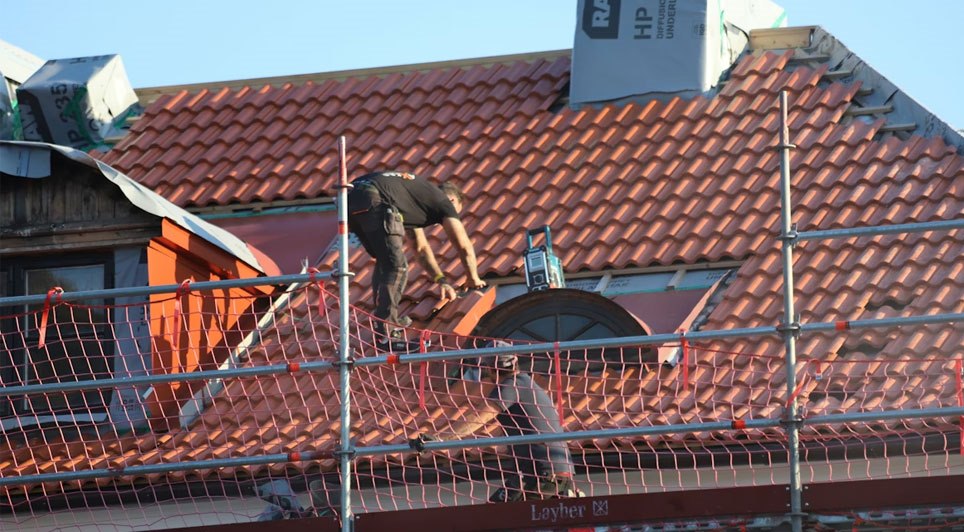
Solar panels have been installed on the roof of Durlston Castle in Dorset.
The new panels are part of the Dorset Council's on-going work in response to the Climate and Ecological Emergency.
The green energy generated by the panels (an expected 24,500-kilowatt hours a year) will help power the visitor centre, café, shop and gallery at Durlston, and is expected to save around six tonnes of CO2e each year. Any unused electricity produced will feed directly into the national grid to be used elsewhere around the country.
The Grade II listed castle is set within Durlston Country Park, a 320-acre country park and nature reserve which forms part of the Jurassic Coast World Heritage Site. The council-owned site receives over a quarter of million visitors a year and has already proven itself as an ideal spot for solar energy generation. In 2010, solar panels were installed on the roof of the park’s learning centre which, over the past 12 years, have saved an impressive 58 tonnes of CO2e.

Katie Black, Senior Ranger at Durlston Country Park, said: "The Durlston National Nature Reserve is one of the country’s most important places for wildlife and plays a key role in Dorset Council’s response to the ecological crisis we are facing.
"These new solar panels will help us contribute to the council's response to the Climate and Ecological Emergency and make sure Durlston's positive impact on the environment is greater than ever."
The addition of solar panels at the castle is just one of many green initiatives being taken to reduce the historic building’s carbon footprint. A new low-carbon heat pump system is set to be installed later this month, and the castle’s old lighting has already been replaced with highly efficient LEDs.