UK
UK Ireland
 Scotland
 London

UCL's new Student Centre has been recognised for its 'Outstanding' sustainability.
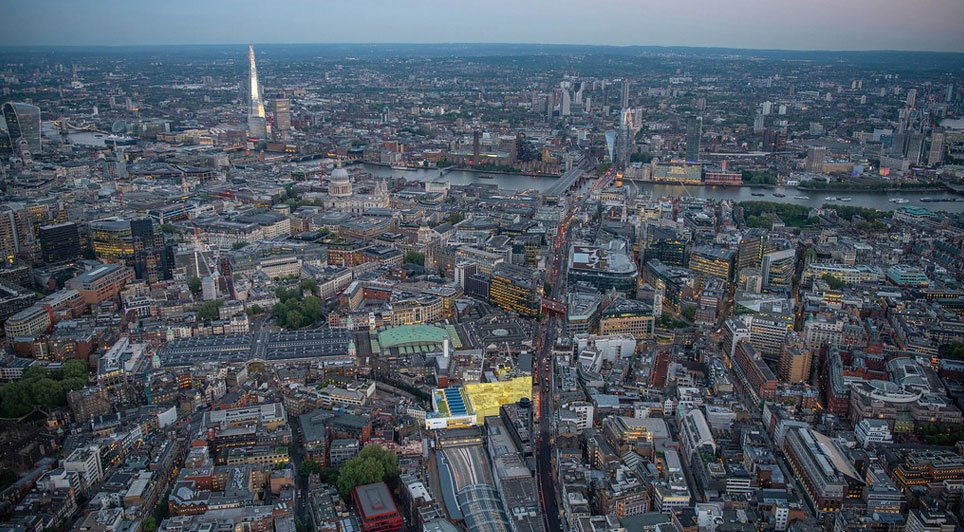
The centre, which was completed by Mace, is located at the heart of UCL's central London campus.
It achieved a BREEAM 'Outstanding' rating reflecting exceptional environmental, social and economic sustainability performance, as well as its sustainable design and construction.
In order to receive 'Outstanding', a building must achieve at least 85% in the body's overall sustainability assessment. UCL's Student Centre, which opened in February 2019, achieved 87.2%. In total, only 320 buildings globally have achieved BREEAM 'Outstanding' to date.
The BREEAM rating considered a range of factors including the building's life cycle, low-carbon construction methods and sustainably sourced raw materials, operational energy and water use, and indoor air quality.
The 5,764 square metre building, designed by Nicholas Hare Architects, includes an array of sustainability features with ground-source heat pumps, natural ventilation features, minimal waste through construction and use of highly durable materials. It also benefits from a Japanese style garden, green roof and 400 square metres of electric solar panels.

As well as reducing UCL's environmental impact, key sustainability features also help to reduce running costs.
These features include:
• 'Passive first' approach to design based on highly efficient building fabric which helps to regulate temperature and minimize energy use
• Projected 35% reduction in building carbon emissions compared to Building Regulations requirements (Part L 2013)
• Approximately 400m2 of photovoltaics (electric solar panels) on the roof provide clean, renewable energy
• A ground source heat pump system linked to deep boreholes provides 'free' summer cooling and also supports heating during the winter
• Windows automatically open to naturally ventilate the building in the spring and autumn
• Efficient sanitary fittings reduce water consumption by more than 50% compared to equivalent buildings
• Healthy and productive study spaces, optimising daylight, indoor air quality and providing a comfortable internal climate
• Highly durable materials will help to minimise resource use associated with maintenance and repairs
• Biodiversity enhancements include planting in the Japanese Garden and a green roof which will also have a positive influence on the microclimate.
The Centre is one of the key projects in Transforming UCL, a £1.25 billion ten-year programme of investment in UCL's estate across London to support the university's continuing growth.