UK
UK Ireland
 Scotland
 London

New figures have predicted the UK's construction growth to stagnate in 2018 due to the impact of the UK leaving the European Union (EU).
The Construction Products Association's (CPA) latest forecast states growth over the next two years will be reliant on the Government's pipeline of infrastructure projects, with output expected to rise 0.7% in 2017 and remain flat in 2018.
However, if spending on infrastructure schemes slows down, the industry faces a 1% fall in output next year.
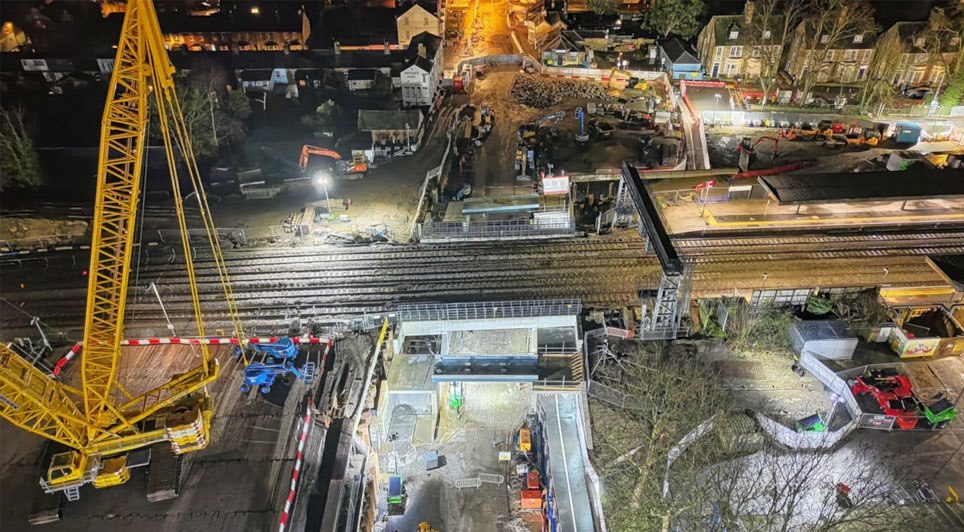
Overall infrastructure activity is forecast to grow 25.4% by 2019 due to major rail and water & sewerage projects, such as HS2 and the £4.2bn Thames Tideway Tunnel.
House building will also continue to be the main driver for growth, with private housing starts rising by 5.0% in 2017 and 2.0% in 2018. This year, the government's Help to Buy equity loan accounted for 40% of new homes in the second quarter and has been a significant policy for supporting building activity.
The CPA said the additional £10bn that government announced for the scheme in October will continue to sustain house building despite the slowdown in the general housing market.

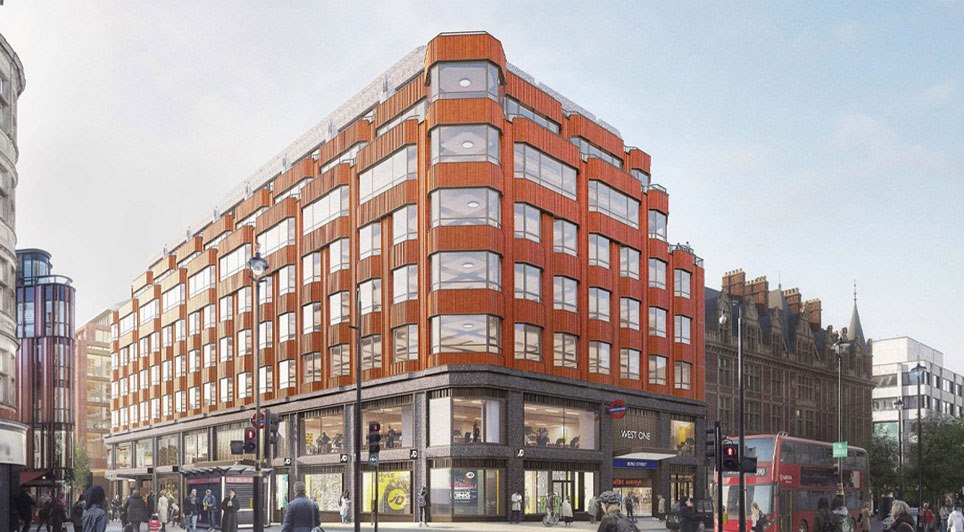
However the steepest drop will be felt in the commercial sector, particularly in the offices sub-sector as EU Referendum-induced wariness among investors has led to a sharp fall in contract awards. Office construction is expected to decline 5.0% in 2017, worsening to a 15.0% decline in 2018. Overall, this is likely to accelerate if it becomes apparent the UK will not remain in the Single Market, with financial services firms choosing to transfer operations out the UK into other EU member states.
Noble Francis, Economics Director at the CPA, said despite activity currently being at a high, the forecast highlights the fall in construction new orders since the second half of 2016 is "now starting to feed through to activity on the ground" as projects scheduled pre-EU referendum are not being replaced.
"This is especially the case in key areas such as the construction of new commercial offices in London, where demand for new high profile office space from the financial sector has slowed considerably," he said.
"The falls in commercial construction may be offset by growth in house building and infrastructure. In house building, government's announcement of £10 billion of additional funding for Help to Buy is forecast to support growth. However, due to the slowdown in the general housing market, particularly in London, house building is only expected to grow by 2.2% in both 2018 and 2019.
"Infrastructure is expected to be major driver of construction activity in the next few years with work on major projects but the sector has been dogged by constant cost overruns and delays. Given that construction activity is forecast to be flat in 2018, if government cannot improve delivery of its infrastructure plans, construction output is likely to decline next year."
(LM)