UK
UK Ireland
 Scotland
 London

Environmental consultancy Thomson Ecology has been working alongside Network Rail and BAM Nuttall during flood alleviation work in Oxford and Leeds.
The company has carried out 'fish rescue' projects on each scheme which involves relocating fish to a new location if their habitat is likely to be affected by building and development work.
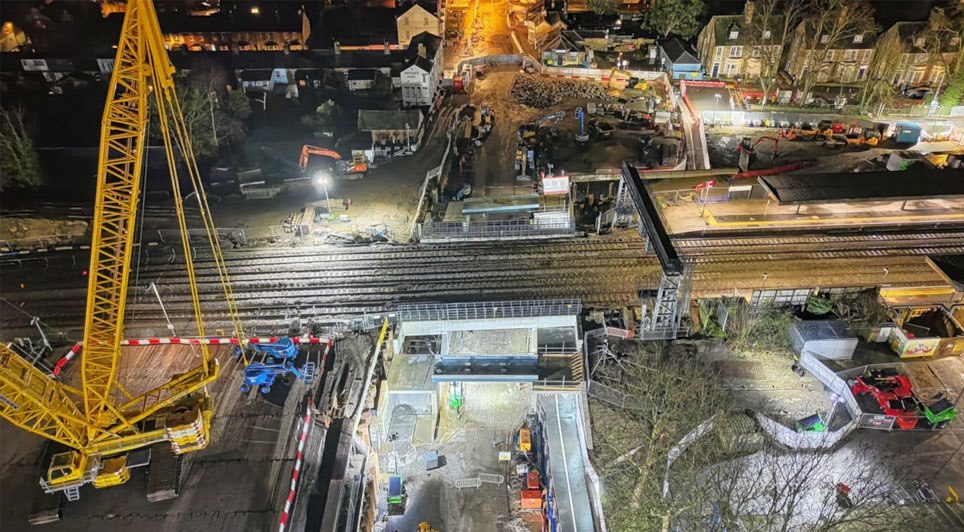
The first project is being carried out with Network Rail at Hinksey near Oxford. Engineers working for the company are installing a new culvert linking two water courses, which aims to reduce the risk of flooding in the area. Works have included increasing the track in height by more than half a metre, with large pipes, or culverts, installed under the railway line to allow water to flow from one side to the other.

As part of the scheme, Network Rail installed coffer dams to isolate and drain the area to facilitate the works. Thomson Ecology's team then safely removed the fish and moved them to a safe area further upstream.
In addition, the consultancy has been working with BAM Nuttall at Knostrop Weir in Yorkshire. The work has involved fish translocation as part of a project to remove an existing fixed weir and install a moveable weir, fish pass and turbine sluice on the River Aire.
Mike Hill, Associate Director at Thomson Ecology, said: "Both these projects have been very worthwhile and we have been able to safely relocate hundreds of fish as part of our work with Network Rail and BAM Nuttall.
"Although the term 'fish rescue' suggests an element of emergency, this does not reflect the careful planning required, which is key to ensuring that fish can be safely moved out of the way of the potential impacts of development work.
"The most common situations where fish translocations are required involve the draining of temporary coffer dams, or isolated parts of watercourses, to allow construction or habitat improvement work within or adjacent to water."
(LM/JP)