UK
UK Ireland
 Scotland
 London

Virtual reality (VR) technology is being used to help redevelop Liverpool Lime Street railway station.
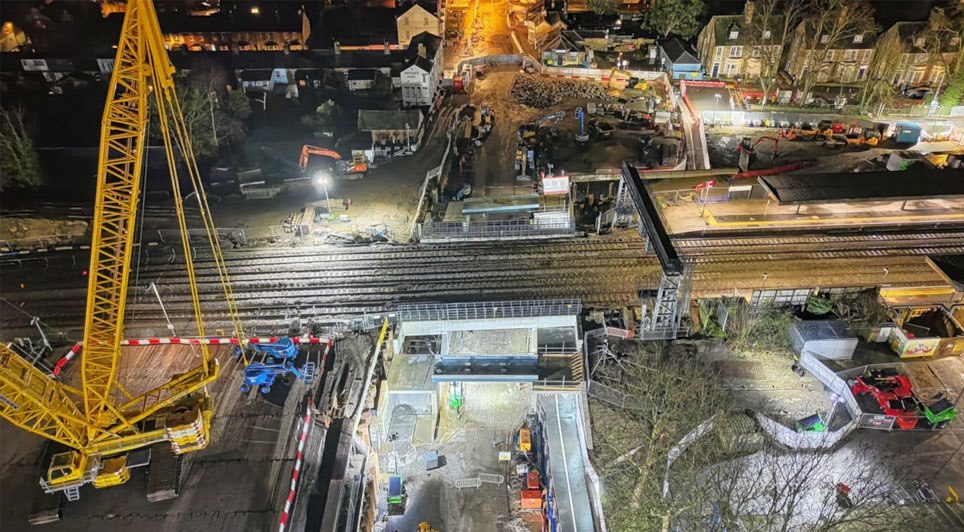
A total of £340 million is being spent by Network Rail to improve the railway for passengers across Merseyside.
Plans include changing the station's platforms' layout and length as well as upgrading signalling. Work to redevelop the station is scheduled to begin in 2017.
In order to save time, money and improve on safety, Network Rail has used VR technology to carry out 4D virtual modelling to prepare for the work.
The software has been developed by Specialist Project Integration and allows planners to avoid overlaps between engineering teams. It also identifies potential risks/hazards which could potentially impact on reopening the railway on time.

Graeme Whitehead, Liverpool Lime Street project manager, said using the technology will benefit passengers, taxpayers and the project's workforce.
"On major projects, where you have people laying track, moving bridges and installing electrical wires overhead, all at the same time, we need precise planning to avoid overlaps that could potentially cause projects to overrun or risk the safety of those working," he said.
"Using this state-of-the-art technology we can spot those clashes before they happen making the project safer and more efficient."
Simon Wray, managing director of Specialist Project Integration, added: "Liverpool Lime Street is the first rail project in Britain to have a virtual reality model at its core.
"A unique feature of the system is that it works on multiple formats including mobile devices. Liverpool Lime Street is also the first project to use Oculus Rift virtual reality technology, which allows for a fully immersive experience for training and engagement."
(LM/CD)