UK
UK Ireland
 Scotland
 London

Growth forecasts for 2016 have been downgraded by construction economists, but forecasts for 2015 have been upgraded and longer-term projections are unaffected.
The Construction Products Association (CPA) is forecasting construction output growth of 5.5% for 2015 and 4.0% for 2016. Two months ago the CPA was forecasting headline growth of 5.3% and 4.2%.
A construction output compound growth rate of 9.72% for this year and next has been calculated for the revised forecast, with 2015 being stronger in terms of predicted growth than 2016. However, CPA economists predict that the 2016 output will pass the figures of the pre-recession peak of 2007.
A compound growth of 17.9% has been predicted by the CPA over the next four years, which is a slight rise from the 17.8% figure predicted 2 months ago.

Other figures released from the spring forecast include infrastructure activity to rise 7.6% in 2015, 9.25% in 2016 and 10.6% in 2017. Private housing is expected to rise 10.5% in 2015 and 5.0% in 2016, with public sector construction to rise 2.4% in 2015 and 5.0% in 2016.
Noble Francis, Economics Director for the CPA, said: "Construction output is forecast to increase 5.5% in 2015, which is more than double the rate of growth for the UK economy, due to growth in the three key sectors of construction; private housing, commercial and infrastructure.
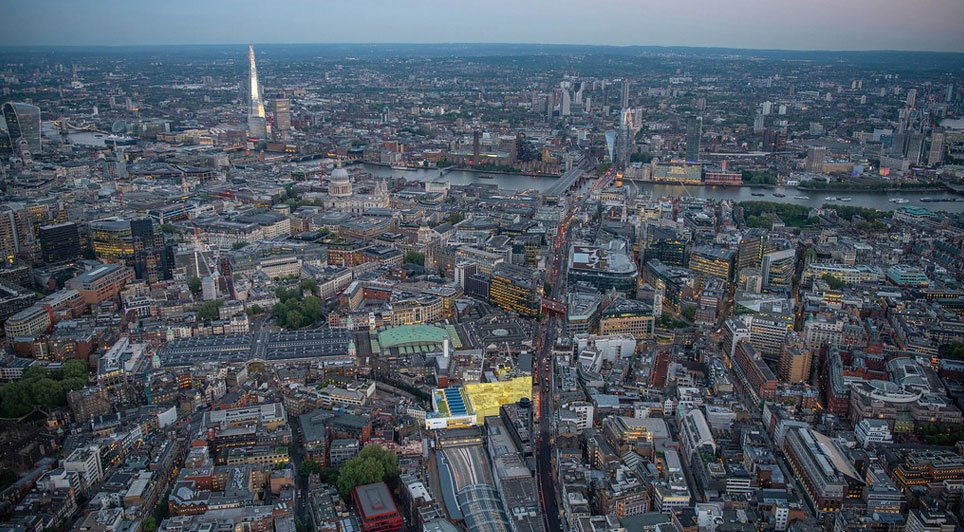
There has been a slowdown in the general housing market but house building continues to drive construction industry growth. After rising 13.3% in 2014, private house building is forecast to increase a further 10.0% to 142,000 new homes in 2015. Commercial construction, worth £22bn each year, is forecast to rise 6.4% in 2015 due to work on major towers in London and also large offices projects in Birmingham and Manchester."
Dr Francis went further to say that an increase in commercial activity is likely to be constrained by a hiatus in business investment this year due to the election. However, Dr Francis also mentioned that one area to be largely unaffected by the election is infrastructure activity, which is expected to increase throughout the forecast period to 2018.
(LM)