UK
UK Ireland
 Scotland
 London

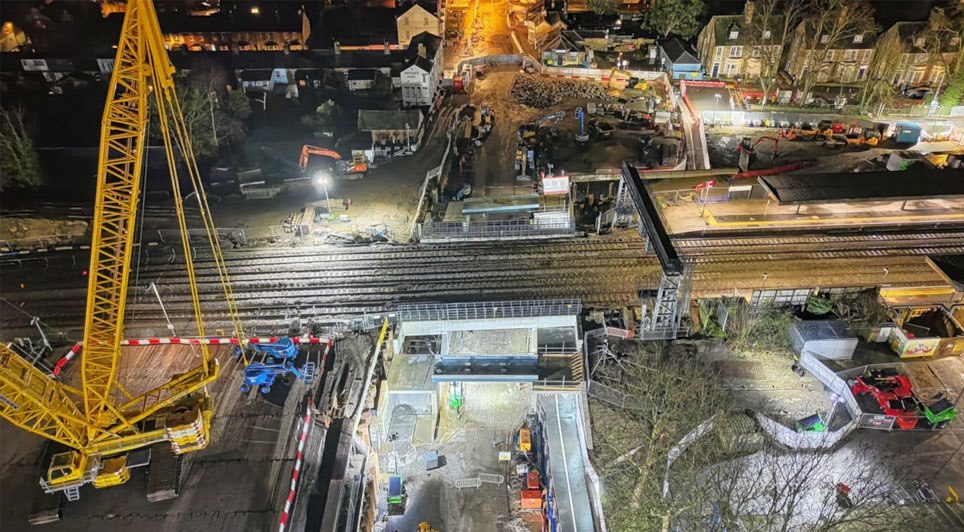
A free public exhibition opened at Farringdon station today, looking at the historic station’s past, present and future, as Network Rail’s project to rebuild it draws to a close.
Charles Dickens and one of his most famous literary creations, Fagin, were on hand to recount tales of Farringdon nearly 150 years ago, when the author used this part of London as inspiration for Fagin’s lair in Oliver Twist.
Farringdon station was the terminus of the world’s first underground railway. The historic station is being given a massive upgrade to preserve its heritage and provide space for new Thameslink and Crossrail services that will make it one of London’s newest transport hubs.
Speaking at the opening of the exhibition, Richard Hodder from Spectrum Drama and Theatre Projects said: "Passengers travelling through Farringdon today may be surprised to know that in the 1800s this area had one of the highest murder rates in the capital, and Turnmill Street – widely regarded as its centre – was nicknamed by locals as 'Little Hell'."

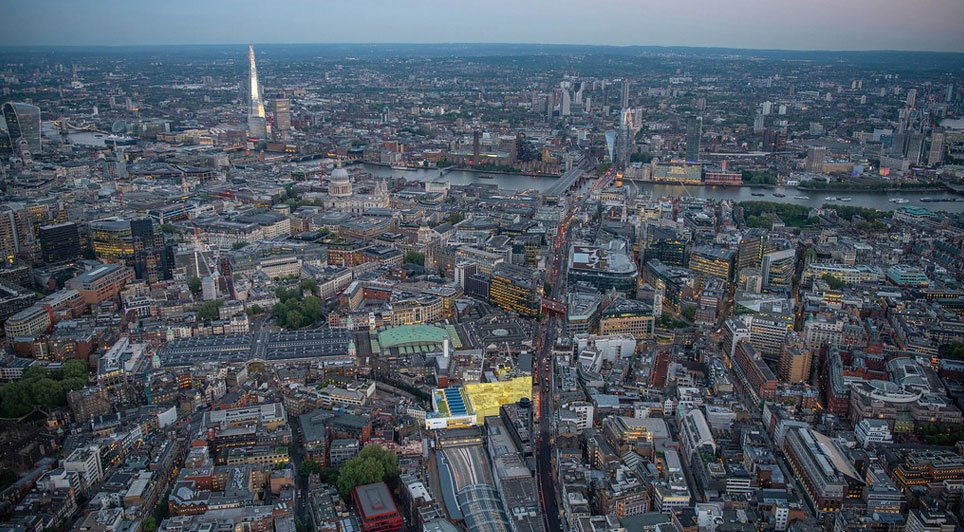
Farringdon today combines its heritage and history with vibrant business and arts communities. The transformation of Farringdon station will continue to make the area a destination in its own right. For the past four and half years Network Rail has been redeveloping Farringdon station as part of the north-south Thameslink Programme. From 2018 Farringdon station will be the only station where Thameslink, Crossrail and Underground services meet. From Farringdon passengers will have the choice to travel north-south, east-west or around London. With 160 trains an hour in the peak it will become the capital’s newest transport hub.
The Farringdon Crossrail station will comprise two underground platforms, each the length of two football pitches, linking two new ticket halls. The western ticket hall will be shared with Thameslink services, and will have an entrance on Cowcross Street, opposite Farringdon Underground station. The eastern ticket hall will have entrances at the Long Lane end of the station, on Lindsey Street and Hayne Street. It will link directly with the existing London Underground platforms at Barbican.
(CD)