UK
UK Ireland
 Scotland
 London

The rail industry today publishes its vision for how it can deliver better value for money and play a key role in driving sustainable economic growth over the period 2014-19.
The Initial Industry Plan (IIP) sets out how the industry could build on recent improvements in cost efficiency and cut the cost of running the railway by £1.3bn per annum by 2019. These savings, combined with growth, could see the annual cost of the railway to the taxpayer reduced. This would be achieved through initiatives already in hand, greater cross-industry collaboration and changes in the way government procures passenger rail services.
By making rail more affordable, the plan gives governments the chance to make choices on the balance between investment, fares and subsidy when taking decisions on future transport policy.

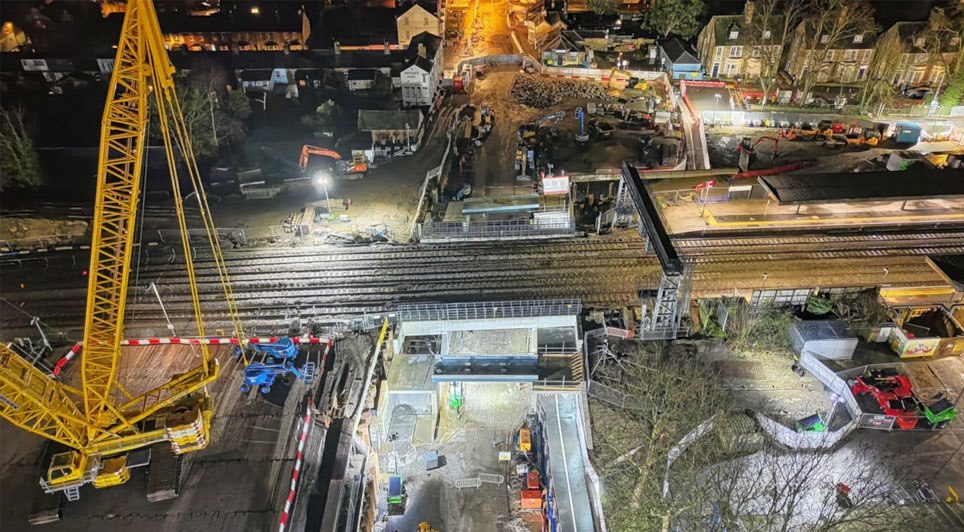
The full range of investment options includes completion of key projects already under way, such as Thameslink, Crossrail and committed electrification schemes, valued at £4.9 billion in the five-year control period to 2019.
It also includes proposals with a value of up to a further £5.6 billion, such as the Northern Hub and electrification of the Midland Main line and North Transpennine. These investment proposals could generate social and economic benefits for the country worth 4.5 times the cost of the schemes.
Paul Plummer, Group Strategy Director, Network Rail said: "The railways are booming with more and more people choosing rail. Closer collaboration within the industry will deliver even more efficiencies. This revenue growth and improved efficiency taken together provide governments with real choices to consider, choices around the appropriate balance between investment, fares and subsidy."
The IIP is the first major step in the process that will inform decisions to be made by governments and the Office of Rail Regulation affecting the railways in control period 5, 2014 to 2019.
(CD)