UK
UK Ireland
 Scotland
 London

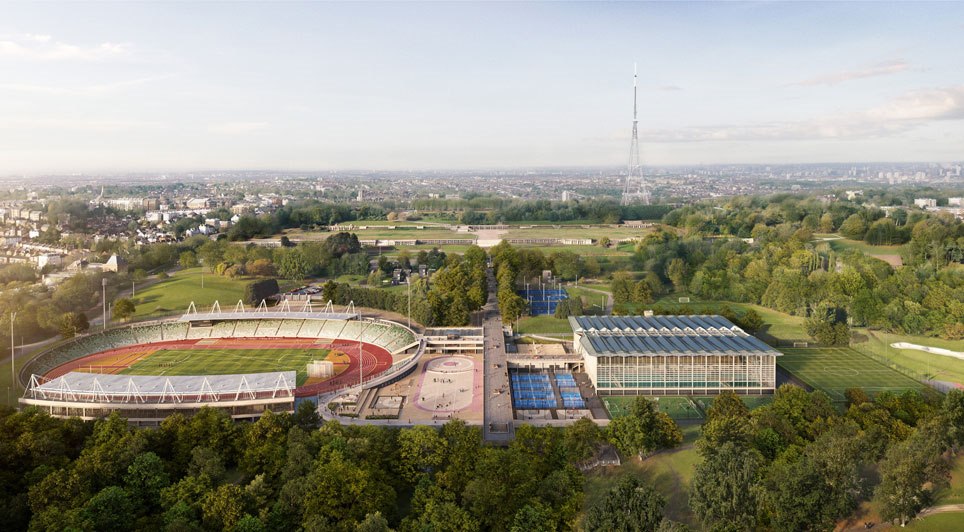
While athletes will be bidding for 'Gold' next year, the methods used in the construction of venues for the Olympic Games aim instead for 'Green'.
The event - which will open at the end of July 2012 - aims to cut the carbon footprint by 100,000 tonnes of carbon emissions.
The procurement of materials and the means of building the mammoth projects have been hailed by the London 2012 Olympic organisers as innovative.
They have published the first environment report for next year's Games.
Organisers say they are on track to deliver the world's first "truly sustainable" event venues and said they also plan to publish a further two reports over the coming two years.

The Committee's Chairman, Lord Coe, outlined what he felt were among the innovative highlights of the London Games.
Before these Games, no-one had cleaned two million tonnes of contaminated soil on-site, the former Olympic champion said.
"No-one had tried to calculate the complete carbon footprint of a Summer Games, and no-one had built an 80,000-seat stadium as light in structure and environmental impact as ours," he enthused.
However, he acknowledged that not everything outlined in the bid documents, submitted to the International Olympic Committee in 2004, was going to be delivered, with plans to build a wind turbine that would have provided about 20% of the site's post-games energy needs have been scrapped.
"The market development for renewables in urban areas has not taken off," he explained but added, overall the organisers had achieved far more in terms of cutting carbon emissions than was envisaged at the outset.
(BMcC/GK)