UK
UK Ireland
 Scotland
 London

Alistair Darling's scrapping of Stamp Duty up to £250,000 for first-time buyers (FTBs) is a huge boost to the housing market, Home Builders' Federation (HBF) said today.
Raising the threshold to £250,000 is something HBF has been demanding for over two years. It will help beleaguered First Time Buyers' (FTBs) struggling to save the large deposits currently being demanded by lenders.
Stewart Baseley, Executive Chairman of the HBF, said: "This Budget is a huge boost to both home buyers and the house building industry. I am pleased the Government has recognised the importance of ensuring that people are able to buy homes."
The Stamp Duty announcement formed part of a package of measures welcomed by the house building industry. Requirements for Local Authorities to identify an adequate supply of developable land and proposals to reduce the regulatory costs placed on housing development are vital if the country is to build its way out of the housing crisis identified by HBF just last week as approaching a shortfall of a million homes. HBF has been demanding such action for years.

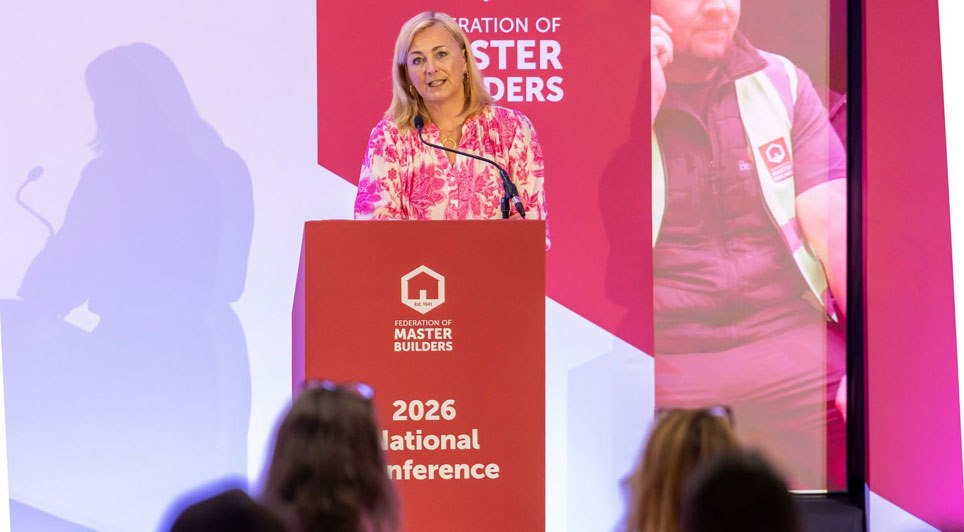
The Federation of Master Builders (FMB) also welcomed the announcement, however it said the chancellor has failed to address the acute shortage of mortgage finance.
Richard Diment, Director General of the FMB said: "Helping first time buyers get on the property ladder is an important step but most people will still struggle to get the funding they need to secure a mortgage despite the Chancellors promise of further lending from state owned banks. The Chancellor could also have taken the opportunity to reform the stamp duty to abolish the slab structure and replace it with a fairer marginal system similar to income tax."
Mr Diment added: "It is disappointing that there wasn’t more emphasis on apprenticeships as these hold the key to prevent a future skills crisis in the building industry. In fact, there is no mention of apprenticeships in the entire Financial Statement and Budget Report, but rather vague commitments to support youth employment. Any investment in key skills must include creating more apprenticeships as they are the key to securing the UK's competitive future."
(CD/GK)