UK
UK Ireland
 Scotland
 London

Galliford Try has made another step in its carbon reduction journey with the deployment of a new digital platform across its Infrastructure projects.
The platform, Qflow, automates data capture and processing by extracting information from delivery and waste tickets, using Artificial Intelligence technology. It enables the business to capture both digital and paper tickets, ensuring complete and accurate capture of data in deliveries and waste transfers.
Collecting data and Goods Received Notes (GRNs) from a diverse supply chain is acknowledged as one of the most challenging areas of reporting embodied carbon in the construction industry.

Through the new system, Galliford Try's suppliers are able to capture GRNs and Waste Transfer Notes (WTNs) by uploading a photograph from their mobile device in real-time at the point of delivery. The tool additionally checks that deliveries meet project-specific requirements, supporting quality and waste compliance, as well as enabling verification of receipt of goods for prompt payment.
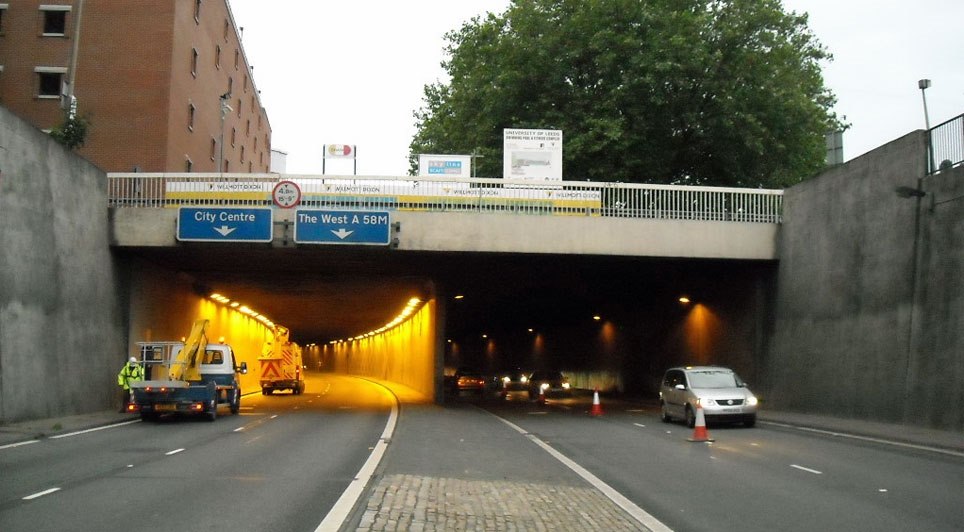
So far, Galliford Try has deployed Qflow on the £85 million scheme to build the new Melton Mowbray Distributor Road, which is being delivered on behalf of Leicestershire County Council. The site has over 10 direct suppliers, each with their own supply chains. Even in the early stages of deployment, the platform is already collecting over 750 GRNs and WTNs per month and this number is expected to grow as the platform is rolled out. This demonstrates the importance and challenge of robust reporting.
Galliford Try's Low Carbon team is additionally working with the Qflow team to build end processing back into the programme to enable reporting in line with client carbon reporting requirements and reduced post processing of data.