UK
UK Ireland
 Scotland
 London

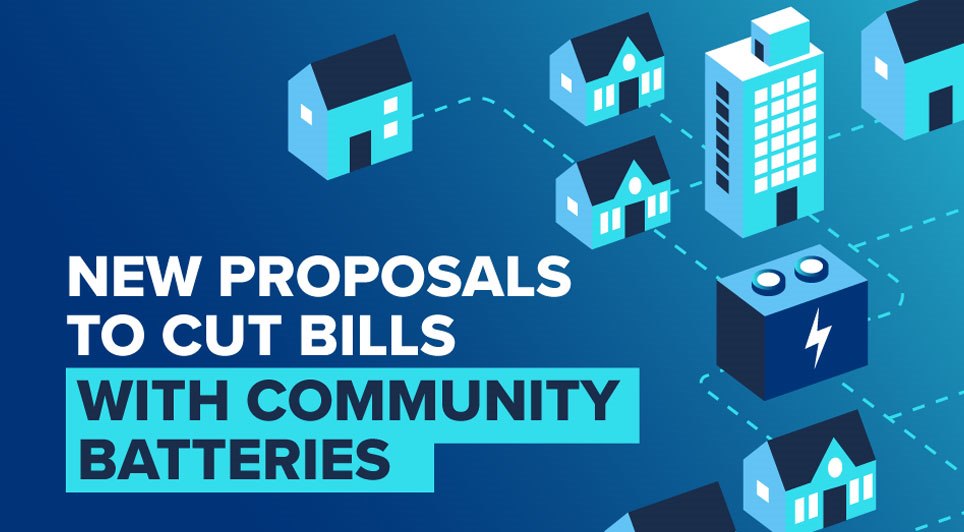
Families and commercial enterprises across the UK could access cheaper electricity through the deployment of community batteries, transitioning clean power ownership to local people and lowering energy costs.
A call for evidence initiated today, Thursday 4 June, aims to address and unlock the barriers preventing the widespread rollout of shared battery storage across the country. The initiative is designed to help local communities store locally generated renewable power and transfer the resulting financial savings directly to households.
Community batteries function by enabling multiple properties to utilise stored electricity. For instance, the systems can capture surplus solar power generated during daylight hours for use later in the day, allowing households to optimise their use of cheap, clean energy and reduce their expenditures.
At present, the UK market for community batteries remains underdeveloped. The newly launched call for evidence will collect feedback on methods to scale up deployment, eliminate commercial and regulatory hurdles, guarantee safety, and ensure the advantages extend to individuals who cannot install private battery systems, including renters and those living in flats.

By transitioning ownership to local populations, communities can secure a direct stake in their energy infrastructure, which helps retain wealth locally, enhance pride in place, and foster long-term regional prosperity. This initiative aligns with a wider government push to support locally-owned clean energy generation assets, such as solar installations on leisure centres, libraries, and community hubs.
Energy Minister Michael Shanks said: "If households are going to feel the full benefit of clean power, we need a more flexible energy system - and community batteries can help deliver it, giving renters and people living in flats the chance to store cheaper renewable electricity and cut their bills.
"This is about putting power back into the hands of local people and ending our reliance on fossil fuel markets driving the affordability crisis – helping communities take control of their energy, build local wealth and restore pride in place."
The announcement arrives alongside ongoing government efforts to implement rules ensuring new-build homes are more cost-effective to run by integrating clean heating and solar panels as standard features. Furthermore, progress is being made on plans to introduce plug-in solar systems to retail stores within months, providing more households with the means to generate their own renewable power and decrease utility costs.
Community batteries operate by absorbing and storing electricity when it is more abundant and less expensive, particularly from renewable resources, before discharging it back into the grid during periods of peak demand. This process helps decrease reliance on costly peak-time electricity while enhancing the overall flexibility of the wider energy system.
International examples, including Australia, demonstrate the scale potential of community batteries, where neighbourhoods regularly store excess solar generation to distribute the benefits across a wider local footprint.