UK
UK Ireland
 Scotland
 London

New figures have revealed activity in the UK's construction sector has fallen at its fastest rate since July 2016.
Despite five months of marginal growth, the latest Markit/CIPS UK Construction Purchasing Managers' Index (PMI) fell from 51.4 in February to 47.0 in March, dipping below the 50.0 no-change threshold for the first time in six months.
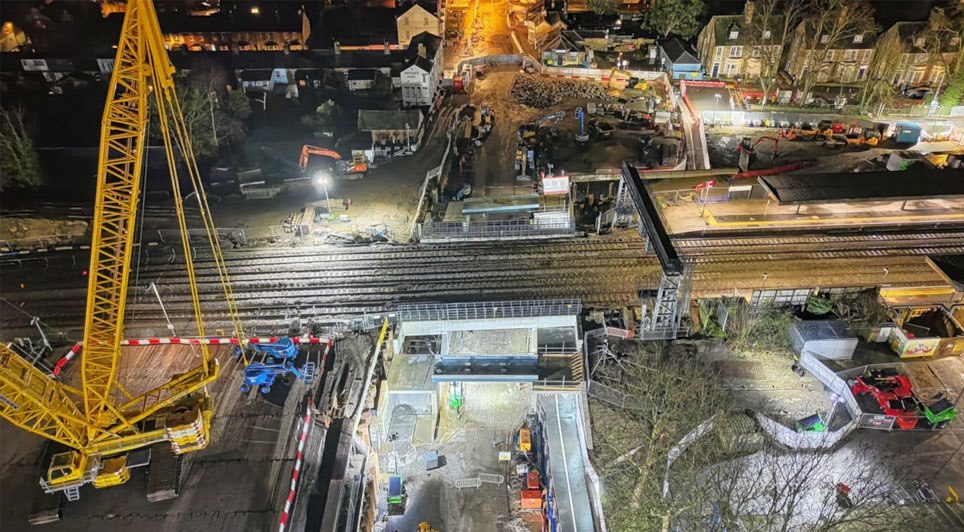
Firms noted that unusually bad weather had affected the drop in output, with snow-related disruption having a particularly negative impact on civil engineering projects as staff availability and activity was affected on site. Overall, civil engineering work fell at its fastest rate for five years in March.
Commercial activity also decreased during the latest survey period, with the rate of decline the most marked since September 2017. Housing bucked the wider trend for construction activity in March, although the latest upturn in residential building was only marginal.
Elsewhere, companies indicated a decline in new business volumes during March, which continued the downward trend seen so far this year. The latest deterioration in new order books was the sharpest since July 2016. Survey respondents noted that subdued underlying demand and, in some cases, weather-related disruption had weighed on sales in March.

However, despite a sustained soft patch for new work latest data revealed that employment growth accelerated to a three-month high, with additional staff hiring attributed to forthcoming project starts and long-term business expansion plans. Yet, sub- contractor availability continued to decline, which contributed to the strongest rise in their average prices charged since September 2017.
Higher raw material costs continued in March, which construction firms linked to increased prices for metals and insulation in particular. However, the overall rate of input cost inflation softened to a 20- month low. Some survey respondents cited a moderation in supplier price rises linked to the weak pound.
Meanwhile, firms indicated that supplier lead-times lengthened to the greatest degree since last July. This was attributed to a combination of stretched supply chain capacity, alongside transport delays following adverse weather in March.
Duncan Brock, Group Director at the Chartered Institute of Procurement & Supply, said: "It's a few years since the UK experienced such bad weather in March and it's obvious that supply chains were woefully unprepared to deal with the disruption. So though March's figures could be viewed as a temporary blip, without a strong pipeline of work, and strong risk strategies in place, the sector's health remains in question as we're still a long way off seeing it operate the way it has over the last year."
Brian Berry, Chief Executive of the Federation of Master Builders, said alongside the snowy weather, the cost of doing business is rising for UK firms.
"Wages and salaries are all rocketing because of the ever worsening skills shortages in construction," he said.
"What's more, material prices have been rising steadily since the depreciation of sterling following the EU referendum. Increased prices for metals and insulation in particular were noted in March.
"We expect material prices to continue to cause a headache for the construction industry with recent research from the FMB showing that 87% of builders believe that material prices will rise in the next six months."
(LM)