UK
UK Ireland
 Scotland
 London

Safety Wise Advice Services
Telephone
Click to view
Contact
Geraldine McGovern
Email
Address
Cornageeragh
Ballinamore
Co Leitrim
Opening Hours
Today
09:00-17:00
View All Hours
Sunday
Closed
Monday
09:00-17:00
Tuesday
09:00-17:00
Wednesday
09:00-17:00
Thursday
09:00-17:00
Friday
09:00-17:00
09:00-17:00
Saturday
Closed
Other Dates
Office is closed on Bank Holidays
About Safety Wise Advice Services
We will help your business to meet its duties and responsibilities under Health and Safety Legislation plus save your business valuable money with reduced Insurance premiums and avoidance of lost time due to Accidents and Incidents in the workplace.
Your Health & Safety Specialist in the North-West of Ireland
Based out of Ballinamore, Co. Leitrim. Safety Wise Advice Services is delighted to offer our consulting, auditing and training services throughout the North-West of Ireland, assisting customers not only in Leitrim but also throughout Sligo, Donegal, Roscommon, Longford, Mayo, Cavan and Monaghan. We also work on projects in Northern Ireland and mainland UK having over 20 years experience in these jurisdictions.
If you have a project outside of these regions, please contact us and we will be happy to assist you.
Online PSCS Training Course
This Course is designed to assist those who carry out the role of PSCS and/or require an understanding of the role and its functions and duties as per the Safety, Health and Welfare (Construction Regulations) 2013.

Advantages of completing the course online
- 24/7 Access, Anytime, Anywhere: Learn at your convenience, 365 days a year. Access the course material at your pace and on your schedule without downtime off-site.
- Flexibility is Key: Complete the course on your terms, at your pace. Whether it’s on your home PC or mobile device, the choice is yours.
- No Travel Hassles: Say goodbye to long journeys to course venues. Learn from the comfort of your preferred environment.
We provide confidential expert advice and guidance on how to meet your Company’s Duties and Responsibilities for Safety, Health and Welfare in the Workplace.
- Expert advice and guidance on how to comply with Statutory Legal Requirements
- Mentoring Facility for Businesses who wish to implement a Safety Management System themselves
- Preparation of Safety Statements, Risk Assessments and Method Statements.
- Workplace Safety Inspections
- Internal Audits (Health and Safety, Quality Assurance)
- Incident Investigation (Accidents, Dangerous Occurances and Work Related Illnesses)
- Preparation, Implementation and Review of Safety Management Systems for Third Party Accreditation such as ISO 45001.
- Preparation, Implementation and Review of Quality Assurance systems for accreditation to ISO 9001:2015
- Assistance in the completion of Pre-Qualification Questionnaires
- Assistance in the preparation of Documentation required for Select Lists and at Tender Stage
- Assessment on the use of VDU (Visual Display Units) and Workstations
CONSTRUCTION SAFETY SERVICESWe assist in the role of PSCS, preparation of Construction Phase H&S Plans,collation of the Site Safety File, common sense Site Safety Inspections.

- Site Inspections
- Safety & Health Plans
- PSCS and PSDP Co-ordination
- Internal Audits
- Incident Investigation (Accidents, Dangerous Occurances and Work Related Illnesses)
- ISO 45001 and Safe T Cert implementation
- ISO 9001:2015 implementation
- Pre-Qualification Questionnaires (PQQ’s)
- Select Lists and Tender Stage documentation
- Design & Build Projects
- On – Site Health and Safety Project Files
- Safety File (Handover Files) for the Client
- Project Supervisor Construction Stage “PSCS” Training
HEALTH & SAFETY TRAINING PROGRAMMES
We deliver a wide variety of quality training programmes tailored to the needs of your Organisation and specific to the tasks carried out in the Workplace.
- Online “Management Duties of the Project Supervisor Construction Stage -PSCS”
- Advice on the Training Needs of your Employees
- Skills Development Programme
- Manual Handling
- Patient/People Handling
- Health and Safety in the Workplace
- Preparation of Safety Statements
- Basic Fire Safety
- Induction Programmes and Toolbox Talks
- Safety Committee training
- Safety Representative training
- Senior Management training
Gallery
Safety Wise Advice Services - Are you doing what it says on your health and safety tin?
Safety Wise Advice Services is celebrating 20 years in Business!
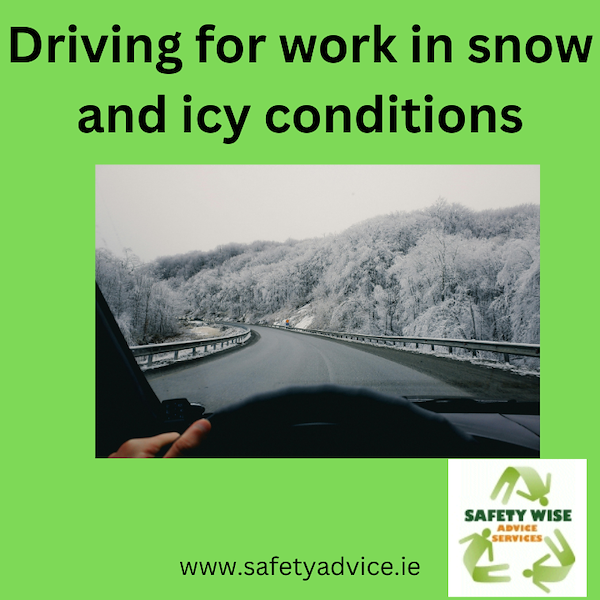
Driving for work in hazardous conditions- snow and ice
How to carry out and record a site safety inspection report on a construction site
Winter Construction Site Safety - Key Tips
Manual Handling Policies, Risk Assessments and Training - the do's and don'ts
Building a Health and Safety Culture: Why Proactive Health and Safety Practices Matter More Than Ever
How to manage health and safety in the workplace during summer months and to protect your workers during this season
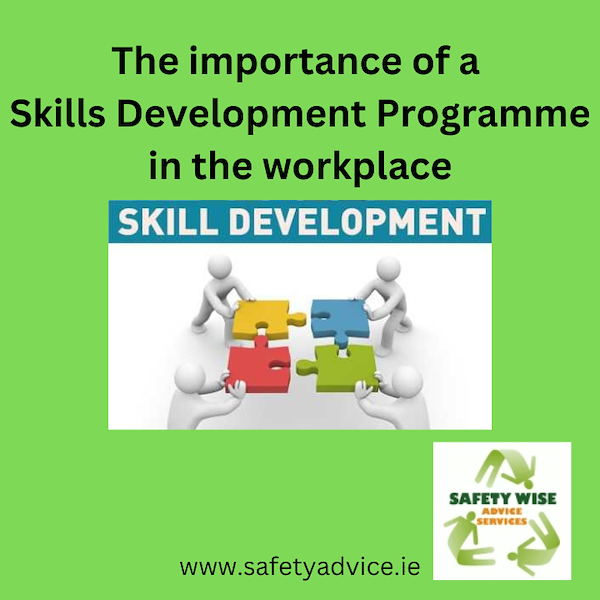
The importance of a Skills Development Programme in the workplace

Importance of Ergonomics in the Workplace - Safety Wise Advice Services
The Importance of a Safety Management System and continuous review
Status Red Weather Warning – Storm Éowyn – What to do - Safety Wise Advice Services

Merry Christmas and a Happy New Year! Safety Wise Advice Services
All work and no play.... we all know this saying and how true it can be, but, "play" can also help reduce symptoms of work related stress.

Merry Christmas and A Happy New Year - Safety Wise Advice Services - Online PSCS Training Course Provider
What is an Organisational Hazard? - Safety Wise Advice Services

Safety Wise Advice Services What is an Environmental Hazard?
What is a Biological Hazard? Safety Wise Advice Services
What is a Chemical Hazard? Safety Wise Advice Services
What is a Physical Hazard?
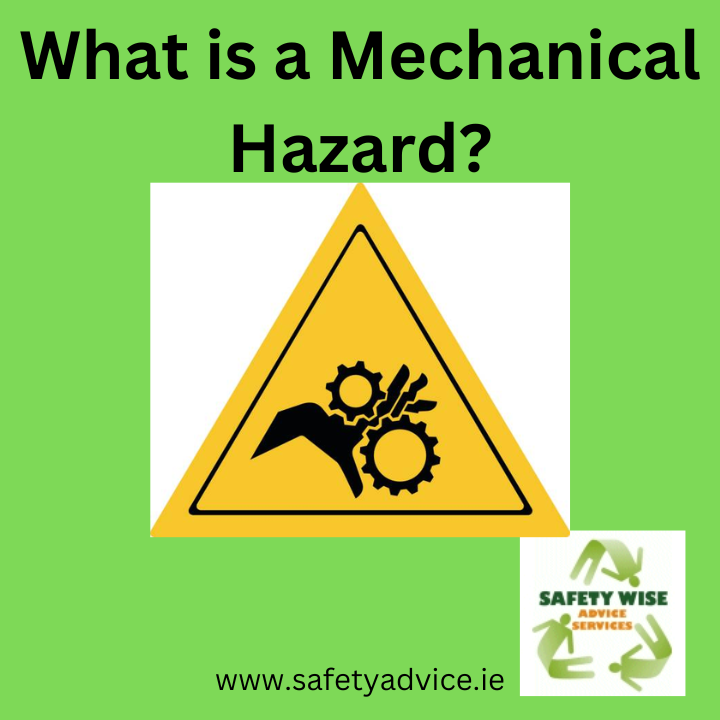
What is a mechanical hazard?
What is a Hazard?

Best of Luck to the Leitrim Ladies in the All-Ireland Intermediate Championship Final!
For full article, visit:
https://safetyadvice.ie/safety-alert/
https://safetyadvice.ie/your-safety-statement-is-it-working/

https://safetyadvice.ie/workers-memorial-day-2024/
https://safetyadvice.ie/happy-st-patricks-day/
https://safetyadvice.ie/is-your-manual-handling-training-specific-to-the-loads-handled-in-your-workplace/
Happy St. Brigid's Day - patron saint of many different occupations
https://safetyadvice.ie/happy-st-brigids-day/
Online Management Duties of the PSCS Training Course https://safetyadvice.ie/pscs-training-course-online/
News
Whilst it is preferable that each business manages their own Health and Safety Management System, an external audit can help identify weaknesses in the system that can be unintentionally overlooked by staff and management of the organisation.
It is part of human nature that when we are looking at the same environment over a prolonged period of time and have an invested interest in it, we can get to a stage where we don’t see what is under our own noses. Especially if nothing particularly untoward has happened, or at least not that we can recognise.
An External Audit can:
Identify poor record keeping. Written or Digital Records are important pieces of evidence which show that required inspections have been carried out e.g. machinery checks, excavations, scaffolding, fire safety equipment and systems.
Identify poor internal and external communication.
Help improve productivity by introducing new systems that help the current system to work more effeciently.
Identify potential breaches of legislative requirements and help get the necessary systems in place for compliance.
Identify poor reporting and investigation of incidents which inevitably lead to a high possibility of a reoccurrence.
Identify training needs.
Assist Senior Management to prepare aims and objectives for the year ahead on how to further improve the safety management system.
Help improve management of subcontractors in terms of assessing their competency before awarding the contract and monitoring their performance afterwards.
What does an External Audit entail?
An external audit involves a visit by a person who is qualified and experienced in auditing safety management systems. The audit has two parts: 1. Documentation and 2. Site Visits. Normally documentation such as the safety statement (or in the case of Northern Ireland, the H&S Policy) is forwarded to the Auditor in advance of the scheduled visits. Some other pertinent documents may also be requested by the Auditor. These documents provide the auditor with pertinent information about the company and its operations.
The Site Visit comprises of an interview with the most Senior person in the organisation, an audit of other selected pieces of documentation (policies, procedures, records etc) and a walk around the premises and any off site places of work. The auditor must be accompanied by a person of authority and given access to employees.
The auditor will forward an audit report highlighting what parts of the safety management system were audited, the weak areas (if any) and recommendations on how to strengthen those areas. They may also highlight what sections of the system are working particularly well.
What is the difference between an Audit and an Inspection?
An Inspection tends to be a snapshot look at what is happening on the spot in an organisation whereas an audit looks at the company operations over a prolonged period of time.
Why choose Safety Wise Advice Services as an external auditor?
Geraldine McGovern is a qualified auditor with over 20 years experience. She has carried out audits on Safety, Quality Control and Environmental Management systems in a wide variety of organisations. She brings a practical and down to earth attitude and approach to her audits with a genuine care and concern for the persons at risk and understands the difficulties of running a business in todays global climate.
Contact us today to discuss having an external audit carried out on your organisation.
It is part of human nature that when we are looking at the same environment over a prolonged period of time and have an invested interest in it, we can get to a stage where we don’t see what is under our own noses. Especially if nothing particularly untoward has happened, or at least not that we can recognise.
An External Audit can:
Identify poor record keeping. Written or Digital Records are important pieces of evidence which show that required inspections have been carried out e.g. machinery checks, excavations, scaffolding, fire safety equipment and systems.
Identify poor internal and external communication.
Help improve productivity by introducing new systems that help the current system to work more effeciently.
Identify potential breaches of legislative requirements and help get the necessary systems in place for compliance.
Identify poor reporting and investigation of incidents which inevitably lead to a high possibility of a reoccurrence.
Identify training needs.
Assist Senior Management to prepare aims and objectives for the year ahead on how to further improve the safety management system.
Help improve management of subcontractors in terms of assessing their competency before awarding the contract and monitoring their performance afterwards.
What does an External Audit entail?
An external audit involves a visit by a person who is qualified and experienced in auditing safety management systems. The audit has two parts: 1. Documentation and 2. Site Visits. Normally documentation such as the safety statement (or in the case of Northern Ireland, the H&S Policy) is forwarded to the Auditor in advance of the scheduled visits. Some other pertinent documents may also be requested by the Auditor. These documents provide the auditor with pertinent information about the company and its operations.
The Site Visit comprises of an interview with the most Senior person in the organisation, an audit of other selected pieces of documentation (policies, procedures, records etc) and a walk around the premises and any off site places of work. The auditor must be accompanied by a person of authority and given access to employees.
The auditor will forward an audit report highlighting what parts of the safety management system were audited, the weak areas (if any) and recommendations on how to strengthen those areas. They may also highlight what sections of the system are working particularly well.
What is the difference between an Audit and an Inspection?
An Inspection tends to be a snapshot look at what is happening on the spot in an organisation whereas an audit looks at the company operations over a prolonged period of time.
Why choose Safety Wise Advice Services as an external auditor?
Geraldine McGovern is a qualified auditor with over 20 years experience. She has carried out audits on Safety, Quality Control and Environmental Management systems in a wide variety of organisations. She brings a practical and down to earth attitude and approach to her audits with a genuine care and concern for the persons at risk and understands the difficulties of running a business in todays global climate.
Contact us today to discuss having an external audit carried out on your organisation.
With over 25 years experience working in health and safety, I am well versed in receiving a “slagging” when I’m asked what do I work at and I tell them “Health and Safety”. I then patiently listen while I’m told their nonsensical experiences of health and safety. And, unfortunately, I have to agree in a number of instances and say “I would not have taken that approach in that situation”.
What it boils down to is a lack of common sense displayed by some (not all) persons in charge of health and safety in the workplace. In the UK, the “jobsworth” attitude has resulted in the phrase ” ‘elf ‘n safety”.
How to bring back a touch of common sense to health and safety
A few simple questions before starting a task or implementing a safety management system:
- What are the hazards? (A hazard is something that has the potential to cause harm)
- What is the risk? is there a risk of fatality, an injury that requires medical attention and/or hospitalisation or a minor injury
- What is the likelihood of an injury occurring? Is it high (very likely), medium (likely) or low (not very likely)
- What control measures can be put in place that reduce the risk so far as is reasonably practicable? i.e. reduce the level of risk to an acceptable level, one that allows progress of work but still offers enough protection of the safety, health and welfare of the employee.
Reasonably practicable
This is the 1 million dollar question. It is important to be able to show how you came to this point. Risk assessments that are recorded in writing and demonstrate the identification of hazards and risks, the considered determination of the level of risk and control measures that are common sense easy to implement and provide a high level of protection are required.
Lack of Knowledge
Sometimes a lack of knowledge leads to situations in the workplace that could be avoided. I have always worked on both sides of the border between Northern Ireland and the Republic. The CSR card is recognised in the Republic of Ireland but I have had workers in Northern Ireland tell me that they were refused entry on to site in the South and had to book and attend a SOLAS Safepass Card training course. This caused unnecessary delay in the progress of works plus additional cost.
Insisting on closing the stable door after the horse has bolted
A few weeks ago, I was chatting with a worker who fits blinds. When he heard what I work at, he immediately said “oh no, you’re not one of those ones!” I let him tell me his experience and I had to agree with him, I would have been very annoyed too if I had been in his situation. He had been working on a construction site in Dublin and the job was 30 minutes away from completion.
The Health and Safety Officer for the site came along, saw him standing on a stepladder and said that he had no certificate to use a ladder on the site. He had to come down off the ladder and attend a 1 hour training course so that he could complete the remainder of the job.
It is important to bear in mind, that his employer had to tender for the job on the site and as part of that tender, they would have had to submit their health and safety documentation (safety statement, site specific risk assessments and method statement and training certificates). The Client then had to assess the competency of the company and either award the contract or not. Site Inductions should have taken place prior to allowing the worker to commence work on site.
Use of Personal Protective Equipment (P.P.E)
I have come across blanket rules for PPE wear. What I mean by this is that all forms of PPE have to be worn on site at all times, not when they are specifically needed to provide protection. This actually increases the risk of injury rather than increasing the level of protection.
For example, glove wear being insisted upon where there is no risk of irritation to the skin, and in fact, the gloves pose a risk of entanglement. Such a situation can occur when using power drills.
Use of Protective glasses being insisted upon when there is very little risk of an object hitting the eye, but the glasses are continuously becoming misted and fogged up and actually obstruct the clear vision of the worker.
These two examples are clear situations where a proper risk assessment is not being carried out (identification of hazards, risk , level of risk assessed and common sense control measures implemented).
If you need some common sense health and safety advice, please get in touch.
What it boils down to is a lack of common sense displayed by some (not all) persons in charge of health and safety in the workplace. In the UK, the “jobsworth” attitude has resulted in the phrase ” ‘elf ‘n safety”.
How to bring back a touch of common sense to health and safety
A few simple questions before starting a task or implementing a safety management system:
- What are the hazards? (A hazard is something that has the potential to cause harm)
- What is the risk? is there a risk of fatality, an injury that requires medical attention and/or hospitalisation or a minor injury
- What is the likelihood of an injury occurring? Is it high (very likely), medium (likely) or low (not very likely)
- What control measures can be put in place that reduce the risk so far as is reasonably practicable? i.e. reduce the level of risk to an acceptable level, one that allows progress of work but still offers enough protection of the safety, health and welfare of the employee.
Reasonably practicable
This is the 1 million dollar question. It is important to be able to show how you came to this point. Risk assessments that are recorded in writing and demonstrate the identification of hazards and risks, the considered determination of the level of risk and control measures that are common sense easy to implement and provide a high level of protection are required.
Lack of Knowledge
Sometimes a lack of knowledge leads to situations in the workplace that could be avoided. I have always worked on both sides of the border between Northern Ireland and the Republic. The CSR card is recognised in the Republic of Ireland but I have had workers in Northern Ireland tell me that they were refused entry on to site in the South and had to book and attend a SOLAS Safepass Card training course. This caused unnecessary delay in the progress of works plus additional cost.
Insisting on closing the stable door after the horse has bolted
A few weeks ago, I was chatting with a worker who fits blinds. When he heard what I work at, he immediately said “oh no, you’re not one of those ones!” I let him tell me his experience and I had to agree with him, I would have been very annoyed too if I had been in his situation. He had been working on a construction site in Dublin and the job was 30 minutes away from completion.
The Health and Safety Officer for the site came along, saw him standing on a stepladder and said that he had no certificate to use a ladder on the site. He had to come down off the ladder and attend a 1 hour training course so that he could complete the remainder of the job.
It is important to bear in mind, that his employer had to tender for the job on the site and as part of that tender, they would have had to submit their health and safety documentation (safety statement, site specific risk assessments and method statement and training certificates). The Client then had to assess the competency of the company and either award the contract or not. Site Inductions should have taken place prior to allowing the worker to commence work on site.
Use of Personal Protective Equipment (P.P.E)
I have come across blanket rules for PPE wear. What I mean by this is that all forms of PPE have to be worn on site at all times, not when they are specifically needed to provide protection. This actually increases the risk of injury rather than increasing the level of protection.
For example, glove wear being insisted upon where there is no risk of irritation to the skin, and in fact, the gloves pose a risk of entanglement. Such a situation can occur when using power drills.
Use of Protective glasses being insisted upon when there is very little risk of an object hitting the eye, but the glasses are continuously becoming misted and fogged up and actually obstruct the clear vision of the worker.
These two examples are clear situations where a proper risk assessment is not being carried out (identification of hazards, risk , level of risk assessed and common sense control measures implemented).
If you need some common sense health and safety advice, please get in touch.
By health and safety tin, I mean the Safety Statement for the business or in the case of Northern Ireland, the Health and Safety Policy.
20 years ago this month, I embarked on self employment as a Health and Safety Advisor, Auditor and Trainer. I have worked mostly with micro, small and medium sized businesses and although I have carried out work in the big smoke of Dublin, I am primarily working with rural based organisations.
One typical set up I have come across is this, a husband and wife owned family business. The wife works in the office and manages all the documentation for the company including health and safety. The husband works on site and is the Site Foreman/Manager. If the paperwork makes it out to site, it is more often than not, in pristine condition and filed away in a cabinet. I can ask the Site Foreman about different aspects of the documents and get a reply “the wife deals with that”.
The fact that the wife is in the office which could be up to 60 miles away from the site doesn’t seem to cause any concern or distress to the husband. He just doesn’t seem to have the awareness that he has a responsibility to know what is in the documents and make sure that safety policies and procedures are being implemented on site and that necessary records are being completed.
Next, I do my walk around the site, sometimes only minor issues arise but sometimes huge glaring red flags wave at me. On one occasion I had to tell the Site Foreman to get a chainsaw and cut up every last scaffolding plank that was on the site, their condition was so bad.
It was “the wife” who had requested me to visit the company and carry out the inspection. To her credit, she was being proactive, she had been on a health and safety training course and had the awareness of needing to have all the dots joined in advance of an external audit by a Certification body. And so, it was back to her in the office that I travelled to deliver my findings.
I dont think that she believed me when I told her about the state of the scaffolding planks. It was a bit of an awkward situation whereby I had to tell her that her husband was not carrying out pre-use checks or weekly checks on the important equipment. But I have my code of ethics and the truth had to be told. I confirmed my findings in my report and communication of same and left the domestics of the situation to the owners of the business!
Please contact me if you would like some assistance or guidance in doing what it says on your health and safety tin.
20 years ago this month, I embarked on self employment as a Health and Safety Advisor, Auditor and Trainer. I have worked mostly with micro, small and medium sized businesses and although I have carried out work in the big smoke of Dublin, I am primarily working with rural based organisations.
One typical set up I have come across is this, a husband and wife owned family business. The wife works in the office and manages all the documentation for the company including health and safety. The husband works on site and is the Site Foreman/Manager. If the paperwork makes it out to site, it is more often than not, in pristine condition and filed away in a cabinet. I can ask the Site Foreman about different aspects of the documents and get a reply “the wife deals with that”.
The fact that the wife is in the office which could be up to 60 miles away from the site doesn’t seem to cause any concern or distress to the husband. He just doesn’t seem to have the awareness that he has a responsibility to know what is in the documents and make sure that safety policies and procedures are being implemented on site and that necessary records are being completed.
Next, I do my walk around the site, sometimes only minor issues arise but sometimes huge glaring red flags wave at me. On one occasion I had to tell the Site Foreman to get a chainsaw and cut up every last scaffolding plank that was on the site, their condition was so bad.
It was “the wife” who had requested me to visit the company and carry out the inspection. To her credit, she was being proactive, she had been on a health and safety training course and had the awareness of needing to have all the dots joined in advance of an external audit by a Certification body. And so, it was back to her in the office that I travelled to deliver my findings.
I dont think that she believed me when I told her about the state of the scaffolding planks. It was a bit of an awkward situation whereby I had to tell her that her husband was not carrying out pre-use checks or weekly checks on the important equipment. But I have my code of ethics and the truth had to be told. I confirmed my findings in my report and communication of same and left the domestics of the situation to the owners of the business!
Please contact me if you would like some assistance or guidance in doing what it says on your health and safety tin.
20 years in business! This month marks 20 years since I established my own business and became self employed. In one way, it does feel like 20 years and in another way it is hard to believe it has been 20 years. I had been working as a Health and Safety Officer for a construction company across the border in Northern Ireland and an opportunity came up to work as an Auditor. And so, I made the huge leap.
2006 was still in the Celtic Tiger era, the building boom was on. Construction was my specialised area and so, there was plentiful work as a Health and Safety Advisor, Auditor and Trainer. I still maintained my skills in other Industries too. Leitrim County Enterprise Board as it was known back then, was a great source of information for new business owners. I attended courses on Setting up your Own Business, doing your own accounts and tax returns, website creation and blogging to name but a few. I was also able to avail of mentoring in various topics. It was great to be able to tap in to the wealth of knowledge that these trainers and mentors had.
Back then, there was a lot of physical travelling. We were still in an age of going out to meet people and companies in person. Between my own personal travels and travelling for work, I can proudly say that I have been in every county on the island of Ireland. I would not be able to keep up that level of mileage nowadays! I am 20 years older and now have family commitments that I didn’t have back then.
It hasnt always been plain sailing. The economic crash of 2008 was a turning point. Construction literally came to almost a full stop which meant that area of work was slow, very slow. But overall, every business found the crash was a challenge. I am proud to say that I stuck it out, came through it and am still here today!
I have always been completely honest and if I see something that feels like a high risk of potential injury to someone, I will say it. As the messenger, I have on occasion been shot and this resulted in loss of a small number of contracts, but I can say that I can happily look myself in the mirror everyday. I also have a great deal of wisdom now that no younger person has when they start out on their career in life.
Stress can be a factor in human relations also, work related stress can impact on home lives and similarly, personal stress can impact on work lives and so, everyone at work needs to accept that. Dont take things personally is sage advice!
As a woman who decided to have children, this decision impacted my working life too. I was lucky enough to be able to avail of some maternity benefit, I must have had enough “stamps” paid the previous year. I never directly employed anyone during my years in business but have been lucky enough to have made a network of trusty people that I could subcontract some pieces of work to if and when needed.
Childcare, pre-school hours, primary school and so on also affect self employment, especially if you are a primary carer and so you have to adapt. I was one of the few businesses in Ireland that had an established online training course BEFORE the pandemic. Thanks to the Leitrim Local Enterprise Office and contacts made through the Leitrim Business Network and my own hard work, I created an online “management duties of the PSCS Training” course and published it in 2016. That course is still available today and remains very popular with construction companies.
As I mentioned earlier in the post, physical travelling has greatly reduced in my business. Online training, remote contact via phone, video and email have meant that it isnt always necessary to leave the office. As a business owner advances in years, it is necessary to tailor your business and adapt to circumstances. It is so important to evaluate what the return is from a proposed job.
For example, a very highly paid contract may come up in Dublin which requires travelling there, but does the fee cover the time spent driving there, time spent in traffic, and the impact on your own health and family life?
As a one man band, not only do I provide health and safety advice, carry out audits and deliver training, but I am an administrator, receptionist, accountant, IT expert and office cleaner! Although hubs are now available for self employed persons to share an office and provide some human contact during the work day aswell as high speed broadband and other facilities, I find that the home office still suits me best for the majority of the time.
Overall, I look back on my 20 years to date as being highly rewarding. I have met some great people, I have built up a base of long term clients that I enjoy working with and I have been able to build my own house, pay the mortgage and rear my family.
Many thanks to all the people and organisations that helped me to establish and maintain my Health and safety business thus far and here to the next 15
2006 was still in the Celtic Tiger era, the building boom was on. Construction was my specialised area and so, there was plentiful work as a Health and Safety Advisor, Auditor and Trainer. I still maintained my skills in other Industries too. Leitrim County Enterprise Board as it was known back then, was a great source of information for new business owners. I attended courses on Setting up your Own Business, doing your own accounts and tax returns, website creation and blogging to name but a few. I was also able to avail of mentoring in various topics. It was great to be able to tap in to the wealth of knowledge that these trainers and mentors had.
Back then, there was a lot of physical travelling. We were still in an age of going out to meet people and companies in person. Between my own personal travels and travelling for work, I can proudly say that I have been in every county on the island of Ireland. I would not be able to keep up that level of mileage nowadays! I am 20 years older and now have family commitments that I didn’t have back then.
It hasnt always been plain sailing. The economic crash of 2008 was a turning point. Construction literally came to almost a full stop which meant that area of work was slow, very slow. But overall, every business found the crash was a challenge. I am proud to say that I stuck it out, came through it and am still here today!
I have always been completely honest and if I see something that feels like a high risk of potential injury to someone, I will say it. As the messenger, I have on occasion been shot and this resulted in loss of a small number of contracts, but I can say that I can happily look myself in the mirror everyday. I also have a great deal of wisdom now that no younger person has when they start out on their career in life.
Stress can be a factor in human relations also, work related stress can impact on home lives and similarly, personal stress can impact on work lives and so, everyone at work needs to accept that. Dont take things personally is sage advice!
As a woman who decided to have children, this decision impacted my working life too. I was lucky enough to be able to avail of some maternity benefit, I must have had enough “stamps” paid the previous year. I never directly employed anyone during my years in business but have been lucky enough to have made a network of trusty people that I could subcontract some pieces of work to if and when needed.
Childcare, pre-school hours, primary school and so on also affect self employment, especially if you are a primary carer and so you have to adapt. I was one of the few businesses in Ireland that had an established online training course BEFORE the pandemic. Thanks to the Leitrim Local Enterprise Office and contacts made through the Leitrim Business Network and my own hard work, I created an online “management duties of the PSCS Training” course and published it in 2016. That course is still available today and remains very popular with construction companies.
As I mentioned earlier in the post, physical travelling has greatly reduced in my business. Online training, remote contact via phone, video and email have meant that it isnt always necessary to leave the office. As a business owner advances in years, it is necessary to tailor your business and adapt to circumstances. It is so important to evaluate what the return is from a proposed job.
For example, a very highly paid contract may come up in Dublin which requires travelling there, but does the fee cover the time spent driving there, time spent in traffic, and the impact on your own health and family life?
As a one man band, not only do I provide health and safety advice, carry out audits and deliver training, but I am an administrator, receptionist, accountant, IT expert and office cleaner! Although hubs are now available for self employed persons to share an office and provide some human contact during the work day aswell as high speed broadband and other facilities, I find that the home office still suits me best for the majority of the time.
Overall, I look back on my 20 years to date as being highly rewarding. I have met some great people, I have built up a base of long term clients that I enjoy working with and I have been able to build my own house, pay the mortgage and rear my family.
Many thanks to all the people and organisations that helped me to establish and maintain my Health and safety business thus far and here to the next 15
Driving for Work in Hazardous Road Conditions: Managing Snow and Ice Risks On and Off the Road
Driving for work in hazardous conditions such as snow and ice, brings increased health and safety risks. However, the risk does not start when an employee reaches the public highway — it begins much earlier, often within the company’s own yard, car park, or footpaths around the premises. From a health and safety perspective, employers must manage winter hazards both on-site and during work-related journeys.
Road traffic incidents remain one of the leading causes of work-related fatalities, and poor winter conditions significantly increase this risk. Effective planning and risk control are essential.
Employer Health and Safety Responsibilities
Employers have a legal duty of care to protect employees and others who may be affected by work activities, including driving for work and accessing or leaving the workplace. This duty applies regardless of whether employees use company vehicles or their own vehicles for work purposes.
Risk assessments must consider:
Snow and ice on public roads
Slippery surfaces in company yards and car parks
Icy footpaths, steps, and pedestrian routes
Reduced visibility and extended stopping distances
If risks cannot be adequately controlled, employers should question whether travel is necessary at all.
Winter Hazards in Company Yards, Car Parks, and Footpaths
Slips, trips, and falls are a major cause of workplace injury during icy conditions. Company premises can become hazardous very quickly if winter weather is not actively managed.
Key risk areas include:
Vehicle manoeuvring areas in yards
Car parks with untreated ice
Pedestrian walkways and footpaths
Loading bays, steps, and entrances
Employers should implement winter control measures such as:
Gritting and snow clearance procedures
Clearly defined pedestrian routes
Adequate lighting during darker winter months
Regular inspections during freezing conditions
Responsibility for winter maintenance should be clearly assigned and documented.
Vehicle Safety and Winter Readiness
Vehicles used for work must be suitable for winter conditions. Poor vehicle condition significantly increases the risk of accidents on snow and ice.
Best practice includes:
Ensuring tyres have adequate tread depth and correct pressure
Using winter tyres where appropriate
Maintaining brakes, lights, and windscreen systems
Providing ice scrapers, de-icer, and emergency kits
Employers should ensure company vehicles are properly maintained and consider checks on employee-owned vehicles used for work.
Safe Driving Practices in Snow and Ice
Even experienced drivers can struggle in winter conditions. Clear guidance and training are essential.
Key winter driving principles include:
Reducing speed and allowing extra journey time
Increasing following and stopping distances
Avoiding sudden braking, acceleration, or steering
Being cautious on slopes, bridges, and shaded roads
Driver training or refresher instruction can significantly reduce winter-related incidents.
Knowing When Not to Drive
One of the most important safety controls is the decision not to travel. If snow and ice create unacceptable risk, journeys should be postponed, cancelled, or replaced with remote working where possible.
Employers should have clear policies confirming that employees will not be penalised for refusing to drive in unsafe conditions.
The Project Supervisor Construction Stage (PSCS) must ensure that weather conditions are taken into account in the Construction Health and Safety Plan and updated as the weather conditions change. Scaffolds may become too slippery to walk on.
The local meteorological service should be consulted for weather updates and warnings. In the Republic of Ireland for example, Met Eireann.
Conclusion
Driving for work in snow and icy conditions presents serious and foreseeable risks, both on public roads and within workplace premises. From icy car parks to hazardous footpaths and treacherous winter roads, these risks must be assessed and controlled.
By managing on-site winter hazards, maintaining vehicles, supporting safe driving decisions, and prioritising employee welfare, organisations can significantly reduce the likelihood of winter-related accidents. No deadline or delivery is worth risking serious injury or loss of life.
If you need more information on preparing a Diving for Work policy for your workplace or business, please do not hesitate to contact me.
Driving for work in hazardous conditions such as snow and ice, brings increased health and safety risks. However, the risk does not start when an employee reaches the public highway — it begins much earlier, often within the company’s own yard, car park, or footpaths around the premises. From a health and safety perspective, employers must manage winter hazards both on-site and during work-related journeys.
Road traffic incidents remain one of the leading causes of work-related fatalities, and poor winter conditions significantly increase this risk. Effective planning and risk control are essential.
Employer Health and Safety Responsibilities
Employers have a legal duty of care to protect employees and others who may be affected by work activities, including driving for work and accessing or leaving the workplace. This duty applies regardless of whether employees use company vehicles or their own vehicles for work purposes.
Risk assessments must consider:
Snow and ice on public roads
Slippery surfaces in company yards and car parks
Icy footpaths, steps, and pedestrian routes
Reduced visibility and extended stopping distances
If risks cannot be adequately controlled, employers should question whether travel is necessary at all.
Winter Hazards in Company Yards, Car Parks, and Footpaths
Slips, trips, and falls are a major cause of workplace injury during icy conditions. Company premises can become hazardous very quickly if winter weather is not actively managed.
Key risk areas include:
Vehicle manoeuvring areas in yards
Car parks with untreated ice
Pedestrian walkways and footpaths
Loading bays, steps, and entrances
Employers should implement winter control measures such as:
Gritting and snow clearance procedures
Clearly defined pedestrian routes
Adequate lighting during darker winter months
Regular inspections during freezing conditions
Responsibility for winter maintenance should be clearly assigned and documented.
Vehicle Safety and Winter Readiness
Vehicles used for work must be suitable for winter conditions. Poor vehicle condition significantly increases the risk of accidents on snow and ice.
Best practice includes:
Ensuring tyres have adequate tread depth and correct pressure
Using winter tyres where appropriate
Maintaining brakes, lights, and windscreen systems
Providing ice scrapers, de-icer, and emergency kits
Employers should ensure company vehicles are properly maintained and consider checks on employee-owned vehicles used for work.
Safe Driving Practices in Snow and Ice
Even experienced drivers can struggle in winter conditions. Clear guidance and training are essential.
Key winter driving principles include:
Reducing speed and allowing extra journey time
Increasing following and stopping distances
Avoiding sudden braking, acceleration, or steering
Being cautious on slopes, bridges, and shaded roads
Driver training or refresher instruction can significantly reduce winter-related incidents.
Knowing When Not to Drive
One of the most important safety controls is the decision not to travel. If snow and ice create unacceptable risk, journeys should be postponed, cancelled, or replaced with remote working where possible.
Employers should have clear policies confirming that employees will not be penalised for refusing to drive in unsafe conditions.
The Project Supervisor Construction Stage (PSCS) must ensure that weather conditions are taken into account in the Construction Health and Safety Plan and updated as the weather conditions change. Scaffolds may become too slippery to walk on.
The local meteorological service should be consulted for weather updates and warnings. In the Republic of Ireland for example, Met Eireann.
Conclusion
Driving for work in snow and icy conditions presents serious and foreseeable risks, both on public roads and within workplace premises. From icy car parks to hazardous footpaths and treacherous winter roads, these risks must be assessed and controlled.
By managing on-site winter hazards, maintaining vehicles, supporting safe driving decisions, and prioritising employee welfare, organisations can significantly reduce the likelihood of winter-related accidents. No deadline or delivery is worth risking serious injury or loss of life.
If you need more information on preparing a Diving for Work policy for your workplace or business, please do not hesitate to contact me.
Safety Wise Advice Services would like to wish everyone working in the construction industry, a happy, safe and prosperous new year. May the year 2026 be one of the best years yet!
Safety Wise Advice Services would like to wish everyone who works in the Construction Industry a Happy and Safety Christmas!
In this post, we will explain how to carry out and record a Site Safety Inspection on a construction site.
While ongoing daily checks and pre-use checks are vital on a construction site. 7 day checks must be recorded also. It is advisable to have a Site Safety Inspection form that can be used to record all of the items checked on the site and the outcome of the inspection, for example “is further action required?”.
The HSA (Health and Safety Authority) has template forms that can be used for weekly checks on Lifting equipment, work at heights and excavations. An inspection form specific to scaffolds is also available.
At this link https://safetyadvice.ie/site-safety-inspection/ is an image of a sample Site Safety Inspection Report form that can be used on a general construction site. It references Northern Irish terms such as RIDDOR and the NI10 form, but the form can be tailored to Republic of Ireland terms also.
I am conscious that this is an old school, hard copy Site Inspection Report form that can be printed off or photocopied and notes can be handwritten on it. Online forms can of course be used to record inspections. It really depends on what format is of most ease for your business to use.
Health and safety documentation as well as structures, traffic routes and equipment need to inspected. It is important that the person carrying out the inspection has the necessary skills, knowledge, awareness, training and experience to carry out and record the inspection. While also recognising that this person may not be competent to inspect every part of the site e.g. scaffold and lifting equipment, they can still check that those particular inspections have been carried out and recorded by the relevant and designated competent person.
The observations must be recorded:
- is everything in place that should be or is further action required?
- If further action is required, what is the action?
- who needs to take the action and by what date?
- Is it urgent – does the work need to stop there and then?
- What happens the Site Safety Inspection form?
The report must be a live document. The observations and recommendations need to be circulated to the persons affected. Affected persons can be the site workers, the Site Foreman, the PSCS Co-ordinator, the Project manager, the Client and so on.
If an issue is recurring on several site safety inspection reports, then this need to be investigated. Why is there a pattern of issues arising or the remedial action not being taken?
If you or your company would like assistance in preparing and carrying out site safety inspection reports for your company, please get in touch.
While ongoing daily checks and pre-use checks are vital on a construction site. 7 day checks must be recorded also. It is advisable to have a Site Safety Inspection form that can be used to record all of the items checked on the site and the outcome of the inspection, for example “is further action required?”.
The HSA (Health and Safety Authority) has template forms that can be used for weekly checks on Lifting equipment, work at heights and excavations. An inspection form specific to scaffolds is also available.
At this link https://safetyadvice.ie/site-safety-inspection/ is an image of a sample Site Safety Inspection Report form that can be used on a general construction site. It references Northern Irish terms such as RIDDOR and the NI10 form, but the form can be tailored to Republic of Ireland terms also.
I am conscious that this is an old school, hard copy Site Inspection Report form that can be printed off or photocopied and notes can be handwritten on it. Online forms can of course be used to record inspections. It really depends on what format is of most ease for your business to use.
Health and safety documentation as well as structures, traffic routes and equipment need to inspected. It is important that the person carrying out the inspection has the necessary skills, knowledge, awareness, training and experience to carry out and record the inspection. While also recognising that this person may not be competent to inspect every part of the site e.g. scaffold and lifting equipment, they can still check that those particular inspections have been carried out and recorded by the relevant and designated competent person.
The observations must be recorded:
- is everything in place that should be or is further action required?
- If further action is required, what is the action?
- who needs to take the action and by what date?
- Is it urgent – does the work need to stop there and then?
- What happens the Site Safety Inspection form?
The report must be a live document. The observations and recommendations need to be circulated to the persons affected. Affected persons can be the site workers, the Site Foreman, the PSCS Co-ordinator, the Project manager, the Client and so on.
If an issue is recurring on several site safety inspection reports, then this need to be investigated. Why is there a pattern of issues arising or the remedial action not being taken?
If you or your company would like assistance in preparing and carrying out site safety inspection reports for your company, please get in touch.
Winter Construction Site Safety: Key Tips to Keep Your Workforce Protected This December
As temperatures drop and winter weather settles in, December presents unique challenges for construction teams working outdoors. Cold stress, reduced visibility, slippery surfaces, and unpredictable conditions can turn a typical workday into a hazardous one. For employers and site managers, this season is the perfect time to strengthen safety protocols and ensure workers have the protection and training they need. Below are essential winter construction site safety tips to help your team stay safe, productive, and compliant throughout the colder months.
1. Prioritise Winter Weather Risk Assessments
Winter conditions change rapidly. Conduct daily risk assessments that account for temperature fluctuations, snowfall, frost, ice, and wind chill. Regularly review site-specific hazards such as frozen ground, scaffold icing, or electrical risks caused by moisture. Updating your winter risk assessment is one of the most effective ways to reduce accidents and reinforce a proactive safety culture.
2. Prevent Slips, Trips and Falls
Slips and falls remain the number-one cause of winter workplace injuries on construction sites. To minimise risks:
Grit walkways, access routes, and high-traffic zones before the workday begins.
Clear snow and ice promptly, using designated staff or contractors.
Install temporary handrails and non-slip mats where needed.
Ensure all workers wear appropriate winter footwear with slip-resistant soles.
Even small patches of ice can lead to severe injuries, so constant monitoring is key.
3. Protect Workers from Cold Stress
Cold stress—including hypothermia, frostbite, and trench foot—can develop quickly in harsh winter weather. Employers should:
Provide heated break areas or warming shelters.
Encourage workers to take regular warm-up breaks.
Supply appropriate PPE such as insulated gloves, thermal layers, and wind-proof jackets.
Train teams to recognise early signs of cold stress, such as confusion, shivering, or numbness.
Remember: workers may underestimate the dangers of cold temperatures, so awareness training is essential.
4. Improve Lighting and Visibility
Shorter December days mean reduced daylight hours and higher risks of accidents. Adequate lighting is critical for maintaining site safety. Ensure:
All work zones, pathways, and vehicle routes are well lit.
LED floodlights and tower lights are positioned to avoid glare.
Workers wear high-visibility clothing—particularly important during fog, snowfall, and low-light conditions.
Good lighting not only prevents accidents but also improves productivity and worker confidence.
5. Secure Scaffolding and Structures
Winter storms and strong winds can compromise the stability of scaffolding and temporary structures. To ensure safety:
Inspect scaffolding daily for ice buildup, loose fittings, and structural damage.
Use weather-rated sheeting and bracing to keep structures stable.
Follow manufacturer guidelines for load limits, especially when snow accumulates.
A thorough inspection routine is essential for maintaining safe working platforms in winter. A copy of the Code of Practice for access and working scaffolds can be downloaded for free here.
6. Maintain Safe Operation of Machinery and Vehicles
Cold weather impacts the performance of construction machinery and site vehicles. To reduce risks:
Allow engines to warm up properly before use.
Check tyre pressure, fluid levels, and battery performance regularly.
Remove ice and snow from mirrors, cameras, and sensors before operation.
Train operators on safe winter driving techniques and reduced-speed manoeuvring.
Mechanical failures are more likely in cold temperatures, making preventative maintenance a must.
7. Strengthen Communication and Emergency Planning
In winter, emergencies can escalate quickly. Ensure your workforce is trained in emergency procedures and understands how to report hazards immediately. Equip supervisors with radios or reliable communication tools, especially during adverse weather or reduced visibility.
Winter construction site safety is not just about compliance—it’s about protecting your team and maintaining efficient operations. By implementing strong seasonal safety practices, construction companies can significantly reduce accidents and keep work moving smoothly through December and beyond.
If you’d like support with winter risk assessments, staff training, or site safety audits, contact me.
Stay safe this winter—prepare your site, protect your workforce, and prioritise safety every step of the way.
As temperatures drop and winter weather settles in, December presents unique challenges for construction teams working outdoors. Cold stress, reduced visibility, slippery surfaces, and unpredictable conditions can turn a typical workday into a hazardous one. For employers and site managers, this season is the perfect time to strengthen safety protocols and ensure workers have the protection and training they need. Below are essential winter construction site safety tips to help your team stay safe, productive, and compliant throughout the colder months.
1. Prioritise Winter Weather Risk Assessments
Winter conditions change rapidly. Conduct daily risk assessments that account for temperature fluctuations, snowfall, frost, ice, and wind chill. Regularly review site-specific hazards such as frozen ground, scaffold icing, or electrical risks caused by moisture. Updating your winter risk assessment is one of the most effective ways to reduce accidents and reinforce a proactive safety culture.
2. Prevent Slips, Trips and Falls
Slips and falls remain the number-one cause of winter workplace injuries on construction sites. To minimise risks:
Grit walkways, access routes, and high-traffic zones before the workday begins.
Clear snow and ice promptly, using designated staff or contractors.
Install temporary handrails and non-slip mats where needed.
Ensure all workers wear appropriate winter footwear with slip-resistant soles.
Even small patches of ice can lead to severe injuries, so constant monitoring is key.
3. Protect Workers from Cold Stress
Cold stress—including hypothermia, frostbite, and trench foot—can develop quickly in harsh winter weather. Employers should:
Provide heated break areas or warming shelters.
Encourage workers to take regular warm-up breaks.
Supply appropriate PPE such as insulated gloves, thermal layers, and wind-proof jackets.
Train teams to recognise early signs of cold stress, such as confusion, shivering, or numbness.
Remember: workers may underestimate the dangers of cold temperatures, so awareness training is essential.
4. Improve Lighting and Visibility
Shorter December days mean reduced daylight hours and higher risks of accidents. Adequate lighting is critical for maintaining site safety. Ensure:
All work zones, pathways, and vehicle routes are well lit.
LED floodlights and tower lights are positioned to avoid glare.
Workers wear high-visibility clothing—particularly important during fog, snowfall, and low-light conditions.
Good lighting not only prevents accidents but also improves productivity and worker confidence.
5. Secure Scaffolding and Structures
Winter storms and strong winds can compromise the stability of scaffolding and temporary structures. To ensure safety:
Inspect scaffolding daily for ice buildup, loose fittings, and structural damage.
Use weather-rated sheeting and bracing to keep structures stable.
Follow manufacturer guidelines for load limits, especially when snow accumulates.
A thorough inspection routine is essential for maintaining safe working platforms in winter. A copy of the Code of Practice for access and working scaffolds can be downloaded for free here.
6. Maintain Safe Operation of Machinery and Vehicles
Cold weather impacts the performance of construction machinery and site vehicles. To reduce risks:
Allow engines to warm up properly before use.
Check tyre pressure, fluid levels, and battery performance regularly.
Remove ice and snow from mirrors, cameras, and sensors before operation.
Train operators on safe winter driving techniques and reduced-speed manoeuvring.
Mechanical failures are more likely in cold temperatures, making preventative maintenance a must.
7. Strengthen Communication and Emergency Planning
In winter, emergencies can escalate quickly. Ensure your workforce is trained in emergency procedures and understands how to report hazards immediately. Equip supervisors with radios or reliable communication tools, especially during adverse weather or reduced visibility.
Winter construction site safety is not just about compliance—it’s about protecting your team and maintaining efficient operations. By implementing strong seasonal safety practices, construction companies can significantly reduce accidents and keep work moving smoothly through December and beyond.
If you’d like support with winter risk assessments, staff training, or site safety audits, contact me.
Stay safe this winter—prepare your site, protect your workforce, and prioritise safety every step of the way.
I have been delivering manual handling training now for almost 20 years and I still remain concerned about the lack of knowledge and awareness around the importance of having a manual handling policy and risk assessment along with using loads in the training that are specific to the loads handled by the employees in the workplace.
Here are some of the “No no’s” when it comes to manual handling training:
1. Public Manual Handling Training Courses
12 or more people book on to a training course held in a community hall or hotel room with an instructor who has never met them before or visited their workplace(s). The 12 people may work in a variety of workplaces e.g. office, construction site, retail etc. The 12 people may all be employed by 12 different employers. A box containing reams of photocopying paper is used as the load in the practical element of the training course.
2. An Employer organising manual handling training without having any manual handling policy in place or risk assessments having been carried out
A few years ago I was asked to deliver manual handling training to a company. In advance of the proposed date, I requested a copy of the Manual Handling Policy and risk assessments for the company. The employer replied “they will be available on the day”. It wasn’t possible to go ahead with the training when I didnt have this important information. I could not deliver training that was specific to the needs of the employees without the necessary information. The message I was picking up from the employer was that they did not have a policy or risk assessments for manual handling in their workplace and that manual handling training certificates were required for their Insurance company and/or a client.
3. The loads change before the expiry date of the training Certificate but no training is carried out – sometimes new products or operation systems are introduced into the workplace after a training course has been delivered. But the employer waits until the certificates near their expiry date before getting training delivered. The policy may also have changed and the risk assessments would most definitely have needed to be updated as a result of the introduction of new loads and systems, but are they are not communicated to the employees’.
Tips for running a safe manual handling system in your company
1. If it is possible and feasible, have a suitable internal person trained up in manual handling instruction. This person can be appointed as having a duty and responsibility to ensure that the manual handling policy is up to date and relevant to the company. That comprehensive risk assessments are carried out for manual handling and that training is delivered as and when it is needed e.g. loads and/or operations change and also if and when new employees join the company.
2. Keep up to date with Industry specific guidance on manual handling. The HSA (Health and Safety Authority has a number of case studies on its website at this link: Manual Handling – Health and Safety Authority https://www.hsa.ie/eng/workplace_health/manual_handling_display_screen_equipment/guidance/manual_handling/
If you have any queries in relation to manual handling management systems in your workplace, please contact me.
Here are some of the “No no’s” when it comes to manual handling training:
1. Public Manual Handling Training Courses
12 or more people book on to a training course held in a community hall or hotel room with an instructor who has never met them before or visited their workplace(s). The 12 people may work in a variety of workplaces e.g. office, construction site, retail etc. The 12 people may all be employed by 12 different employers. A box containing reams of photocopying paper is used as the load in the practical element of the training course.
2. An Employer organising manual handling training without having any manual handling policy in place or risk assessments having been carried out
A few years ago I was asked to deliver manual handling training to a company. In advance of the proposed date, I requested a copy of the Manual Handling Policy and risk assessments for the company. The employer replied “they will be available on the day”. It wasn’t possible to go ahead with the training when I didnt have this important information. I could not deliver training that was specific to the needs of the employees without the necessary information. The message I was picking up from the employer was that they did not have a policy or risk assessments for manual handling in their workplace and that manual handling training certificates were required for their Insurance company and/or a client.
3. The loads change before the expiry date of the training Certificate but no training is carried out – sometimes new products or operation systems are introduced into the workplace after a training course has been delivered. But the employer waits until the certificates near their expiry date before getting training delivered. The policy may also have changed and the risk assessments would most definitely have needed to be updated as a result of the introduction of new loads and systems, but are they are not communicated to the employees’.
Tips for running a safe manual handling system in your company
1. If it is possible and feasible, have a suitable internal person trained up in manual handling instruction. This person can be appointed as having a duty and responsibility to ensure that the manual handling policy is up to date and relevant to the company. That comprehensive risk assessments are carried out for manual handling and that training is delivered as and when it is needed e.g. loads and/or operations change and also if and when new employees join the company.
2. Keep up to date with Industry specific guidance on manual handling. The HSA (Health and Safety Authority has a number of case studies on its website at this link: Manual Handling – Health and Safety Authority https://www.hsa.ie/eng/workplace_health/manual_handling_display_screen_equipment/guidance/manual_handling/
If you have any queries in relation to manual handling management systems in your workplace, please contact me.
Building a Health and Safety Culture: Why Proactive Health and Safety Practices Matter More Than Ever
In today’s fast-paced, ever-evolving workplaces, the concept of “health and safety” is no longer confined to hard hats and hazard signs. It’s a mindset—a proactive culture that values the well-being of every employee, contractor, and visitor. As a Chartered Health and Safety Advisor with over 24 years experience in the field, I’ve seen first hand how integrating safety into the heart of daily operations not only protects people but also drives productivity, morale, and long-term business success.
Why Health and Safety Culture Beats Safety Compliance
Compliance is crucial, of course. Regulatory frameworks like OSHA, HSE, or ISO 45001 provide the minimum standards to keep people safe. But ticking boxes isn’t enough. True workplace safety comes from a culture where everyone—from leadership to front-line staff—feels responsible for identifying risks and preventing incidents.
When safety is embedded in your company’s DNA, employees are more likely to:
Report hazards before they become incidents
Participate in training and toolbox talks
Collaborate to solve issues rather than ignore them
Feel valued and respected, boosting retention and morale
The Cost of Ignoring Safety
The consequences of neglecting health and safety are steep. Beyond the human toll, workplace incidents can lead to:
Lost productivity: Injured workers mean lost time and possibly understaffed teams
Legal consequences: Fines, investigations, or lawsuits can be financially devastating
Reputational damage: In today’s transparent, online-driven world, news travels fast
According to the International Labour Organization, over 2.7 million work-related deaths occur globally each year. Most are preventable. That’s why it’s vital to be proactive, not reactive.
Key Components of a Strong Safety Program
Whether you’re starting from scratch or improving an existing framework, here are some core elements every business or organisation should focus on:
1. Risk Assessments:
Identify hazards before they lead to incidents. This isn’t a one-time activity. Revisit assessments regularly, especially when new processes, equipment, materials or new personnel are introduced. A FREE tool is now available in the Republic of Ireland for sole traders and small businesses to prepare their own risk assessments and safety statement.
2. Training and Education:
Effective safety training empowers employees to recognize risks and take appropriate action. Use real-world examples, interactive formats, and repeat sessions to keep safety knowledge fresh. Inductions upon recruitment, tool box talks, refresher training, internal and external delivery of training sessions as well as suitable online training courses are all realistic options.
3. Communication:
Clear, consistent communication is key. Use signage, team meetings, and digital tools to keep safety top-of-mind. Create open channels where employees can voice concerns without fear.
4. Incident Reporting and Investigation:
Encourage prompt reporting of near misses and incidents. Investigate every case to find root causes—not to assign blame, but to learn and prevent recurrence.
5. Leadership Involvement:
Leaders must walk the talk. When managers prioritize safety—attending meetings, wearing PPE, and listening to feedback—it sets the tone for the entire organization.
Embracing Mental Health and Wellbeing
Modern health and safety isn’t just about physical risks. Mental health challenges like stress, burnout, and anxiety have surged across all industries. A Manager that takes a holistic view of their employees safety, health and welfare now considers:
Workload management
Reasonable deadlines
Access to mental health resources
Anti-bullying and harassment policies
A safe worker is not only physically protected, but mentally supported.
Moving Forward: Your Role as a Safety Champion
Whether you're in construction, healthcare, manufacturing, or an office environment, the fundamentals remain the same: Protect people, plan ahead, and build a culture where safety is everyone's job.
Health and safety isn’t just a department—it’s a mindset. And when done right, it becomes one of the greatest assets a business can have.
Want to enhance your company’s safety practices?
Get in touch today for tailored advice, audits, or on-site support. Let’s build a safer tomorrow, together.
In today’s fast-paced, ever-evolving workplaces, the concept of “health and safety” is no longer confined to hard hats and hazard signs. It’s a mindset—a proactive culture that values the well-being of every employee, contractor, and visitor. As a Chartered Health and Safety Advisor with over 24 years experience in the field, I’ve seen first hand how integrating safety into the heart of daily operations not only protects people but also drives productivity, morale, and long-term business success.
Why Health and Safety Culture Beats Safety Compliance
Compliance is crucial, of course. Regulatory frameworks like OSHA, HSE, or ISO 45001 provide the minimum standards to keep people safe. But ticking boxes isn’t enough. True workplace safety comes from a culture where everyone—from leadership to front-line staff—feels responsible for identifying risks and preventing incidents.
When safety is embedded in your company’s DNA, employees are more likely to:
Report hazards before they become incidents
Participate in training and toolbox talks
Collaborate to solve issues rather than ignore them
Feel valued and respected, boosting retention and morale
The Cost of Ignoring Safety
The consequences of neglecting health and safety are steep. Beyond the human toll, workplace incidents can lead to:
Lost productivity: Injured workers mean lost time and possibly understaffed teams
Legal consequences: Fines, investigations, or lawsuits can be financially devastating
Reputational damage: In today’s transparent, online-driven world, news travels fast
According to the International Labour Organization, over 2.7 million work-related deaths occur globally each year. Most are preventable. That’s why it’s vital to be proactive, not reactive.
Key Components of a Strong Safety Program
Whether you’re starting from scratch or improving an existing framework, here are some core elements every business or organisation should focus on:
1. Risk Assessments:
Identify hazards before they lead to incidents. This isn’t a one-time activity. Revisit assessments regularly, especially when new processes, equipment, materials or new personnel are introduced. A FREE tool is now available in the Republic of Ireland for sole traders and small businesses to prepare their own risk assessments and safety statement.
2. Training and Education:
Effective safety training empowers employees to recognize risks and take appropriate action. Use real-world examples, interactive formats, and repeat sessions to keep safety knowledge fresh. Inductions upon recruitment, tool box talks, refresher training, internal and external delivery of training sessions as well as suitable online training courses are all realistic options.
3. Communication:
Clear, consistent communication is key. Use signage, team meetings, and digital tools to keep safety top-of-mind. Create open channels where employees can voice concerns without fear.
4. Incident Reporting and Investigation:
Encourage prompt reporting of near misses and incidents. Investigate every case to find root causes—not to assign blame, but to learn and prevent recurrence.
5. Leadership Involvement:
Leaders must walk the talk. When managers prioritize safety—attending meetings, wearing PPE, and listening to feedback—it sets the tone for the entire organization.
Embracing Mental Health and Wellbeing
Modern health and safety isn’t just about physical risks. Mental health challenges like stress, burnout, and anxiety have surged across all industries. A Manager that takes a holistic view of their employees safety, health and welfare now considers:
Workload management
Reasonable deadlines
Access to mental health resources
Anti-bullying and harassment policies
A safe worker is not only physically protected, but mentally supported.
Moving Forward: Your Role as a Safety Champion
Whether you're in construction, healthcare, manufacturing, or an office environment, the fundamentals remain the same: Protect people, plan ahead, and build a culture where safety is everyone's job.
Health and safety isn’t just a department—it’s a mindset. And when done right, it becomes one of the greatest assets a business can have.
Want to enhance your company’s safety practices?
Get in touch today for tailored advice, audits, or on-site support. Let’s build a safer tomorrow, together.
As temperatures rise and summer sets in, maintaining health and safety in the workplace becomes more critical than ever. Whether you manage an office, construction site, warehouse, or retail space, summer conditions pose unique challenges that can affect your team’s well-being, productivity, and morale. From heat-related illnesses to increased exposure to UV rays, it’s important to have a proactive approach to summer workplace safety.
Understanding Summer Months Hazards
Summer brings several seasonal risks that employers need to address:
Heat Stress & Dehydration: Working in hot environments, especially outdoors or in poorly ventilated indoor spaces, can lead to heat exhaustion or even heatstroke. Dehydration also becomes more common.
Sun Exposure: Outdoor workers are at higher risk for sunburn and long-term skin damage due to prolonged exposure to ultraviolet (UV) radiation.
Air Quality & Allergens: Pollen, smog, and poor air quality can affect workers, particularly those with asthma or allergies.
Fatigue: Longer daylight hours, vacations, and the general pace of summer can lead to disrupted sleep schedules and lower concentration levels.
Pest Risks: Mosquitoes, ticks, and other pests can carry disease and pose a nuisance, especially for outdoor workers.
Key Strategies for Summer Workplace Safety
Implementing a few smart strategies can significantly reduce the risks associated with summer work environments.
1. Educate Your Team
Awareness is the first line of defense. Conduct regular training sessions about the signs of heat stress, sun safety, and hydration. Ensure employees know how to respond if they or a colleague feel unwell.
2. Hydration Stations
Place water coolers or hydration stations in convenient locations throughout the workplace. Encourage frequent water breaks and avoid excessive caffeine, which can dehydrate the body.
3. Adjust Work Hours
If possible, shift outdoor or strenuous tasks to earlier in the day when it’s cooler. Avoid scheduling heavy labor during peak sun hours (typically between 11 a.m. and 3 p.m.).
4. Protective Clothing and Sunscreen
Provide lightweight, breathable clothing, wide-brimmed hats, and UV-blocking sunglasses. Encourage the use of SPF 30+ sunscreen, and make it readily available at the worksite. More information on being Sun Smart can be found here.
5. Ventilation and Cooling
Ensure indoor workspaces are properly ventilated. Use fans, air conditioning, or temporary cooling systems to maintain a comfortable temperature. In outdoor settings, provide shaded rest areas.
6. Monitor Vulnerable Workers
Keep an eye on new hires, older employees, and those with medical conditions, as they are often more susceptible to heat-related issues. Implement a buddy system to ensure workers check in on each other.
7. Promote Rest Breaks
Frequent, scheduled breaks can prevent overheating and reduce fatigue. Ensure that all employees take adequate time to rest and cool down during their shifts.
8. Insect Protection
Provide insect repellent to outdoor workers and educate them on checking for ticks or other bites after work. Where appropriate, consider pest control measures in work areas.
Building a Culture of Summer Safety
Beyond these specific actions, fostering a culture of safety is essential. Encourage open communication so employees feel comfortable reporting hazards or health concerns. Include seasonal safety in your regular health and safety audits and adapt policies as needed.
Also, lead by example. When management follows the same safety protocols—like taking water breaks or wearing sun protection—it reinforces their importance across the organization.
Final Thoughts
The summer months can be a great time for business, but they shouldn’t come at the cost of your employees’ health. With thoughtful planning, clear communication, and a commitment to safety, you can create a work environment where your team stays cool, comfortable, and productive all season long.
Proactively managing health and safety during summer isn’t just a best practice—it’s a responsibility. By staying prepared, you ensure your workplace remains compliant, efficient, and most importantly, safe.
Contact us if you would like more information or require assistance in managing health and safety in your workplace.
Understanding Summer Months Hazards
Summer brings several seasonal risks that employers need to address:
Heat Stress & Dehydration: Working in hot environments, especially outdoors or in poorly ventilated indoor spaces, can lead to heat exhaustion or even heatstroke. Dehydration also becomes more common.
Sun Exposure: Outdoor workers are at higher risk for sunburn and long-term skin damage due to prolonged exposure to ultraviolet (UV) radiation.
Air Quality & Allergens: Pollen, smog, and poor air quality can affect workers, particularly those with asthma or allergies.
Fatigue: Longer daylight hours, vacations, and the general pace of summer can lead to disrupted sleep schedules and lower concentration levels.
Pest Risks: Mosquitoes, ticks, and other pests can carry disease and pose a nuisance, especially for outdoor workers.
Key Strategies for Summer Workplace Safety
Implementing a few smart strategies can significantly reduce the risks associated with summer work environments.
1. Educate Your Team
Awareness is the first line of defense. Conduct regular training sessions about the signs of heat stress, sun safety, and hydration. Ensure employees know how to respond if they or a colleague feel unwell.
2. Hydration Stations
Place water coolers or hydration stations in convenient locations throughout the workplace. Encourage frequent water breaks and avoid excessive caffeine, which can dehydrate the body.
3. Adjust Work Hours
If possible, shift outdoor or strenuous tasks to earlier in the day when it’s cooler. Avoid scheduling heavy labor during peak sun hours (typically between 11 a.m. and 3 p.m.).
4. Protective Clothing and Sunscreen
Provide lightweight, breathable clothing, wide-brimmed hats, and UV-blocking sunglasses. Encourage the use of SPF 30+ sunscreen, and make it readily available at the worksite. More information on being Sun Smart can be found here.
5. Ventilation and Cooling
Ensure indoor workspaces are properly ventilated. Use fans, air conditioning, or temporary cooling systems to maintain a comfortable temperature. In outdoor settings, provide shaded rest areas.
6. Monitor Vulnerable Workers
Keep an eye on new hires, older employees, and those with medical conditions, as they are often more susceptible to heat-related issues. Implement a buddy system to ensure workers check in on each other.
7. Promote Rest Breaks
Frequent, scheduled breaks can prevent overheating and reduce fatigue. Ensure that all employees take adequate time to rest and cool down during their shifts.
8. Insect Protection
Provide insect repellent to outdoor workers and educate them on checking for ticks or other bites after work. Where appropriate, consider pest control measures in work areas.
Building a Culture of Summer Safety
Beyond these specific actions, fostering a culture of safety is essential. Encourage open communication so employees feel comfortable reporting hazards or health concerns. Include seasonal safety in your regular health and safety audits and adapt policies as needed.
Also, lead by example. When management follows the same safety protocols—like taking water breaks or wearing sun protection—it reinforces their importance across the organization.
Final Thoughts
The summer months can be a great time for business, but they shouldn’t come at the cost of your employees’ health. With thoughtful planning, clear communication, and a commitment to safety, you can create a work environment where your team stays cool, comfortable, and productive all season long.
Proactively managing health and safety during summer isn’t just a best practice—it’s a responsibility. By staying prepared, you ensure your workplace remains compliant, efficient, and most importantly, safe.
Contact us if you would like more information or require assistance in managing health and safety in your workplace.
In today’s fast-paced and ever-evolving work environment, continuous learning is no longer a luxury—it’s a necessity. A well-structured Skills Development Programme ensures that employees remain competent, motivated, and prepared to tackle new challenges. Even if you are a sole trader, upskilling and/or reskilling is still important. Whether you’re in construction, healthcare, manufacturing, or any other industry, investing in employee development is key to long-term success.
Why Skills Development Matters
1. Boosts Productivity and Efficiency
Employees with up-to-date skills complete tasks more efficiently, reducing errors and increasing overall productivity. Training ensures they are familiar with the latest industry standards and best practices, making day-to-day operations smoother and more effective.
2. Enhances Workplace Safety
A properly trained workforce is a safer workforce. This is particularly important in industries where health and safety regulations must be strictly followed. Skills training helps employees identify and mitigate risks, leading to fewer workplace accidents and legal complications.
3. Increases Employee Engagement and Retention
Staff who feel valued and supported in their professional growth are more likely to stay with the company. By offering opportunities for learning and advancement, you demonstrate a commitment to your employees’ careers, fostering loyalty and reducing turnover rates.
4. Ensures Compliance with Legislation
Many industries are subject to strict regulations regarding employee qualifications and competencies. A structured Skills Development Programme helps businesses remain compliant with legal requirements, avoiding fines and reputational damage.
5. Prepares Businesses for Future Challenges
Technology and industry trends are constantly changing. Businesses that invest in skills development remain competitive and adaptable, ready to embrace innovation and stay ahead of the curve.
How I Can Help
As a Health and Safety Advisor, Auditor, and Trainer, I specialise in developing customised Skills Development Programmes that align with your industry’s needs. From risk management to compliance training, I can help you create a structured plan that enhances your workforce’s capabilities while ensuring regulatory compliance.
Whether you’re looking to improve safety standards, boost efficiency, or enhance employee engagement, I can support you in designing a programme that delivers real results.
?? Get in Touch Today
Let’s discuss how we can create a Skills Development Programme tailored to your organisation. Contact me today to find out how I can help enhance your workforce’s skills and drive your business forward.
Why Skills Development Matters
1. Boosts Productivity and Efficiency
Employees with up-to-date skills complete tasks more efficiently, reducing errors and increasing overall productivity. Training ensures they are familiar with the latest industry standards and best practices, making day-to-day operations smoother and more effective.
2. Enhances Workplace Safety
A properly trained workforce is a safer workforce. This is particularly important in industries where health and safety regulations must be strictly followed. Skills training helps employees identify and mitigate risks, leading to fewer workplace accidents and legal complications.
3. Increases Employee Engagement and Retention
Staff who feel valued and supported in their professional growth are more likely to stay with the company. By offering opportunities for learning and advancement, you demonstrate a commitment to your employees’ careers, fostering loyalty and reducing turnover rates.
4. Ensures Compliance with Legislation
Many industries are subject to strict regulations regarding employee qualifications and competencies. A structured Skills Development Programme helps businesses remain compliant with legal requirements, avoiding fines and reputational damage.
5. Prepares Businesses for Future Challenges
Technology and industry trends are constantly changing. Businesses that invest in skills development remain competitive and adaptable, ready to embrace innovation and stay ahead of the curve.
How I Can Help
As a Health and Safety Advisor, Auditor, and Trainer, I specialise in developing customised Skills Development Programmes that align with your industry’s needs. From risk management to compliance training, I can help you create a structured plan that enhances your workforce’s capabilities while ensuring regulatory compliance.
Whether you’re looking to improve safety standards, boost efficiency, or enhance employee engagement, I can support you in designing a programme that delivers real results.
?? Get in Touch Today
Let’s discuss how we can create a Skills Development Programme tailored to your organisation. Contact me today to find out how I can help enhance your workforce’s skills and drive your business forward.
In today’s digital age, many employees spend hours in front of computers and other display screen equipment (DSE).
While technology enhances productivity, improper workstation setup and poor posture can lead to serious health issues, affecting both employee well-being and workplace efficiency. Understanding and implementing ergonomic principles is essential to creating a healthier and more productive work environment.
Why Ergonomics Matters
Ergonomics is the science of designing workplaces, products, and systems to fit the people who use them. A well-designed workstation 1. minimises discomfort, 2. reduces the risk of musculoskeletal disorders (MSDs), and 3. enhances productivity. When it comes to DSE, poor ergonomics can lead to:
Eye strain and headaches
Neck, shoulder, and back pain
Carpal tunnel syndrome and repetitive strain injuries (RSIs)
Fatigue and reduced concentration levels
Best Practices for Using Display Screen Equipment
To mitigate these risks, employers and employees should adopt best ergonomic practices when setting up and using DSE. The following points are suggestions only for a desktop computer. A DSE specific risk assessment should be carried out for each Display Screen equipment and its setup in conjunction with the workstation and chair.
1. Proper Screen Positioning
The monitor should be at eye level to prevent neck strain. The top of the screen should be slightly below eye level.
Position the screen at an arm’s length away (about 20-30 inches) to reduce eye fatigue.
Adjust the screen tilt and brightness to minimize glare and reflections.
2. Keyboard and Mouse Placement
Keep the keyboard and mouse close to the body to prevent overreaching.
Ensure wrists are in a neutral position while typing to avoid strain.
Use a wrist rest if needed, but avoid prolonged contact with hard surfaces.
3. Desk and Chair Setup
Choose an adjustable chair that supports the lower back and promotes good posture.
Feet should be flat on the floor or supported by a footrest.
The desk should be at a comfortable height, allowing elbows to rest at a 90-degree angle.
4. Take Regular Breaks
Follow the 20-20-20 rule: every 20 minutes, look at something 20 feet away for at least 20 seconds to reduce eye strain.
Stand up, stretch, and walk around every hour to improve circulation and reduce stiffness.
Perform simple hand, wrist, and shoulder exercises to prevent repetitive strain injuries.
Legislation applicable to use of Display Screen Equipment
The relevant legislation in the Republic of Ireland is “The Safety, Health and Welfare at Work, (General Application) Regulations 2007? with Chapter 5 of Part 2 outlining the requirements that must be adhered to in relation to Display Screen Equipment.
This legislation does not cover the use of laptops. As per the HSA (Health and Safety Authority) guidance on the regulations, “A laptop is not covered by these Regulations due to the fact that under these Regulations the keyboard shall be tiltable and separate from the screen so as to allow the user to find a comfortable working position which avoids fatigue in the arms or hands. A laptop does not have a separate keyboard and should not be used for long periods of time and a risk assessment must be carried out to assess the usage of the laptop and the set up of the temporary laptop workstation.”
As we all know, laptops are widely used. Our workforce is more mobile than ever and laptops are being used to work from home, work away from the office e.g. off site
Some workplaces are now encouraging workers to stand at a workstation when using a computer rather than sitting on a chair at a workstation. I-pads, tablets, mobile phones are all being used in the workplace as an IT tool or equipment. Without a doubt, the legislation is overdue a review.
In Northern Ireland the relevant legislation is “The Health and Safety (Display Screen Equipment) Regulations 1992?.
Please refer to the legislation itself for specific information on the use of display screen equipment. This post is not intended to be a legal interpretation of the requirements.
Employer Responsibilities and Compliance
Employers have a duty to ensure a safe and ergonomic work environment. This includes:
Conducting DSE workstation assessments
Providing employees with ergonomic chairs, adjustable desks, and screen stands
Offering training on proper DSE usage and posture
Encouraging a culture of workplace wellness
Conclusion
Ergonomics in the workplace is crucial for employee health, productivity, and overall job satisfaction.
By optimising DSE setups, businesses can prevent workplace-related injuries and enhance efficiency.
Prioritising ergonomic practices not only benefits employees but also reduces absenteeism and boosts o
While technology enhances productivity, improper workstation setup and poor posture can lead to serious health issues, affecting both employee well-being and workplace efficiency. Understanding and implementing ergonomic principles is essential to creating a healthier and more productive work environment.
Why Ergonomics Matters
Ergonomics is the science of designing workplaces, products, and systems to fit the people who use them. A well-designed workstation 1. minimises discomfort, 2. reduces the risk of musculoskeletal disorders (MSDs), and 3. enhances productivity. When it comes to DSE, poor ergonomics can lead to:
Eye strain and headaches
Neck, shoulder, and back pain
Carpal tunnel syndrome and repetitive strain injuries (RSIs)
Fatigue and reduced concentration levels
Best Practices for Using Display Screen Equipment
To mitigate these risks, employers and employees should adopt best ergonomic practices when setting up and using DSE. The following points are suggestions only for a desktop computer. A DSE specific risk assessment should be carried out for each Display Screen equipment and its setup in conjunction with the workstation and chair.
1. Proper Screen Positioning
The monitor should be at eye level to prevent neck strain. The top of the screen should be slightly below eye level.
Position the screen at an arm’s length away (about 20-30 inches) to reduce eye fatigue.
Adjust the screen tilt and brightness to minimize glare and reflections.
2. Keyboard and Mouse Placement
Keep the keyboard and mouse close to the body to prevent overreaching.
Ensure wrists are in a neutral position while typing to avoid strain.
Use a wrist rest if needed, but avoid prolonged contact with hard surfaces.
3. Desk and Chair Setup
Choose an adjustable chair that supports the lower back and promotes good posture.
Feet should be flat on the floor or supported by a footrest.
The desk should be at a comfortable height, allowing elbows to rest at a 90-degree angle.
4. Take Regular Breaks
Follow the 20-20-20 rule: every 20 minutes, look at something 20 feet away for at least 20 seconds to reduce eye strain.
Stand up, stretch, and walk around every hour to improve circulation and reduce stiffness.
Perform simple hand, wrist, and shoulder exercises to prevent repetitive strain injuries.
Legislation applicable to use of Display Screen Equipment
The relevant legislation in the Republic of Ireland is “The Safety, Health and Welfare at Work, (General Application) Regulations 2007? with Chapter 5 of Part 2 outlining the requirements that must be adhered to in relation to Display Screen Equipment.
This legislation does not cover the use of laptops. As per the HSA (Health and Safety Authority) guidance on the regulations, “A laptop is not covered by these Regulations due to the fact that under these Regulations the keyboard shall be tiltable and separate from the screen so as to allow the user to find a comfortable working position which avoids fatigue in the arms or hands. A laptop does not have a separate keyboard and should not be used for long periods of time and a risk assessment must be carried out to assess the usage of the laptop and the set up of the temporary laptop workstation.”
As we all know, laptops are widely used. Our workforce is more mobile than ever and laptops are being used to work from home, work away from the office e.g. off site
Some workplaces are now encouraging workers to stand at a workstation when using a computer rather than sitting on a chair at a workstation. I-pads, tablets, mobile phones are all being used in the workplace as an IT tool or equipment. Without a doubt, the legislation is overdue a review.
In Northern Ireland the relevant legislation is “The Health and Safety (Display Screen Equipment) Regulations 1992?.
Please refer to the legislation itself for specific information on the use of display screen equipment. This post is not intended to be a legal interpretation of the requirements.
Employer Responsibilities and Compliance
Employers have a duty to ensure a safe and ergonomic work environment. This includes:
Conducting DSE workstation assessments
Providing employees with ergonomic chairs, adjustable desks, and screen stands
Offering training on proper DSE usage and posture
Encouraging a culture of workplace wellness
Conclusion
Ergonomics in the workplace is crucial for employee health, productivity, and overall job satisfaction.
By optimising DSE setups, businesses can prevent workplace-related injuries and enhance efficiency.
Prioritising ergonomic practices not only benefits employees but also reduces absenteeism and boosts o
Workplace safety is not just a legal requirement; it is a fundamental necessity for protecting employees, enhancing productivity, and maintaining a positive business reputation. A well-implemented Safety Management System (SMS) provides a structured approach to identifying, assessing, and mitigating workplace hazards. However, simply having an SMS is not enough. To ensure its effectiveness, businesses must commit to continuously reviewing and improving their safety protocols.
What is a Safety Management System (SMS)?
A Safety Management System is a comprehensive framework that integrates policies, procedures, and practices to manage health and safety risks effectively. It typically includes:
Hazard Identification and Risk Assessment – Recognizing potential dangers and evaluating the likelihood and impact of incidents.
Safety Policies and Procedures – Establishing clear guidelines to promote a culture of safety.
Training and Education – Ensuring employees are well-informed and competent in safety practices.
Incident Reporting and Investigation – Encouraging transparency in reporting hazards and investigating root causes of incidents.
Emergency Preparedness – Developing response plans for emergencies such as fires, chemical spills, or medical incidents.
Regular Audits and Monitoring – Assessing compliance and identifying areas for improvement.
Why is Continuous Review Essential?
Workplace environments are dynamic, with evolving risks due to new processes, equipment, or workforce changes. Without ongoing evaluation, an SMS can quickly become outdated, increasing the risk of accidents and non-compliance. Here’s why continuous review is crucial:
1. Keeping Up with Regulatory Changes
Occupational health and safety Acts and regulations are updated to reflect new findings, technologies, and best practices. Regularly reviewing your SMS ensures compliance with the latest regulations, codes of practice, avoiding fines, legal action, and reputational damage.
2. Identifying and Mitigating Emerging Risks
New hazards can emerge due to workplace modifications, equipment upgrades, or changes in work procedures. Continuous assessment helps identify these risks early and implement preventive measures before they result in incidents.
3. Enhancing Employee Engagement and Safety Culture
Employees are more likely to engage with a safety program that evolves to meet their needs. By reviewing and improving safety protocols based on employee feedback, businesses foster a culture where workers feel valued and committed to workplace safety.
4. Improving Incident Response and Prevention
Every workplace incident provides valuable insights into potential safety gaps. Conducting post-incident reviews and adjusting the SMS accordingly helps prevent recurrence and ensures a proactive rather than reactive safety approach.
5. Boosting Productivity and Reducing Costs
A well-maintained SMS reduces workplace accidents, leading to fewer disruptions, lower insurance premiums, and decreased costs associated with lost work hours and compensation claims. Safe workplaces also boost employee morale and productivity.
Best Practices for Reviewing Your Safety Management System
To maintain an effective SMS, businesses should implement a structured review process. Here are key best practices:
Schedule Regular Audits – Conduct internal and external audits periodically to assess system effectiveness and compliance.
Encourage Employee Participation – Engage workers in safety discussions, gather feedback, and involve them in hazard identification.
Analyze Incident Reports – Review past incidents to identify trends and improve preventive measures.
Update Training Programs – Regularly update safety training to reflect new policies, procedures, and regulatory requirements.
Utilize Technology – Implement digital tracking systems to streamline incident reporting, hazard assessments, and compliance monitoring.
Conclusion
A Safety Management System is an essential tool for protecting employees and ensuring compliance, but it must be actively maintained and improved. By committing to continuous review, businesses can stay ahead of emerging risks, foster a strong safety culture, and enhance overall workplace well-being. Investing in workplace safety isn’t just a regulatory obligation—it’s a commitment to the health, productivity, and success of your organization.
Ready to carry out a comprehensive review of your Safety management System? Contact us now to discuss your particular needs.
What is a Safety Management System (SMS)?
A Safety Management System is a comprehensive framework that integrates policies, procedures, and practices to manage health and safety risks effectively. It typically includes:
Hazard Identification and Risk Assessment – Recognizing potential dangers and evaluating the likelihood and impact of incidents.
Safety Policies and Procedures – Establishing clear guidelines to promote a culture of safety.
Training and Education – Ensuring employees are well-informed and competent in safety practices.
Incident Reporting and Investigation – Encouraging transparency in reporting hazards and investigating root causes of incidents.
Emergency Preparedness – Developing response plans for emergencies such as fires, chemical spills, or medical incidents.
Regular Audits and Monitoring – Assessing compliance and identifying areas for improvement.
Why is Continuous Review Essential?
Workplace environments are dynamic, with evolving risks due to new processes, equipment, or workforce changes. Without ongoing evaluation, an SMS can quickly become outdated, increasing the risk of accidents and non-compliance. Here’s why continuous review is crucial:
1. Keeping Up with Regulatory Changes
Occupational health and safety Acts and regulations are updated to reflect new findings, technologies, and best practices. Regularly reviewing your SMS ensures compliance with the latest regulations, codes of practice, avoiding fines, legal action, and reputational damage.
2. Identifying and Mitigating Emerging Risks
New hazards can emerge due to workplace modifications, equipment upgrades, or changes in work procedures. Continuous assessment helps identify these risks early and implement preventive measures before they result in incidents.
3. Enhancing Employee Engagement and Safety Culture
Employees are more likely to engage with a safety program that evolves to meet their needs. By reviewing and improving safety protocols based on employee feedback, businesses foster a culture where workers feel valued and committed to workplace safety.
4. Improving Incident Response and Prevention
Every workplace incident provides valuable insights into potential safety gaps. Conducting post-incident reviews and adjusting the SMS accordingly helps prevent recurrence and ensures a proactive rather than reactive safety approach.
5. Boosting Productivity and Reducing Costs
A well-maintained SMS reduces workplace accidents, leading to fewer disruptions, lower insurance premiums, and decreased costs associated with lost work hours and compensation claims. Safe workplaces also boost employee morale and productivity.
Best Practices for Reviewing Your Safety Management System
To maintain an effective SMS, businesses should implement a structured review process. Here are key best practices:
Schedule Regular Audits – Conduct internal and external audits periodically to assess system effectiveness and compliance.
Encourage Employee Participation – Engage workers in safety discussions, gather feedback, and involve them in hazard identification.
Analyze Incident Reports – Review past incidents to identify trends and improve preventive measures.
Update Training Programs – Regularly update safety training to reflect new policies, procedures, and regulatory requirements.
Utilize Technology – Implement digital tracking systems to streamline incident reporting, hazard assessments, and compliance monitoring.
Conclusion
A Safety Management System is an essential tool for protecting employees and ensuring compliance, but it must be actively maintained and improved. By committing to continuous review, businesses can stay ahead of emerging risks, foster a strong safety culture, and enhance overall workplace well-being. Investing in workplace safety isn’t just a regulatory obligation—it’s a commitment to the health, productivity, and success of your organization.
Ready to carry out a comprehensive review of your Safety management System? Contact us now to discuss your particular needs.
A Status Red Weather Warning has been issued for the entire country of Ireland by Met Eireann and the Met Office as a result of Storm Éowyn.
The Red alert will last for various times in various counties and it is important to keep up to date with the alerts as these times and locations may change over the next 24 hours.
What is the Storm Éowyn Status Red Weather Warning?
According to Met Eireann:
Red Storm Éowyn: Gale to storm force southerly winds becoming westerly with extreme, damaging and destructive gusts in excess of 130km/h
Impacts:
• Danger to life
• Extremely dangerous travelling conditions
• Unsafe working conditions
• Disruption and cancellations to transport
• Many fallen trees
• Significant and widespread power outages
• Impacts to communications networks
• Cancellation of event
• Structural damage
• Wave overtopping
• Coastal flooding in low-lying and exposed areas
Advice from the Health and Safety Authority (HSA)
With a Status Red Wind Warning from Met Eireann in place nationwide tomorrow, be extra vigilant if working outdoors.
?? Avoid working at height
?? Secure loose materials and equipment
?? Limit outdoor work
??Where possible avoid outdoor work
?? Shelter in place
?? Stay away from coastal areas
?? Ensure mobile phone is charged to enable communication
?? Be aware of fallen live cables, stay away, and report to ESB Networks
?? Stay updated
If you MUST work outdoors
If outdoor work cannot be avoided, it is important to follow the 9 General Principles of Prevention which are as follows:
Avoid risks.
Evaluate unavoidable risks.
Combat risks at source.
Adapt work to the individual, especially the design of places of work
Adapt the place of work to technical progress.
Replace dangerous articles, substances, or systems of work by non-dangerous or less dangerous articles, substances, or systems
Use collective protective measures over individual measures
Develop an adequate prevention policy
Give appropriate training and instruction to employees.
It is important to carry out and record a risk assessment prior to commencing the work. A Method Statement may be required. A competent person must be in charge of the work. The risk assessment and Method Statement must be communicated to all workers and confirmed that they understand both documents.
It is absolutely vital that an Emergency Plan is also created and communicated to all those affected by the work. Communication systems may be affected by the storm as power outages are expected. Communication towers may also be damaged during the storm. Back up contingency plans must be prepared in advance of the onset of the Storm. Again, keep up to date with Weather Alerts issued by the recognised authorities.
Keep the risk assessment and method statement under continuous review throughout the work process. If you feel it is unsafe to continue the work at any time, then STOP immediately. Ensure that all workers are safe and can take shelter in a safe place.
Remember that outdoor temperatures are low as we are still in the month of January, but clothing needs to allow for the body temperature to fluctuate e.g. the body will heat up when carrying out strenuous work tasks. If workers must stand down, but it is unsafe to travel back to base or their homes, it is important to have an adequate food and water supply, and if at all possible, a means of heating food and water, if it is estimated that sheltering time will be for a prolonged period.
Selection of workers for the task is important. Those who are experienced and are fit for the task should be selected above those who are not. Inclusion of one or more workers who are trained in first aid is an important factor also.
Emergency Contact Numbers should be included in the plan for the works.
If you need any assistance in preparing your plan, please contact us.
STAY SAFE!
The Red alert will last for various times in various counties and it is important to keep up to date with the alerts as these times and locations may change over the next 24 hours.
What is the Storm Éowyn Status Red Weather Warning?
According to Met Eireann:
Red Storm Éowyn: Gale to storm force southerly winds becoming westerly with extreme, damaging and destructive gusts in excess of 130km/h
Impacts:
• Danger to life
• Extremely dangerous travelling conditions
• Unsafe working conditions
• Disruption and cancellations to transport
• Many fallen trees
• Significant and widespread power outages
• Impacts to communications networks
• Cancellation of event
• Structural damage
• Wave overtopping
• Coastal flooding in low-lying and exposed areas
Advice from the Health and Safety Authority (HSA)
With a Status Red Wind Warning from Met Eireann in place nationwide tomorrow, be extra vigilant if working outdoors.
?? Avoid working at height
?? Secure loose materials and equipment
?? Limit outdoor work
??Where possible avoid outdoor work
?? Shelter in place
?? Stay away from coastal areas
?? Ensure mobile phone is charged to enable communication
?? Be aware of fallen live cables, stay away, and report to ESB Networks
?? Stay updated
If you MUST work outdoors
If outdoor work cannot be avoided, it is important to follow the 9 General Principles of Prevention which are as follows:
Avoid risks.
Evaluate unavoidable risks.
Combat risks at source.
Adapt work to the individual, especially the design of places of work
Adapt the place of work to technical progress.
Replace dangerous articles, substances, or systems of work by non-dangerous or less dangerous articles, substances, or systems
Use collective protective measures over individual measures
Develop an adequate prevention policy
Give appropriate training and instruction to employees.
It is important to carry out and record a risk assessment prior to commencing the work. A Method Statement may be required. A competent person must be in charge of the work. The risk assessment and Method Statement must be communicated to all workers and confirmed that they understand both documents.
It is absolutely vital that an Emergency Plan is also created and communicated to all those affected by the work. Communication systems may be affected by the storm as power outages are expected. Communication towers may also be damaged during the storm. Back up contingency plans must be prepared in advance of the onset of the Storm. Again, keep up to date with Weather Alerts issued by the recognised authorities.
Keep the risk assessment and method statement under continuous review throughout the work process. If you feel it is unsafe to continue the work at any time, then STOP immediately. Ensure that all workers are safe and can take shelter in a safe place.
Remember that outdoor temperatures are low as we are still in the month of January, but clothing needs to allow for the body temperature to fluctuate e.g. the body will heat up when carrying out strenuous work tasks. If workers must stand down, but it is unsafe to travel back to base or their homes, it is important to have an adequate food and water supply, and if at all possible, a means of heating food and water, if it is estimated that sheltering time will be for a prolonged period.
Selection of workers for the task is important. Those who are experienced and are fit for the task should be selected above those who are not. Inclusion of one or more workers who are trained in first aid is an important factor also.
Emergency Contact Numbers should be included in the plan for the works.
If you need any assistance in preparing your plan, please contact us.
STAY SAFE!
All work and no play ...........
we all know this saying and how true it can be, but, "play" can also help reduce symptoms of work related stress.
If we have some hobbies and interests outside the workplace which we enjoy and can become totally immersed in, it can result in us getting some respite from the work related stress triggers such as interviews, investigations, safety audit, tight deadlines or whatever stressors there are in the workplace.
As a self employed Health and Safety Advisor, I have to practice what I preach! My hobbies and interests include writing, history, politics, heritage and genealogy.
I was delighted to be asked by the Irish Heritage News to write a shortened version of an article of mine which fits all of the above. The full version (10,000 words!), was published in the Breifne Journal 2023.
So, at the start of a new year, take some time to consider what you can do to help reduce symptoms of work related stress.
we all know this saying and how true it can be, but, "play" can also help reduce symptoms of work related stress.
If we have some hobbies and interests outside the workplace which we enjoy and can become totally immersed in, it can result in us getting some respite from the work related stress triggers such as interviews, investigations, safety audit, tight deadlines or whatever stressors there are in the workplace.
As a self employed Health and Safety Advisor, I have to practice what I preach! My hobbies and interests include writing, history, politics, heritage and genealogy.
I was delighted to be asked by the Irish Heritage News to write a shortened version of an article of mine which fits all of the above. The full version (10,000 words!), was published in the Breifne Journal 2023.
So, at the start of a new year, take some time to consider what you can do to help reduce symptoms of work related stress.
Merry Christmas and a Happy New Year.
Safety Wise Advice Services would like to thank all of our Clients who worked with us during the year and all of you who enrolled on our Online PSCS Training Course.
We hope that each and every one of you has a safe and enjoyable holiday and we look forward to assisting you with your Health and Safety requirements in the workplace in 2025.
Safety Wise Advice Services would like to thank all of our Clients who worked with us during the year and all of you who enrolled on our Online PSCS Training Course.
We hope that each and every one of you has a safe and enjoyable holiday and we look forward to assisting you with your Health and Safety requirements in the workplace in 2025.
We often get asked if our Online Management Duties of the PSCS course is recognised by the "Regulations".
The answer is as follows:
Part 2 Design and Management Section of the Safety, Health and Welfare at Work (Construction) Regulations 2013, states that
Duties of clients, appointments of project supervisors
(1) Except as provided for in paragraph (5) a client shall appoint, in writing, for every project—
(a) a competent project supervisor for the design process, and
(b) a competent project supervisor for the construction stage,
and the client shall obtain written confirmation of acceptance of each of the
appointments
(7) Where a client appoints project supervisors, designers or contractors in relation to construction work on their domestic dwelling and not in the furtherance of a business, trade or undertaking, the project supervisors, designers or contractors must demonstrate to the client that they are competent and have
allocated or will allocate adequate resources to enable them to perform their duties imposed under these Regulations or under other relevant statutory provisions prior to any works commencing.
As highlighted, "competent" is the requirement for appointment as a PSCS (Project Supervisor Construction Stage). Competency can be a mixture and combination of
skills in carrying out the role
knowledge of carrying out the role
awareness of what the role itself entails
training in carrying out the duties of the PSCS and;
experience in carrying out the role of the PSCS
Our Online Management Duties of the PSCS Training course gives you the training and knowledge that are required in order to carry out the role of Project Supervisor Construction Stage.
Please contact us if you have any further queries.
The answer is as follows:
Part 2 Design and Management Section of the Safety, Health and Welfare at Work (Construction) Regulations 2013, states that
Duties of clients, appointments of project supervisors
(1) Except as provided for in paragraph (5) a client shall appoint, in writing, for every project—
(a) a competent project supervisor for the design process, and
(b) a competent project supervisor for the construction stage,
and the client shall obtain written confirmation of acceptance of each of the
appointments
(7) Where a client appoints project supervisors, designers or contractors in relation to construction work on their domestic dwelling and not in the furtherance of a business, trade or undertaking, the project supervisors, designers or contractors must demonstrate to the client that they are competent and have
allocated or will allocate adequate resources to enable them to perform their duties imposed under these Regulations or under other relevant statutory provisions prior to any works commencing.
As highlighted, "competent" is the requirement for appointment as a PSCS (Project Supervisor Construction Stage). Competency can be a mixture and combination of
skills in carrying out the role
knowledge of carrying out the role
awareness of what the role itself entails
training in carrying out the duties of the PSCS and;
experience in carrying out the role of the PSCS
Our Online Management Duties of the PSCS Training course gives you the training and knowledge that are required in order to carry out the role of Project Supervisor Construction Stage.
Please contact us if you have any further queries.
Safety Wise Advice Services was delighted to sponsor part of the Cavan Autism Parents Support Group Summer Camp this year.
The full post can be seen on Facebook at this link https://fb.watch/w81Masf0GS/
“Our Summer, Halloween, and Easter camps are a big hit with both autistic children and adults, offering them a chance to have fun in a safe and supportive environment with our amazing volunteers. These camps also provide a valuable moment of respite for their families.
With daily expenses for transportation, venue, and meals, running these camps can be quite costly.
A heartfelt thank you to all the generous local businesses listed at the end of this video that contributed to covering the costs of our summer and Halloween camps this year and for making it possible for us to continue supporting our autism community and their families.
The full post can be seen on Facebook at this link https://fb.watch/w81Masf0GS/
“Our Summer, Halloween, and Easter camps are a big hit with both autistic children and adults, offering them a chance to have fun in a safe and supportive environment with our amazing volunteers. These camps also provide a valuable moment of respite for their families.
With daily expenses for transportation, venue, and meals, running these camps can be quite costly.
A heartfelt thank you to all the generous local businesses listed at the end of this video that contributed to covering the costs of our summer and Halloween camps this year and for making it possible for us to continue supporting our autism community and their families.
In the last hazard of our What is a Hazard series, we look at what an Organisational hazard is.
Organisational Hazards are associated with behaviour, workload, time constraints and deadlines.
They have the potential to lead to stress in the workplace and may be more commonly known as psycho-social hazards.
Some examples are as follows:
shiftwork
overtime (expected or unexpected additional hours) on a consistent level over a long period of time
interpersonal issues within a team
interpersonal issues with supervisors
organisational structures
poor maintenance
nightwork
aggression and violence
lack of training
lack of information
unsafe systems
Can you identify any Organisational hazards in your workplace?
If you would like some more information or assistance with Organisation hazards in the workplace, please contact us.
Organisational Hazards are associated with behaviour, workload, time constraints and deadlines.
They have the potential to lead to stress in the workplace and may be more commonly known as psycho-social hazards.
Some examples are as follows:
shiftwork
overtime (expected or unexpected additional hours) on a consistent level over a long period of time
interpersonal issues within a team
interpersonal issues with supervisors
organisational structures
poor maintenance
nightwork
aggression and violence
lack of training
lack of information
unsafe systems
Can you identify any Organisational hazards in your workplace?
If you would like some more information or assistance with Organisation hazards in the workplace, please contact us.
Following on with our "What is a Hazard?" series, up next we have an Environmental Hazard.
An Environmental Hazard is a condition or an event that has the potential to affect the environment and adversely affect the health of a person.
Environmental hazards can be any of the following:
- dust and particles
- noise
- poor lighting
- unreasonable temperatures
These hazards come in various forms and are often unnoticed until an accident occurs. Taking necessary precautions and having a good understanding of environmental hazards in the workplace, can help prevent accidents.
Can you identify any environmental hazards in your workplace?
Contact us if you would like assistance with managing environmental hazards in your workplace.
An Environmental Hazard is a condition or an event that has the potential to affect the environment and adversely affect the health of a person.
Environmental hazards can be any of the following:
- dust and particles
- noise
- poor lighting
- unreasonable temperatures
These hazards come in various forms and are often unnoticed until an accident occurs. Taking necessary precautions and having a good understanding of environmental hazards in the workplace, can help prevent accidents.
Can you identify any environmental hazards in your workplace?
Contact us if you would like assistance with managing environmental hazards in your workplace.
“What is a Biological Hazard?” is number 4 in our series of What is a Hazard categories.
A biological hazard can be
Bacterial
Viral
Fungal or
Parasites
These are organic substances or micro-organisms that pose a threat to the health of humans or other living organisms. Toxins produced by organisms are also included. People working in laboratories with micro-organisms are at higher risk of exposure. However, other occupations are also at risk of exposure for example:
working with animals (farmers, vets, veterinary nurses, dog groomers)
working with people who may be infectious (nurses, doctors, paramedics, childcare workers)
handling waste materials (cleaners, waste disposal handlers)
working in an environment or with equipment that could be contaminated (construction workers and all of the above mentioned)
Some examples of common occupational infections that can occur in the workplace are:
leptospirosis – weils disease (rodents carry this in their urine)
hepatitis B and C (humans)
anthrax (farm animals)
Have you identified any biological hazards in your workplace?
Contact us if you require assistance with managing Biological hazards in your workplace.
A biological hazard can be
Bacterial
Viral
Fungal or
Parasites
These are organic substances or micro-organisms that pose a threat to the health of humans or other living organisms. Toxins produced by organisms are also included. People working in laboratories with micro-organisms are at higher risk of exposure. However, other occupations are also at risk of exposure for example:
working with animals (farmers, vets, veterinary nurses, dog groomers)
working with people who may be infectious (nurses, doctors, paramedics, childcare workers)
handling waste materials (cleaners, waste disposal handlers)
working in an environment or with equipment that could be contaminated (construction workers and all of the above mentioned)
Some examples of common occupational infections that can occur in the workplace are:
leptospirosis – weils disease (rodents carry this in their urine)
hepatitis B and C (humans)
anthrax (farm animals)
Have you identified any biological hazards in your workplace?
Contact us if you require assistance with managing Biological hazards in your workplace.
What is a Chemical Hazard? Our third category in our hazard series identifies chemical hazards in the workplace. Even if you are not producing, manufacturing, storing or distributing large volumes of very hazardous chemicals as part of your services or products, you will still find some chemicals are present in your workplace e.g. cleaning agents, oils, lubricants paints, adhesives, printer ink.
Chemical hazards have intrinsic properties that can cause harm to humans, property or the environment. Some chemicals occur naturally such as radon and others are manufactured for commercial and/or home use.
Presentation of Chemical hazards can appear in two ways:
generated during work activities such as soldering and welding fumes and;
used directly in substances such as cleaning agents, paints adhesives etc.
The level of harm caused by chemicals in the workplace depends on the route of entry into the body and also the speed of entry into the body. Route of entry can be 1. absorption through the skin 2. ingestion through the mouth and 3. inhalation to the lungs
Harmful effects experienced by the body can be:
Blood poisoning
damage to specific organs
cancer and birth defects
diseases of the skin
diseases of the respiratory system
asphyxiation
disorders of the central nervous system
Harm can occur due to a single exposure of short duration to the chemical (acute) or it can only become apparent after prolonged and /or repeated exposure (chronic).
The environment can become polluted if chemicals escape into land, water and air systems. It is important to check local environmental protection regulations in relation to the use, storage and disposal of chemicals used in your workplace.
In the Republic of Ireland, "for buildings built since 1st July 1998 in High Radon Areas the installation of a radon membrane is required". More information can be found at the EPA website.
Can you identify any chemicals in your workplace?
If you need assistance in preparing a Safe Use of Chemicals Policy for your workplace, please contact us
Chemical hazards have intrinsic properties that can cause harm to humans, property or the environment. Some chemicals occur naturally such as radon and others are manufactured for commercial and/or home use.
Presentation of Chemical hazards can appear in two ways:
generated during work activities such as soldering and welding fumes and;
used directly in substances such as cleaning agents, paints adhesives etc.
The level of harm caused by chemicals in the workplace depends on the route of entry into the body and also the speed of entry into the body. Route of entry can be 1. absorption through the skin 2. ingestion through the mouth and 3. inhalation to the lungs
Harmful effects experienced by the body can be:
Blood poisoning
damage to specific organs
cancer and birth defects
diseases of the skin
diseases of the respiratory system
asphyxiation
disorders of the central nervous system
Harm can occur due to a single exposure of short duration to the chemical (acute) or it can only become apparent after prolonged and /or repeated exposure (chronic).
The environment can become polluted if chemicals escape into land, water and air systems. It is important to check local environmental protection regulations in relation to the use, storage and disposal of chemicals used in your workplace.
In the Republic of Ireland, "for buildings built since 1st July 1998 in High Radon Areas the installation of a radon membrane is required". More information can be found at the EPA website.
Can you identify any chemicals in your workplace?
If you need assistance in preparing a Safe Use of Chemicals Policy for your workplace, please contact us
What is a physical hazard? Continuing on with our collection of “What is a hazard?” posts, we now focus on the second category of hazards – physical.
Physical hazards can be substances or conditions that may harm a persons physical safety such as poor housekeeping, electricity and fire.
Some specific examples of a physical hazard are as follows:
Slips, trips and falls
Falling or moving objects
Obstructions or projections
Confined spaces
Fall from a height or on a level
Access and egress
Can you identify any physical hazards in your workplace?
If you would like assistance in managing physical hazards in your workplace, please contact us.
Physical hazards can be substances or conditions that may harm a persons physical safety such as poor housekeeping, electricity and fire.
Some specific examples of a physical hazard are as follows:
Slips, trips and falls
Falling or moving objects
Obstructions or projections
Confined spaces
Fall from a height or on a level
Access and egress
Can you identify any physical hazards in your workplace?
If you would like assistance in managing physical hazards in your workplace, please contact us.
What is a Mechanical Hazard? Following on from our previous post "What is a Hazard?" in which we identified what a hazard is and the categories of hazards, we will now focus on mechanical hazards in the workplace.
A mechanical hazard is created by the operation of machinery, tools or equipment. The power for these can be electricity/battery power, human or motorised.
Mechanical hazards can be machines with moving parts that are not guarded, plant machinery used in moving soil and lifting operations. Vehicles can also be a mechanical hazard.
Mechanical hazards themselves can be further categorised according to the type of injury caused by them:
Entanglement
Friction/Abrasion
Cutting and Severing
Shearing
Stabbing/puncturing
Impact
Crushing/drawing in or trapping
Ejection
High pressure fluid injection
Can you identify any mechanical hazards in your workplace?
Contact us if you would like assistance with identifying and managing hazards in your workplace.
A mechanical hazard is created by the operation of machinery, tools or equipment. The power for these can be electricity/battery power, human or motorised.
Mechanical hazards can be machines with moving parts that are not guarded, plant machinery used in moving soil and lifting operations. Vehicles can also be a mechanical hazard.
Mechanical hazards themselves can be further categorised according to the type of injury caused by them:
Entanglement
Friction/Abrasion
Cutting and Severing
Shearing
Stabbing/puncturing
Impact
Crushing/drawing in or trapping
Ejection
High pressure fluid injection
Can you identify any mechanical hazards in your workplace?
Contact us if you would like assistance with identifying and managing hazards in your workplace.
What is a hazard?
A hazard is anything that has the potential to cause harm. Common hazards exist in every workplace. It is important to be able to recognise them and take the necessary precautions to eliminate and/or reduce the risk(s) that they pose, so far as is reasonably practicable.
While it is imperative that Employers inform and educate employees about the hazards in the workplace, employees must also familiarise themselves with how they can be harmed by hazards and be able to implement control measures.
Hazards can be categorised into six main groups:
Mechanical
Physical
Chemical
Biological
Environmental and
Organisational
Over the next few weeks, we will look at each hazard category in more depth.
Contact us if you would like assistance with identifying and managing hazards in your workplace.
A hazard is anything that has the potential to cause harm. Common hazards exist in every workplace. It is important to be able to recognise them and take the necessary precautions to eliminate and/or reduce the risk(s) that they pose, so far as is reasonably practicable.
While it is imperative that Employers inform and educate employees about the hazards in the workplace, employees must also familiarise themselves with how they can be harmed by hazards and be able to implement control measures.
Hazards can be categorised into six main groups:
Mechanical
Physical
Chemical
Biological
Environmental and
Organisational
Over the next few weeks, we will look at each hazard category in more depth.
Contact us if you would like assistance with identifying and managing hazards in your workplace.
TG4 All-Ireland Intermediate Championship Final
Best of luck to the Leitrim Ladies who are taking on Tyrone in the TG4 All-Ireland Intermediate Championship Final on Sunday August 4th at 1.45pm, Croke Park, Dublin!
Best of luck to the Leitrim Ladies who are taking on Tyrone in the TG4 All-Ireland Intermediate Championship Final on Sunday August 4th at 1.45pm, Croke Park, Dublin!
Before booking a child on a camp, activity or at an event, please ask the following questions of the Organiser:
– Insurance cover, do they have any for the event/camp/activity?
– Health and Safety Plan specific to the event, is there one?
– Training for Committee members and Volunteers, is everyone involved in organising and running the camp/event/activity aware of their responsibilities in doing so? Have they attended any training on managing safety at public events?
– Child safeguarding/Garda Vetting, is this is place and in date?
“Parent Lead” Groups are required to have Insurance and safety systems in place for running events. A very good article on Parent Groups and their health and safety responsibilities can be read here: https://www.irishtimes.com/news/parents-groups-urged-to-get-insurance-1.1130069.
Although this article speaks of School Parent Associations, the same requirements apply to Parent Support Groups in the community. The Organiser of any event must ensure the safety of all those who attend it, after all, the attendee is paying a fee to the Organiser for entry.
Some events can be sponsored and promoted by one or more Public Bodies and/or State funding bodies. Examples of these bodies are as follows: the HSE, County Councils, Local Sports Partnerships, Local Development Companies, Local Sports Hubs, Family Resource Centres, Local Childcare Committees, and other state funding bodies. It cannot be taken for granted that the Sponsor has fully checked that the Organiser has all of the necessary requirements in place. Unfortunately, for whatever reasons, due diligence is not always carried out, even in large well known bodies.
A huge lack of safety knowledge, awareness, responsibility and accountability still exists in Ireland, which is quite frightening.
If the Organiser replies that they do not have any Insurance etc in place, it may be worth contacting the Sponsor(s) and Promotor(s) to ask them if they are taking responsibility for all of the above.
If the answer is still no, then, consider the risks involved in going to or partaking in the event. If a fatality or a serious injury occurred as a result of negligence on the part of the Organiser, it is important to be able to bring a claim for personal injuries in order to financially help, care for or support the injured child and/or their family.
If there is no thought being put into managing Health and Safety at the event, then, is it safe to book and send the child to the camp/activity/event?
Enjoy your Summer and stay safe ??
– Insurance cover, do they have any for the event/camp/activity?
– Health and Safety Plan specific to the event, is there one?
– Training for Committee members and Volunteers, is everyone involved in organising and running the camp/event/activity aware of their responsibilities in doing so? Have they attended any training on managing safety at public events?
– Child safeguarding/Garda Vetting, is this is place and in date?
“Parent Lead” Groups are required to have Insurance and safety systems in place for running events. A very good article on Parent Groups and their health and safety responsibilities can be read here: https://www.irishtimes.com/news/parents-groups-urged-to-get-insurance-1.1130069.
Although this article speaks of School Parent Associations, the same requirements apply to Parent Support Groups in the community. The Organiser of any event must ensure the safety of all those who attend it, after all, the attendee is paying a fee to the Organiser for entry.
Some events can be sponsored and promoted by one or more Public Bodies and/or State funding bodies. Examples of these bodies are as follows: the HSE, County Councils, Local Sports Partnerships, Local Development Companies, Local Sports Hubs, Family Resource Centres, Local Childcare Committees, and other state funding bodies. It cannot be taken for granted that the Sponsor has fully checked that the Organiser has all of the necessary requirements in place. Unfortunately, for whatever reasons, due diligence is not always carried out, even in large well known bodies.
A huge lack of safety knowledge, awareness, responsibility and accountability still exists in Ireland, which is quite frightening.
If the Organiser replies that they do not have any Insurance etc in place, it may be worth contacting the Sponsor(s) and Promotor(s) to ask them if they are taking responsibility for all of the above.
If the answer is still no, then, consider the risks involved in going to or partaking in the event. If a fatality or a serious injury occurred as a result of negligence on the part of the Organiser, it is important to be able to bring a claim for personal injuries in order to financially help, care for or support the injured child and/or their family.
If there is no thought being put into managing Health and Safety at the event, then, is it safe to book and send the child to the camp/activity/event?
Enjoy your Summer and stay safe ??
Your Safety Statement – is it working for you?
While a lot of businesses have a Safety Statement document, it is important to check; is the document actually working well for the Business?
Some businesses pay an external Health and Safety Consultant or Advisor to prepare a document for them, while others prepare their own document using the FREE online BeSmart tool on the Health and Safety Authority website.
Whichever route you take, the document needs to be an integral part of the day to day running of the business. It needs to be read thoroughly by Senior Management and have the input of the employees. The Safety Representative is an ideal person for consulting with employees and bringing their ideas and opinions to Senior Management.
I have a document – am I covered?
The document itself needs to accurately reflect the business operations, organisation (from top down) responsibilities and policies and procedures that are carried out in reality.
Audits, inspections, reviews and additional training on the safety management system also need to be carried out.
Make your safety statement work for your business! It can potentially save the business money in terms of reducing lost work time due to work related illnesses and injuries and costly insurance claims and premiums and legal fees if the business had to go to court either as a result of a prosecution of a personal injury claim.
And, most important of all, the moral aspect of keeping everyone safe and healthy in the workplace.
While a lot of businesses have a Safety Statement document, it is important to check; is the document actually working well for the Business?
Some businesses pay an external Health and Safety Consultant or Advisor to prepare a document for them, while others prepare their own document using the FREE online BeSmart tool on the Health and Safety Authority website.
Whichever route you take, the document needs to be an integral part of the day to day running of the business. It needs to be read thoroughly by Senior Management and have the input of the employees. The Safety Representative is an ideal person for consulting with employees and bringing their ideas and opinions to Senior Management.
I have a document – am I covered?
The document itself needs to accurately reflect the business operations, organisation (from top down) responsibilities and policies and procedures that are carried out in reality.
Audits, inspections, reviews and additional training on the safety management system also need to be carried out.
Make your safety statement work for your business! It can potentially save the business money in terms of reducing lost work time due to work related illnesses and injuries and costly insurance claims and premiums and legal fees if the business had to go to court either as a result of a prosecution of a personal injury claim.
And, most important of all, the moral aspect of keeping everyone safe and healthy in the workplace.
This morning a special national commemorative ceremony will be held at the Garden of Remembrance in Dublin to mark Workers' Memorial Day (April 28th). It’s the date every year when trade union and employer groups worldwide, as well as individual organisations, remember those who have been killed or injured in work-related incidents.
According to the Health and Safety Authority, "In Ireland the figures are staggering. 461 people were killed in work-related incidents over a ten-year period from 2013-2023. In the first quarter of 2023 (January 1st – March 31st) five people have been killed in work-related incidents".
It is a staggering thought that in this day and age, work related fatalities and serious injuries are still occurring at such a high statistical rate.
May They Rest In Peace.
According to the Health and Safety Authority, "In Ireland the figures are staggering. 461 people were killed in work-related incidents over a ten-year period from 2013-2023. In the first quarter of 2023 (January 1st – March 31st) five people have been killed in work-related incidents".
It is a staggering thought that in this day and age, work related fatalities and serious injuries are still occurring at such a high statistical rate.
May They Rest In Peace.
Does your manual handling training consist of lifting a box containing reams of photocopying paper?
Does your daily work involve lifting boxes containing reams of photocopying paper?
If the answer is no, then it is time to reconsider the manual handling training course currently being delivered in your workplace.
Manual handling in the workplace is covered by health and safety legislation: the Safety, Health and Welfare at Work Act 2005 and the Safety, Health and Welfare at Work (General Application) Regulations 2007 Chapter 4 of Part 2: Manual Handling of Loads.
According to the Health and Safety Authority, manual handling training is not mandatory for all staff. Manual Handling Regulations only apply to a work activity that ‘by reason of its characteristics or of unfavourable ergonomic conditions, involves risk, particularly of back injury, to employees.’ A worker who only lifts light loads at waist height, for example, would not be at risk – and sending this worker on a manual handling training course would indeed be a waste of time.
However, where manual handling does involve a risk of injury the employer needs to act. A third of all workplace injuries reported to the HSA are caused by manual handling activities, and those injuries are a leading cause of work disability.
The first option should be to remove or reduce the need for manual handling. Just providing training will not reduce injury rates and will not protect anyone. Manual handling training needs to be specific and relevant to the tasks involved. So, if your job involves moving heavy barrels around a warehouse, the training should reflect this. In other words, you don’t need to be told how to lift up a box.
An example of a court case resulting from the delivery of manual handling training that was not relevant to the loads handled in the workplace is Meus v Dunnes Stores | [2014] IEHC 639 | High Court of Ireland | Judgment | Law | CaseMine
Mary Carolan of the Irish Times wrote the following report on the case:
A Dunnes Stores worker who injured her lower back while loading a trolley with heavy boxes has been awarded €85,000 by the High Court.
Mr Justice Anthony Barr said Justyna Meus suffered a significant injury which has adversely affected her work and social life.
Ms Meus (39), who has since returned to her native Poland, had sued Dunnes Stores as a result of the accident in the chain's store in Newbridge, Co Kildare on April 6th, 2007.
Mr Justice Barr said Ms Meus was required in her work as shop assistant to fetch a number of large boxes from the storeroom. The boxes weighed between 13 to 15kg and contained a number of suitcases of varying sizes.
Ms Meus said, on the day of the accident, the boxes in the storeroom were stacked high above her head and she had to knock them off the top of the pile and let them fall to the ground before putting them on a trolley. She suffered her injury while loading her second trolley, the judge said.
He said Ms Meus lifted a box to her thigh level and then raised her right knee to give the box an extra lift so she could put it on the trolley top shelf. It was while performing this manoeuvre that she hurt her back.
Mr Justice Barr said there was a large dispute between the parties on whether Ms Meus received any manual handling training on the day of her induction in to Dunnes Stores in 2006.
He said Ms Meus struck him as a truthful witness. She had said she was given a tour of the premises, a uniform and a handbook and was told to sign the record card.
The judge found Ms Meus did not receive adequate training in respect of the duties of her employment.
Even if he was wrong on that, the judge said he considered the training stated to have been given to Ms Meus inadequate. A demonstration with a box of A4 paper was not remotely comparable to the lifting exercise Ms Meus had to do in the course of her duties in the store’s men’s department, he said.
The judge said there was also no proper follow up to the training. If this had been the case, Dunnes Stores would have learned Ms Meus was using an incorrect and dangerous method of lifting items. This should have been spotted and corrected, he said.
Mr Justice Barr said Ms Meus has fairly constant pain in her back and he awarded €60,000 in general damages, €20,000 damages for pain and suffering in the future, and €5,000 agreed damages and costs.
He granted a stay on his order in the event of an appeal by Dunnes Stores, on condition €20,000 is paid out immediately to Ms Meus.
We strongly advise that each company devises and documents a Manual Handling training policy specific to it s workplace. Devising this policy involves identifying the loads handled by each employee in the company, assessing if there is a risk of injury posed by handling these loads, avoiding manual handling if at all possible by introducing mechanical aids and/or changing the operation process, and simply trying to elimi
Does your daily work involve lifting boxes containing reams of photocopying paper?
If the answer is no, then it is time to reconsider the manual handling training course currently being delivered in your workplace.
Manual handling in the workplace is covered by health and safety legislation: the Safety, Health and Welfare at Work Act 2005 and the Safety, Health and Welfare at Work (General Application) Regulations 2007 Chapter 4 of Part 2: Manual Handling of Loads.
According to the Health and Safety Authority, manual handling training is not mandatory for all staff. Manual Handling Regulations only apply to a work activity that ‘by reason of its characteristics or of unfavourable ergonomic conditions, involves risk, particularly of back injury, to employees.’ A worker who only lifts light loads at waist height, for example, would not be at risk – and sending this worker on a manual handling training course would indeed be a waste of time.
However, where manual handling does involve a risk of injury the employer needs to act. A third of all workplace injuries reported to the HSA are caused by manual handling activities, and those injuries are a leading cause of work disability.
The first option should be to remove or reduce the need for manual handling. Just providing training will not reduce injury rates and will not protect anyone. Manual handling training needs to be specific and relevant to the tasks involved. So, if your job involves moving heavy barrels around a warehouse, the training should reflect this. In other words, you don’t need to be told how to lift up a box.
An example of a court case resulting from the delivery of manual handling training that was not relevant to the loads handled in the workplace is Meus v Dunnes Stores | [2014] IEHC 639 | High Court of Ireland | Judgment | Law | CaseMine
Mary Carolan of the Irish Times wrote the following report on the case:
A Dunnes Stores worker who injured her lower back while loading a trolley with heavy boxes has been awarded €85,000 by the High Court.
Mr Justice Anthony Barr said Justyna Meus suffered a significant injury which has adversely affected her work and social life.
Ms Meus (39), who has since returned to her native Poland, had sued Dunnes Stores as a result of the accident in the chain's store in Newbridge, Co Kildare on April 6th, 2007.
Mr Justice Barr said Ms Meus was required in her work as shop assistant to fetch a number of large boxes from the storeroom. The boxes weighed between 13 to 15kg and contained a number of suitcases of varying sizes.
Ms Meus said, on the day of the accident, the boxes in the storeroom were stacked high above her head and she had to knock them off the top of the pile and let them fall to the ground before putting them on a trolley. She suffered her injury while loading her second trolley, the judge said.
He said Ms Meus lifted a box to her thigh level and then raised her right knee to give the box an extra lift so she could put it on the trolley top shelf. It was while performing this manoeuvre that she hurt her back.
Mr Justice Barr said there was a large dispute between the parties on whether Ms Meus received any manual handling training on the day of her induction in to Dunnes Stores in 2006.
He said Ms Meus struck him as a truthful witness. She had said she was given a tour of the premises, a uniform and a handbook and was told to sign the record card.
The judge found Ms Meus did not receive adequate training in respect of the duties of her employment.
Even if he was wrong on that, the judge said he considered the training stated to have been given to Ms Meus inadequate. A demonstration with a box of A4 paper was not remotely comparable to the lifting exercise Ms Meus had to do in the course of her duties in the store’s men’s department, he said.
The judge said there was also no proper follow up to the training. If this had been the case, Dunnes Stores would have learned Ms Meus was using an incorrect and dangerous method of lifting items. This should have been spotted and corrected, he said.
Mr Justice Barr said Ms Meus has fairly constant pain in her back and he awarded €60,000 in general damages, €20,000 damages for pain and suffering in the future, and €5,000 agreed damages and costs.
He granted a stay on his order in the event of an appeal by Dunnes Stores, on condition €20,000 is paid out immediately to Ms Meus.
We strongly advise that each company devises and documents a Manual Handling training policy specific to it s workplace. Devising this policy involves identifying the loads handled by each employee in the company, assessing if there is a risk of injury posed by handling these loads, avoiding manual handling if at all possible by introducing mechanical aids and/or changing the operation process, and simply trying to elimi
If the answer is yes, then it is important to ensure competency to carry out the role. We deliver an Online Management Duties of the PSCS training course. Alongside skills, knowledge, awareness and experience, our training course will increase your competency to manage the project in a safe and efficient manner.
Clients must appoint a competent PSCS (Project Supervisor Construction Stage) along with a competent PSDP (Project Supervisor Design Process). As part of the pre appointment process, the Client will assess the competency and (as mentioned above), a PSCS training course will form part of that assessment process.
Our Online Management Duties of the PSCS Training Course is pre-recorded and is delivered by Geraldine McGovern who holds Chartered Fellowship of IOSH (Institution of Occupational Safety and Health). She has been working in the construction industry since 2002. The course will detail your obligations in managing and directing a safety management system as a PSCS during the construction phase of a project.
Advantages of completing the course online
24/7 Access, Anytime, Anywhere: Learn at your convenience, 365 days a year. Access the course material at your pace and on your schedule without downtime off-site.
Flexibility is Key: Complete the course on your terms, at your pace. Whether it’s on your home PC or mobile device, the choice is yours.
No Travel Hassles: Say goodbye to long journeys to course venues. Learn from the comfort of your preferred environment.
For more information on the course and to book directly click on the following link:https://safetyadvice.ie/pscs-training-course-online/
Clients must appoint a competent PSCS (Project Supervisor Construction Stage) along with a competent PSDP (Project Supervisor Design Process). As part of the pre appointment process, the Client will assess the competency and (as mentioned above), a PSCS training course will form part of that assessment process.
Our Online Management Duties of the PSCS Training Course is pre-recorded and is delivered by Geraldine McGovern who holds Chartered Fellowship of IOSH (Institution of Occupational Safety and Health). She has been working in the construction industry since 2002. The course will detail your obligations in managing and directing a safety management system as a PSCS during the construction phase of a project.
Advantages of completing the course online
24/7 Access, Anytime, Anywhere: Learn at your convenience, 365 days a year. Access the course material at your pace and on your schedule without downtime off-site.
Flexibility is Key: Complete the course on your terms, at your pace. Whether it’s on your home PC or mobile device, the choice is yours.
No Travel Hassles: Say goodbye to long journeys to course venues. Learn from the comfort of your preferred environment.
For more information on the course and to book directly click on the following link:https://safetyadvice.ie/pscs-training-course-online/
In this post, we will give a brief outline of the duties of the Client in Construction Projects. The Client is the most important person in relation to the safe management of a construction project. It is the duty of a client to appoint a competent and adequately resourced Project Supervisor Design Process (PSDP) and a competent and adequately resourced Project Supervisor Construction Stage (PSCS) prior to the commencement of any works, this includes the design of a project.
The Client must notify the Health and Safety Authority (HSA), in writing, of the appointment of a competent PSDP before the design process starts. This can be done on an AF1 Form which is free to download on the HSA Website. If the PSCS is known at this stage, the Client can include their details on the AF1 form also.
The client is a person for whom a project is carried out. If the construction stage of the project is likely to be more than 500 person days or 30 working days, then the client must ensure that the project is notified to the HSA. This can be done on the AF2 form which can be competed and submitted by or on behalf of the PSCS. Both the AF1 and AF2 form can now be completed and submitted online.
Other duties of the client include the following:
Co-operate with the project supervisor and supply necessary information for the safe design and completion of the project
Keep and make available the safety file (provided by the PSDP) for the completed structure. The safety file contains information on the completed structure that will be required for future maintenance or renovation.
Provide a copy of the safety and health plan prepared by the PSDP to every person tendering for the project. In the case of projects on a domestic dwelling it is sufficient for the Client to provide the plan to the PSCS when they have been appointed.
If you are thinking of building a new construction, carrying out major renovations and extension to your home and/or a commercial project and need help and guidance, please contact us and we can assist.
We also provide an online Management Duties of the PSCS training course which can be accessed on our website at this link: https://safetyadvice.ie/pscs-training-course-online/
The Client must notify the Health and Safety Authority (HSA), in writing, of the appointment of a competent PSDP before the design process starts. This can be done on an AF1 Form which is free to download on the HSA Website. If the PSCS is known at this stage, the Client can include their details on the AF1 form also.
The client is a person for whom a project is carried out. If the construction stage of the project is likely to be more than 500 person days or 30 working days, then the client must ensure that the project is notified to the HSA. This can be done on the AF2 form which can be competed and submitted by or on behalf of the PSCS. Both the AF1 and AF2 form can now be completed and submitted online.
Other duties of the client include the following:
Co-operate with the project supervisor and supply necessary information for the safe design and completion of the project
Keep and make available the safety file (provided by the PSDP) for the completed structure. The safety file contains information on the completed structure that will be required for future maintenance or renovation.
Provide a copy of the safety and health plan prepared by the PSDP to every person tendering for the project. In the case of projects on a domestic dwelling it is sufficient for the Client to provide the plan to the PSCS when they have been appointed.
If you are thinking of building a new construction, carrying out major renovations and extension to your home and/or a commercial project and need help and guidance, please contact us and we can assist.
We also provide an online Management Duties of the PSCS training course which can be accessed on our website at this link: https://safetyadvice.ie/pscs-training-course-online/
Team
| Name | Role | Telephone | |
|---|---|---|---|
| Geraldine McGovern | Owner | [email protected] | 087 6450299 |
Location Map
Find Safety Wise Advice Services in